THE ADVENTURE COLLECTIVE® · Independent discovery and booking for outdoor travel

Skip the scripted sightseeing and explore Busan through the eyes of a local. This private, customized walking tour with a Lokafyer lets you sample food, art, and neighborhoods beyond the usual stops.
Skip the scripted sightseeing and explore Busan through the eyes of a local. This private, customized walking tour with a Lokafyer lets you sample food, art, and neighborhoods beyond the usual stops.
The first steps out of the station drop you into Busan’s rhythm: gulls wheel over the harbor, neon signs pulse above narrow alleys, and the sea keeps a steady, daring presence at the edge of the city. A Lokafyer meets you and the walk becomes conversational—less scripted guidebook, more neighborhood confidant. You feel the city as layers: port infrastructure and salty air, layers of modern architecture, and backstreet markets where knives are sharpened and kimchi is piled high.
Verified experiences and guided adventures in the surrounding area.
Operated by Lokafy Inc. · Busan, Busan
The first steps out of the station drop you into Busan’s rhythm: gulls wheel over the harbor, neon signs pulse above narrow alleys, and the sea keeps a steady, daring presence at the edge of the city. A Lokafyer meets you and the walk becomes conversational—less scripted guidebook, more neighborhood confidant. You feel the city as layers: port infrastructure and salty air, layers of modern architecture, and backstreet markets where knives are sharpened and kimchi is piled high.
Historically a major gateway between the Korean Peninsula and the wider world, Busan’s streets still hum with trade and migration stories—postwar growth, shipbuilding heritage, and the creative reclamation of old neighborhoods into artful alleys. Geologically, Busan’s coastal cliffs and harbor basins tell of tectonic uplift and marine currents that shaped its beaches and headlands. Culturally, expect an emphasis on seafood markets, local tea houses, and informal storytelling from your Lokafyer rather than academic lectures.
Practically, tours run from about 2 to 6 hours and are fully customized: pick food, history, art, or a mix. Plan on walking on varied surfaces—city sidewalks, market stalls, and occasional steps—so bring comfortable shoes, sun protection, and a transit card to hop between neighborhoods. Entrance fees for attractions are typically extra; public transit access is good and tours operate in most weather, so check start times and any mobility concerns in advance. The result is a compact, adaptable way to move through Busan with a local’s eye—fast-paced where the city is busy, intimate in the quiet streets.
easy.
2–6 hours.
Light to moderate walking fitness; comfortable standing and neighborhood-scale walking for several hours.
Tours are customizable and typically last 2 to 6 hours—specify your preferred duration when booking.
Yes—Lokafy tours are tailored to your interests; tell your Lokafyer your priorities in advance.
No—if you visit paid attractions, guests cover their own admission and any fees for the Lokafyer where applicable.
Availability depends on Lokafyers; indicate your preferred language when booking and Lokafy will match you where possible.
Busan evolved as Korea’s major southeastern port—its modern identity mixes shipbuilding, postwar migration, and a history as an international trade gateway.
Coastal development and heavy tourism pressure sensitive tidal flats and markets; support local businesses, avoid single-use plastics, and follow posted rules at natural sites.
Lokafy Inc. operates guided outdoor trips and adventures with an emphasis on safety, stewardship, and memorable experiences.
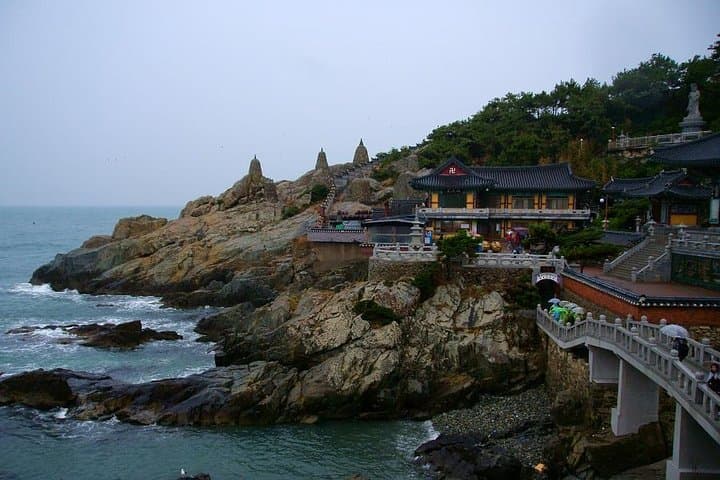
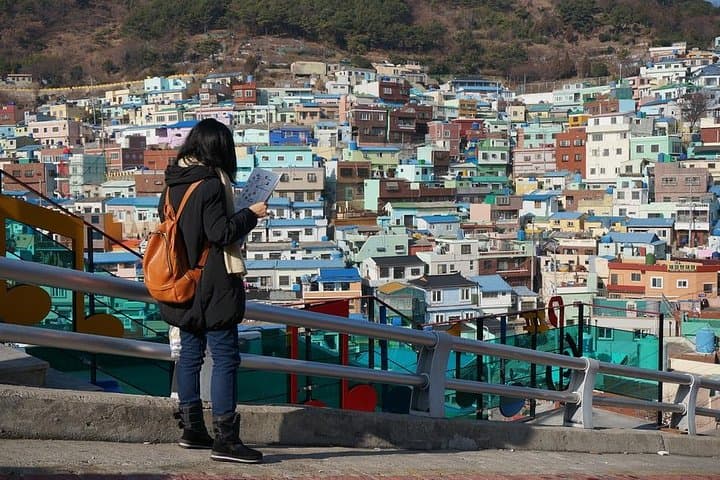
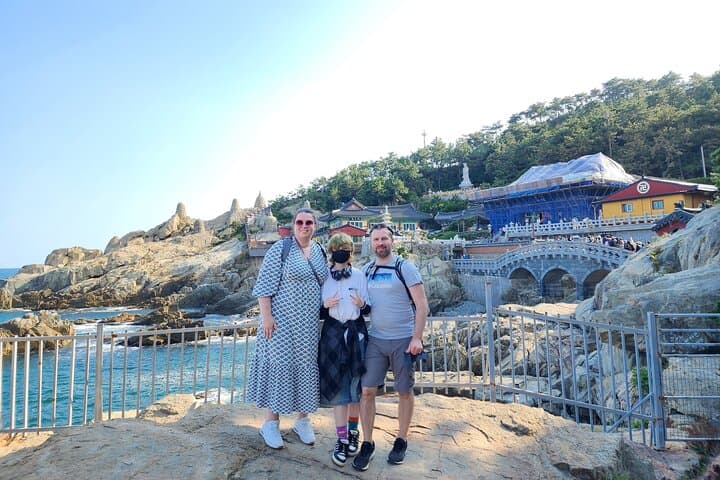
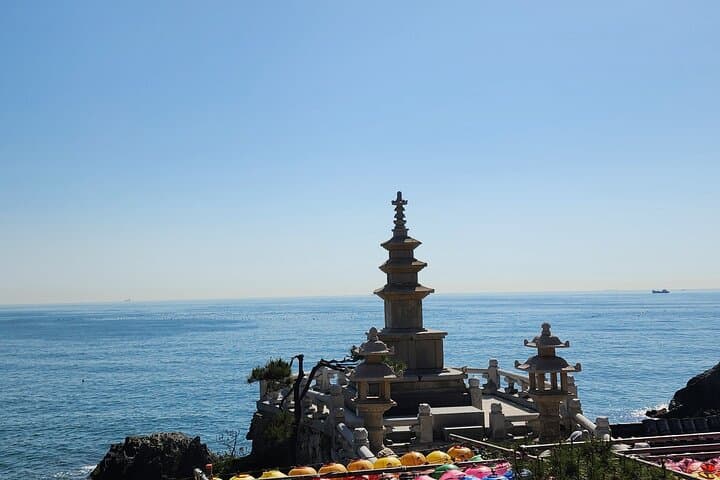
The first steps out of the station drop you into Busan’s rhythm: gulls wheel over the harbor, neon signs pulse above narrow alleys, and the sea keeps a steady, daring presence at the edge of the city. A Lokafyer meets you and the walk becomes conversational—less scripted guidebook, more neighborhood confidant. You feel the city as layers: port infrastructure and salty air, layers of modern architecture, and backstreet markets where knives are sharpened and kimchi is piled high.
The first steps out of the station drop you into Busan’s rhythm: gulls wheel over the harbor, neon signs pulse above narrow alleys, and the sea keeps a steady, daring presence at the edge of the city. A Lokafyer meets you and the walk becomes conversational—less scripted guidebook, more neighborhood confidant. You feel the city as layers: port infrastructure and salty air, layers of modern architecture, and backstreet markets where knives are sharpened and kimchi is piled high.
Historically a major gateway between the Korean Peninsula and the wider world, Busan’s streets still hum with trade and migration stories—postwar growth, shipbuilding heritage, and the creative reclamation of old neighborhoods into artful alleys. Geologically, Busan’s coastal cliffs and harbor basins tell of tectonic uplift and marine currents that shaped its beaches and headlands. Culturally, expect an emphasis on seafood markets, local tea houses, and informal storytelling from your Lokafyer rather than academic lectures.
Practically, tours run from about 2 to 6 hours and are fully customized: pick food, history, art, or a mix. Plan on walking on varied surfaces—city sidewalks, market stalls, and occasional steps—so bring comfortable shoes, sun protection, and a transit card to hop between neighborhoods. Entrance fees for attractions are typically extra; public transit access is good and tours operate in most weather, so check start times and any mobility concerns in advance. The result is a compact, adaptable way to move through Busan with a local’s eye—fast-paced where the city is busy, intimate in the quiet streets.