THE ADVENTURE COLLECTIVE® · Independent discovery and booking for outdoor travel

A private shore excursion that stitches Busan’s ocean temples, beaches, markets, and memorials into one flexible day. Expect coastal views, bustling seafood alleys, short urban hikes, and practical tips to keep you on schedule with your cruise.
A private shore excursion that stitches Busan’s ocean temples, beaches, markets, and memorials into one flexible day. Expect coastal views, bustling seafood alleys, short urban hikes, and practical tips to keep you on schedule with your cruise.
Morning light slices across Busan’s harbor as your ship eases into port and the city wakes—salt air pushing at the windows, gulls staking claims on the wake. On a private one-day shore excursion, the coastline leads the narrative: a seaside temple clinging to volcanic rock, a pine-scented road that frames the ocean, and a market where the day’s catch still glitters.
Verified experiences and guided adventures in the surrounding area.
Operated by Frank Yi · Busan, Busan
Morning light slices across Busan’s harbor as your ship eases into port and the city wakes—salt air pushing at the windows, gulls staking claims on the wake. On a private one-day shore excursion, the coastline leads the narrative: a seaside temple clinging to volcanic rock, a pine-scented road that frames the ocean, and a market where the day’s catch still glitters.
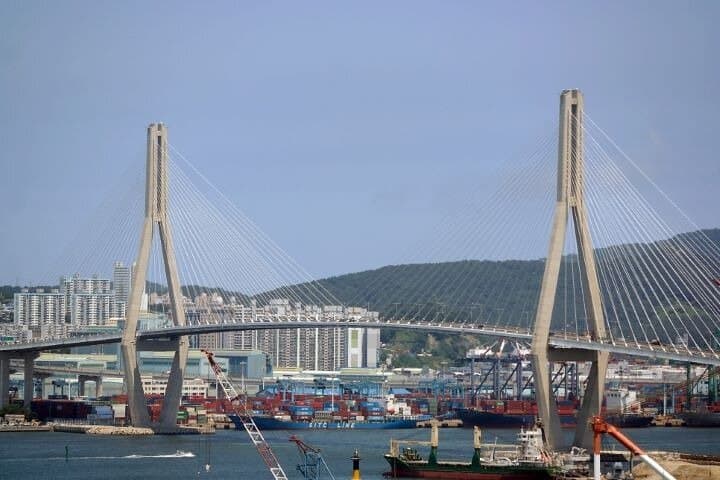
Haedong Yonggungsa, built on jagged promontories, feels like the coast itself decided to pray; Dalmaji-gil offers wind-swept viewpoints framed by camellias and pines; Haeundae and Dongbaekseom serve both people-watching and quiet paths past Nurimaru APEC House. Southward, Gwangan Bridge arcs like a steel wave over Marine City, while the UN Memorial Cemetery lays quiet testimony to the Korean War’s global reach. Gamcheon Culture Village staggers up the slope in painted stairways, and Jagalchi’s fish stalls hum with trade and brine.
Busan grew as a trading and wartime refuge—Gukje Market still bears that legacy in its cramped alleys and bargaining culture. Geology here is coastal granite and volcanic outcrops, tides shaping temples and beaches alike; the sea often seems to pull visitors forward.
Practical edge: this is a flexible, vehicle-led itinerary (6–8 hours). Expect several short walks, stairways in Gamcheon, and market surfaces that can be wet or uneven. Bring steady walking shoes, sun protection, and a small daypack for purchases. Communicate ship name and reboarding times at booking—traffic and port procedures govern the day more than you might think. Plan lunch at a market or seaside restaurant and leave room for quick photo stops—the light along Dalmaji and Dongbaekseom changes fast.
easy.
6–8 hours.
Suitable for most travelers who can manage several short walks and a few stairways; minimal sustained exertion.
Yes—suppliers require ship name and exact disembark/reboard times to coordinate pickup and ensure timely return to the cruise terminal.
The transportation and many sites listed are accessible, but some attractions like Gamcheon and temple stairways have steps—check specific stop accessibility before booking.
Expect multiple short walks (10–40 minutes) at each stop; there’s no sustained hiking but there are stairs and uneven surfaces in markets and village alleys.
Yes—Jagalchi offers fresh seafood stalls and small restaurants where you can buy and eat local dishes; inform dietary needs at booking if you have restrictions.
Busan’s modern character grew from two things: a busy trading port and a wartime refuge during the Korean War—Gukje Market dates to refugee-founded stalls that became the city’s commercial heart.
Choose sustainable seafood at markets when possible, carry out any trash, and stick to marked paths at coastal temples and Dongbaekseom to protect fragile shore habitats.
Frank Yi operates guided outdoor trips and adventures with an emphasis on safety, stewardship, and memorable experiences.
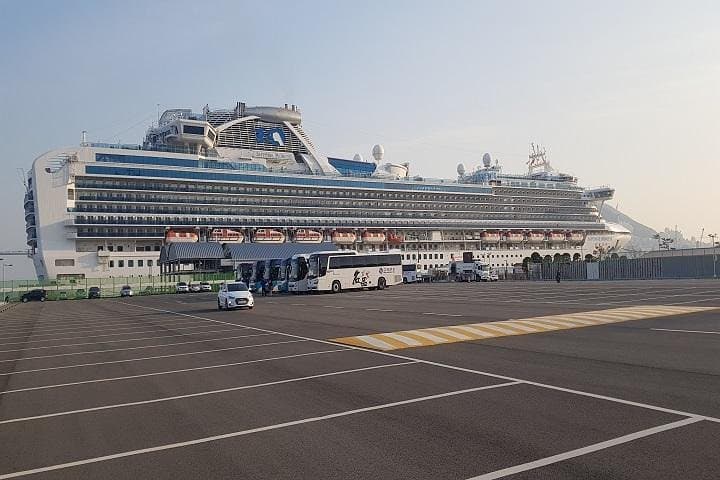
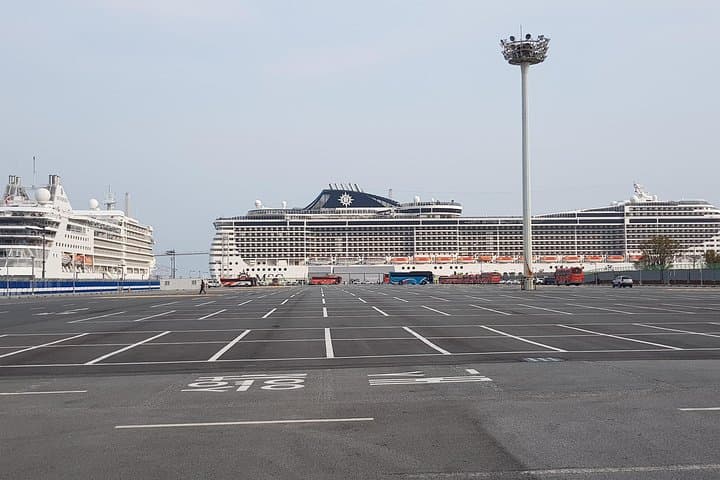
Morning light slices across Busan’s harbor as your ship eases into port and the city wakes—salt air pushing at the windows, gulls staking claims on the wake. On a private one-day shore excursion, the coastline leads the narrative: a seaside temple clinging to volcanic rock, a pine-scented road that frames the ocean, and a market where the day’s catch still glitters.
Morning light slices across Busan’s harbor as your ship eases into port and the city wakes—salt air pushing at the windows, gulls staking claims on the wake. On a private one-day shore excursion, the coastline leads the narrative: a seaside temple clinging to volcanic rock, a pine-scented road that frames the ocean, and a market where the day’s catch still glitters.
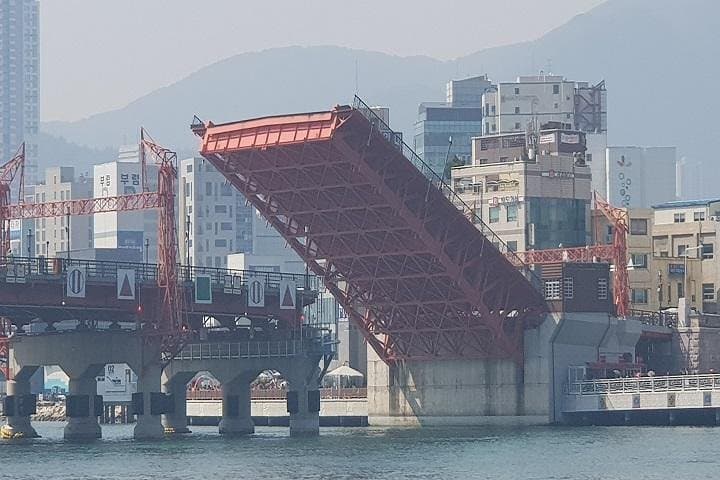
Haedong Yonggungsa, built on jagged promontories, feels like the coast itself decided to pray; Dalmaji-gil offers wind-swept viewpoints framed by camellias and pines; Haeundae and Dongbaekseom serve both people-watching and quiet paths past Nurimaru APEC House. Southward, Gwangan Bridge arcs like a steel wave over Marine City, while the UN Memorial Cemetery lays quiet testimony to the Korean War’s global reach. Gamcheon Culture Village staggers up the slope in painted stairways, and Jagalchi’s fish stalls hum with trade and brine.
Busan grew as a trading and wartime refuge—Gukje Market still bears that legacy in its cramped alleys and bargaining culture. Geology here is coastal granite and volcanic outcrops, tides shaping temples and beaches alike; the sea often seems to pull visitors forward.
Practical edge: this is a flexible, vehicle-led itinerary (6–8 hours). Expect several short walks, stairways in Gamcheon, and market surfaces that can be wet or uneven. Bring steady walking shoes, sun protection, and a small daypack for purchases. Communicate ship name and reboarding times at booking—traffic and port procedures govern the day more than you might think. Plan lunch at a market or seaside restaurant and leave room for quick photo stops—the light along Dalmaji and Dongbaekseom changes fast.