THE ADVENTURE COLLECTIVE® · Independent discovery and booking for outdoor travel

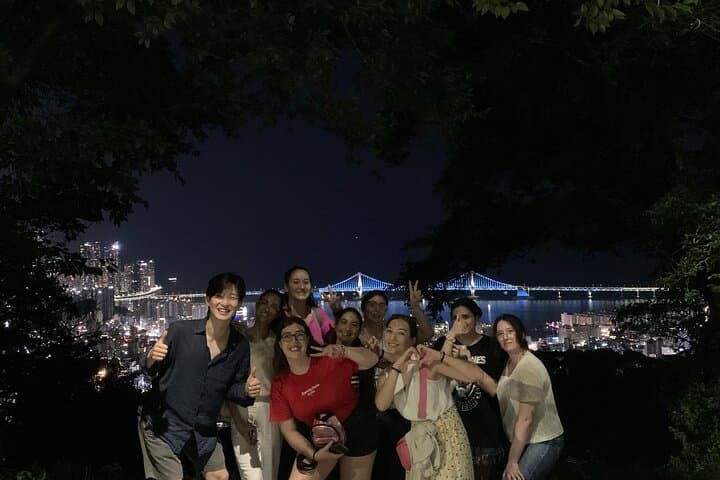
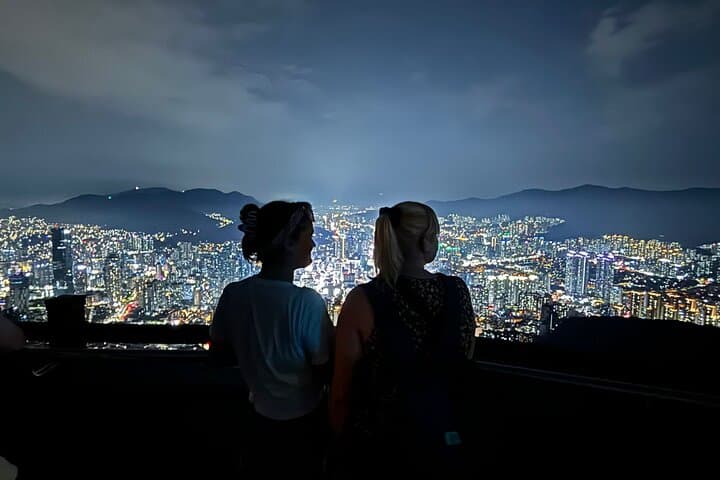
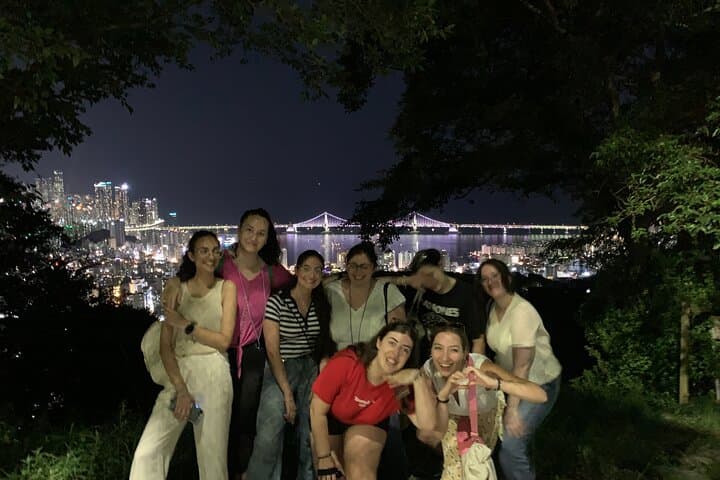
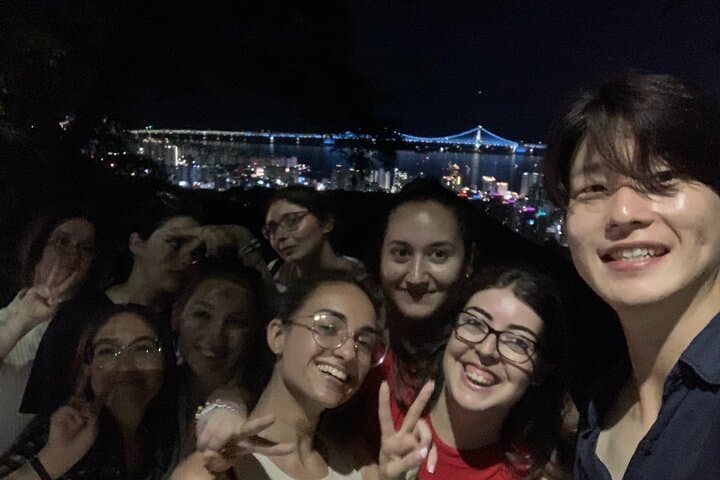
Catch Busan’s shoreline and city lights from Hwangnyeongsan on this guided small-group night hike. A compact climb with panoramic viewpoints makes it ideal for photographers and anyone wanting a memorable evening above the city.
Catch Busan’s shoreline and city lights from Hwangnyeongsan on this guided small-group night hike. A compact climb with panoramic viewpoints makes it ideal for photographers and anyone wanting a memorable evening above the city.
The city spills out beneath you as you climb — neon streets folding into the harbor, the ocean like a dark sheet punctuated by ship lights. On Hwangnyeongsan (elevation 427 m) the path narrows and the urban hum softens; the ridge seems to hold the city at arm’s length so the lights can shine.
Verified experiences and guided adventures in the surrounding area.
Operated by Local Life Experience: Korean Hug You · Busan, Busan
The city spills out beneath you as you climb — neon streets folding into the harbor, the ocean like a dark sheet punctuated by ship lights. On Hwangnyeongsan (elevation 427 m) the path narrows and the urban hum softens; the ridge seems to hold the city at arm’s length so the lights can shine.
Geology here is blunt and honest: low granite ridgelines and worn steps carved into a forest of pines and maple. Hwangnyeongsan sits on Busan’s central ridgeline and has long been a local vantage, now crowned by broadcast towers and a handful of observation platforms. Cultural notes arrive in small things — the snack stalls at trailheads and the locals who know exact spots for a framing of Gwangalli Bridge and the port at night.
Practically, expect a compact night hike — plan on about 4 km round‑trip with roughly 300–400 m of elevation gain depending on your start point, mostly on packed dirt, stone steps and some paved segments near the summit. The tour’s two-hour window is tuned to catch twilight and the first spread of city lights; guides often drive small groups to a nearby trailhead to shorten the approach.
Bring a headlamp, a windproof layer (temperature drops quickly after sunset), sturdy shoes and a charged camera battery. Hydrate before you leave and move steadily: there are no technical pitches but uneven footing and dusk can hide roots. Be mindful of local wildlife at night, stick to the group, and leave no trace so the views stay for the next night hiker.
easy.
2 hours.
Basic fitness—able to climb steady stairs and walk on uneven ground for up to 2 hours.
The guided experience runs about two hours total; the hike itself is short (roughly 4 km round-trip) with 300–400 m of ascent and is suitable for most fitness levels.
Yes — the tour includes air-conditioned vehicle transport to a nearby trailhead to shorten the approach; check pickup details when you book.
The route is rated easy but includes uneven steps and stretches in the dark; not recommended for those with significant leg problems or mobility issues.
Layered clothing, a windproof outer layer, closed-toe shoes with good traction, and a headlamp are recommended; summer hikers should also bring insect repellent.
Hwangnyeongsan has long functioned as a local observation ridge; in modern times its summit hosts broadcasting installations that punctuate the skyline.
Stick to marked trails and carry out all trash—night visits can disturb wildlife, so minimize noise and avoid flashlight use that sweeps the tree line.
Local Life Experience: Korean Hug You operates guided outdoor trips and adventures with an emphasis on safety, stewardship, and memorable experiences.
The city spills out beneath you as you climb — neon streets folding into the harbor, the ocean like a dark sheet punctuated by ship lights. On Hwangnyeongsan (elevation 427 m) the path narrows and the urban hum softens; the ridge seems to hold the city at arm’s length so the lights can shine.
The city spills out beneath you as you climb — neon streets folding into the harbor, the ocean like a dark sheet punctuated by ship lights. On Hwangnyeongsan (elevation 427 m) the path narrows and the urban hum softens; the ridge seems to hold the city at arm’s length so the lights can shine.
Geology here is blunt and honest: low granite ridgelines and worn steps carved into a forest of pines and maple. Hwangnyeongsan sits on Busan’s central ridgeline and has long been a local vantage, now crowned by broadcast towers and a handful of observation platforms. Cultural notes arrive in small things — the snack stalls at trailheads and the locals who know exact spots for a framing of Gwangalli Bridge and the port at night.
Practically, expect a compact night hike — plan on about 4 km round‑trip with roughly 300–400 m of elevation gain depending on your start point, mostly on packed dirt, stone steps and some paved segments near the summit. The tour’s two-hour window is tuned to catch twilight and the first spread of city lights; guides often drive small groups to a nearby trailhead to shorten the approach.
Bring a headlamp, a windproof layer (temperature drops quickly after sunset), sturdy shoes and a charged camera battery. Hydrate before you leave and move steadily: there are no technical pitches but uneven footing and dusk can hide roots. Be mindful of local wildlife at night, stick to the group, and leave no trace so the views stay for the next night hiker.