THE ADVENTURE COLLECTIVE® · Independent discovery and booking for outdoor travel

Walk Jagalchi Market after dark, taste late-night street food, and view Busan Harbor from a local observatory. This 3–4 hour evening tour blends seafood culture, harbor history, and lively alleyways for an authentic night in Busan.
Walk Jagalchi Market after dark, taste late-night street food, and view Busan Harbor from a local observatory. This 3–4 hour evening tour blends seafood culture, harbor history, and lively alleyways for an authentic night in Busan.
The late-evening air in Busan tastes of salt and frying oil as neon signs flick on and alleys fill with steam and chatter.
A small group meets at a subway stop and threads into narrow lanes above the harbor, passing decades-old homes whose balconies angle toward the water. Lights from moored trawlers slice the sea; gulls wheel, daring you to keep pace.
Verified experiences and guided adventures in the surrounding area.
Operated by Dorawayo experience activity · Busan, Busan
The late-evening air in Busan tastes of salt and frying oil as neon signs flick on and alleys fill with steam and chatter.
A small group meets at a subway stop and threads into narrow lanes above the harbor, passing decades-old homes whose balconies angle toward the water. Lights from moored trawlers slice the sea; gulls wheel, daring you to keep pace.
This walk centers on Jagalchi, South Korea’s largest seafood market with roots in the post-war boom when fishermen lined the docks and the city rebuilt around the port. Geologically, Busan’s harbor is carved from granite headlands and shallow bays, creating pockets of sheltered water that made the city a natural fishing hub. The market remains a working place—auctions begin late at night, with crews sorting fresh catches and an auctioneer moving the sale along in rapid Korean.
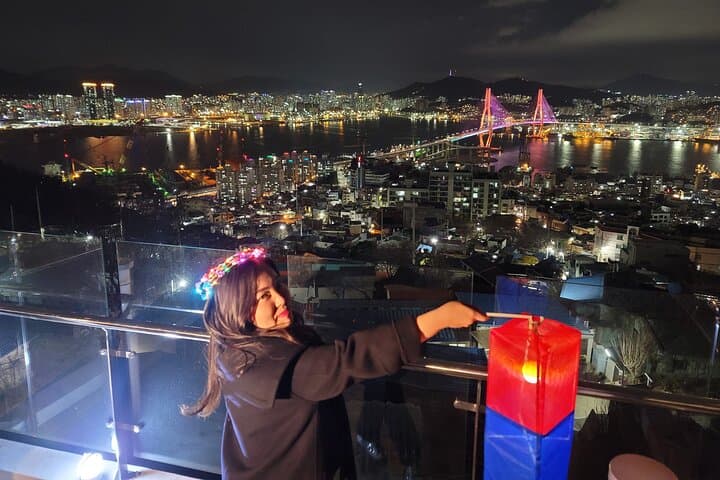
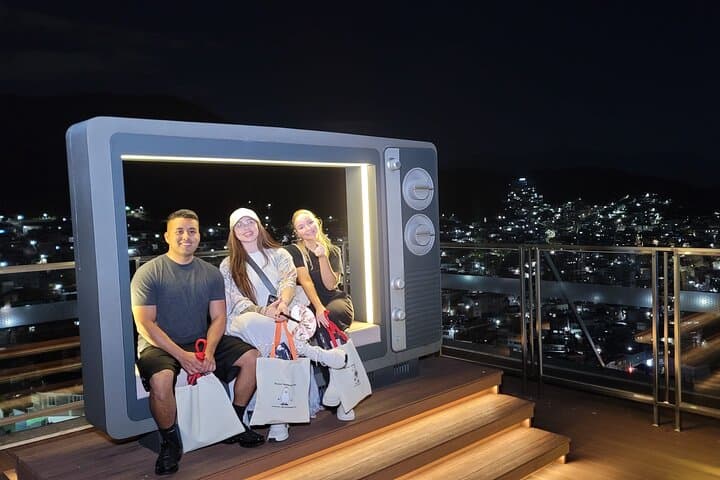
Culturally the tour mixes food and local life: sample late-night snacks at vendor stalls, watch the evening auction (photo-only, no video without permission), then ride a short bus to a neighborhood observatory known to residents. The right-side bus seat gives the best stretch of port lights; from the overlook, container cranes and city glow form a working coastline portrait.
Practical notes: wear non-slip shoes and a light jacket, carry small bills, and expect a moderate amount of walking on uneven pavements and steps. Bring a reusable bottle and stay aware of market rules—respect workers at the auction and avoid obstructing aisles. The route is ideal for travelers who want a mix of urban culture, hands-on food experiences, and a local vantage on Busan’s harbor at night.
moderate.
3–4 hours.
Participants should have moderate fitness: repeated short climbs, stairs, and standing for auction viewing.
No—street food and market purchases are pay-as-you-go, though bottled water is typically provided as noted in the tour inclusions.
You can observe and take simple photos, but video recording is generally prohibited and visitors should not interfere with workers or buyers.
The tour lasts about 3–4 hours; there are late-night buses from Jagalchi to Haeundae or Seomyeon until around 1:00 a.m., so returning independently is possible.
The route involves stairs and uneven surfaces and is not recommended for travelers with serious spinal, cardiovascular conditions, or those who are pregnant; moderate fitness is expected.
Jagalchi grew into Busan’s central fish market after the Korean War and today remains a living hub of the city’s fishing economy, reflecting decades of maritime trade and local cuisine.
Buy seafood responsibly—ask vendors about origin and avoid protected species; reduce single-use plastics by carrying a refillable bottle and reusable bag.
Dorawayo experience activity operates guided outdoor trips and adventures with an emphasis on safety, stewardship, and memorable experiences.
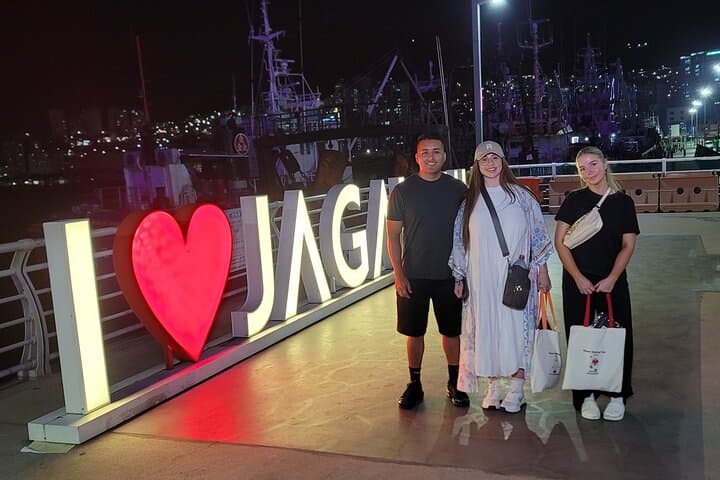
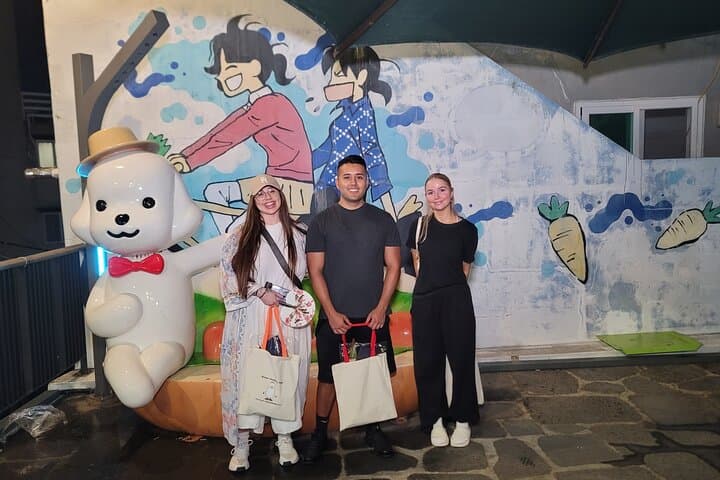
The late-evening air in Busan tastes of salt and frying oil as neon signs flick on and alleys fill with steam and chatter.
A small group meets at a subway stop and threads into narrow lanes above the harbor, passing decades-old homes whose balconies angle toward the water. Lights from moored trawlers slice the sea; gulls wheel, daring you to keep pace.
The late-evening air in Busan tastes of salt and frying oil as neon signs flick on and alleys fill with steam and chatter.
A small group meets at a subway stop and threads into narrow lanes above the harbor, passing decades-old homes whose balconies angle toward the water. Lights from moored trawlers slice the sea; gulls wheel, daring you to keep pace.
This walk centers on Jagalchi, South Korea’s largest seafood market with roots in the post-war boom when fishermen lined the docks and the city rebuilt around the port. Geologically, Busan’s harbor is carved from granite headlands and shallow bays, creating pockets of sheltered water that made the city a natural fishing hub. The market remains a working place—auctions begin late at night, with crews sorting fresh catches and an auctioneer moving the sale along in rapid Korean.
Culturally the tour mixes food and local life: sample late-night snacks at vendor stalls, watch the evening auction (photo-only, no video without permission), then ride a short bus to a neighborhood observatory known to residents. The right-side bus seat gives the best stretch of port lights; from the overlook, container cranes and city glow form a working coastline portrait.
Practical notes: wear non-slip shoes and a light jacket, carry small bills, and expect a moderate amount of walking on uneven pavements and steps. Bring a reusable bottle and stay aware of market rules—respect workers at the auction and avoid obstructing aisles. The route is ideal for travelers who want a mix of urban culture, hands-on food experiences, and a local vantage on Busan’s harbor at night.