THE ADVENTURE COLLECTIVE® · Independent discovery and booking for outdoor travel

A single, guide-led day that stitches Busan’s coastal temples, converted railways, colorful hillside village, and the UN Cemetery into a coherent portrait of the city. Expect nine hours of walking, history, and shoreline views.
A single, guide-led day that stitches Busan’s coastal temples, converted railways, colorful hillside village, and the UN Cemetery into a coherent portrait of the city. Expect nine hours of walking, history, and shoreline views.
Morning light hits the basalt cliffs as the ocean pushes forward beneath Haedong Yonggungsa, and the temple’s red pavilions stand like an invitation to the sea. On this full-day loop through Busan, travelers move from coastal observatories and converted railways to a hillside of painted alleys and a solemn international cemetery, each stop revealing a different face of Korea’s second city.
Verified experiences and guided adventures in the surrounding area.
Operated by 러브코리아(LOVE KOREA) · Busan, Busan
Morning light hits the basalt cliffs as the ocean pushes forward beneath Haedong Yonggungsa, and the temple’s red pavilions stand like an invitation to the sea. On this full-day loop through Busan, travelers move from coastal observatories and converted railways to a hillside of painted alleys and a solemn international cemetery, each stop revealing a different face of Korea’s second city.
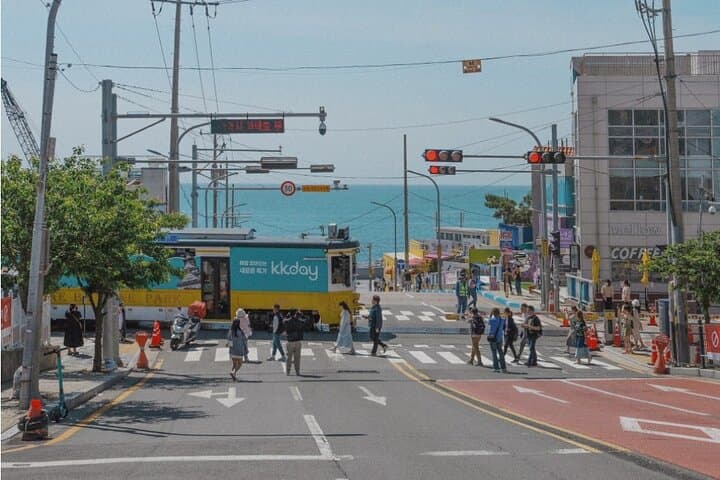
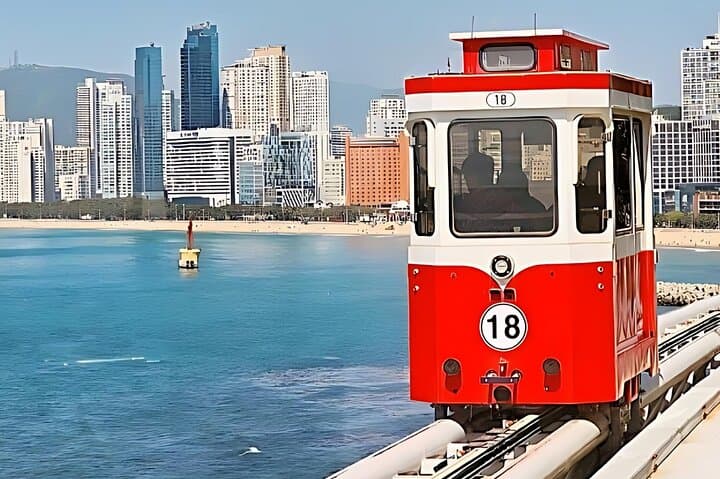
Busan’s identity grew from its geography: a naturally deep harbor cut into granite and sandstone, shaped by currents that made it a trading gateway and strategic port. The United Nations Memorial Cemetery recalls the city’s role in the Korean War; Gamcheon Culture Village traces post-war refugee settlements reinvented by local artists. The Green Railway’s Cheongsapo observatory repurposes abandoned tracks to frame long views of rocky islets and working fishing villages where seaweed and sunrise are local currencies.
Expect a paced, guide-led day of walking and short transfers—roughly nine hours on the road with admission to listed attractions included and no shopping stops. Practical notes: wear sturdy walking shoes for temple steps and mosaic lanes, bring layered clothing for coastal wind and sudden sun, and carry cash for market snacks. The local guide will contact guests via WhatsApp (provide an international phone number at booking) to confirm logistics.
This tour balances storytelling with movement—history explained at monuments, geology visible along the coast, and living culture in marketplaces—so travelers leave with a clear sense of Busan’s people and place rather than a checklist of photos.
easy.
9–10 hours.
Suitable for most fitness levels; expect several short walks and stairs but no sustained hiking.
Yes; the tour includes admission to the attractions listed in the itinerary.
The tour runs about 545 minutes (roughly 9 hours) with multiple short walks and stairs at each site; it’s classified as easy for fitness.
You must provide an international phone number; guides commonly contact guests via WhatsApp to confirm meeting points and times.
Full refunds are available if you cancel at least 24 hours before departure; the tour may be canceled for bad weather or insufficient travelers.
Busan’s modern growth accelerated after the Korean War when refugees and faith groups established hillside communities; the UN Memorial Cemetery commemorates multinational forces who served in the conflict.
Coastal erosion and visitor pressure are managed through site access and interpretation; stick to marked paths and avoid disturbing intertidal habitats.
러브코리아(LOVE KOREA) operates guided outdoor trips and adventures with an emphasis on safety, stewardship, and memorable experiences.
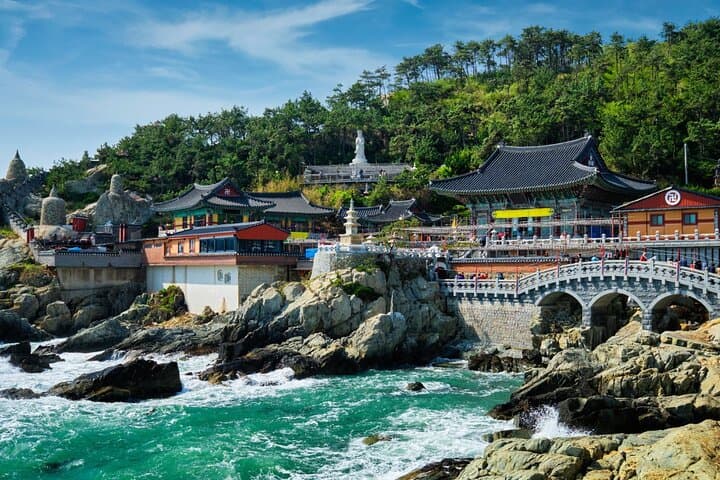
Morning light hits the basalt cliffs as the ocean pushes forward beneath Haedong Yonggungsa, and the temple’s red pavilions stand like an invitation to the sea. On this full-day loop through Busan, travelers move from coastal observatories and converted railways to a hillside of painted alleys and a solemn international cemetery, each stop revealing a different face of Korea’s second city.
Morning light hits the basalt cliffs as the ocean pushes forward beneath Haedong Yonggungsa, and the temple’s red pavilions stand like an invitation to the sea. On this full-day loop through Busan, travelers move from coastal observatories and converted railways to a hillside of painted alleys and a solemn international cemetery, each stop revealing a different face of Korea’s second city.
Busan’s identity grew from its geography: a naturally deep harbor cut into granite and sandstone, shaped by currents that made it a trading gateway and strategic port. The United Nations Memorial Cemetery recalls the city’s role in the Korean War; Gamcheon Culture Village traces post-war refugee settlements reinvented by local artists. The Green Railway’s Cheongsapo observatory repurposes abandoned tracks to frame long views of rocky islets and working fishing villages where seaweed and sunrise are local currencies.
Expect a paced, guide-led day of walking and short transfers—roughly nine hours on the road with admission to listed attractions included and no shopping stops. Practical notes: wear sturdy walking shoes for temple steps and mosaic lanes, bring layered clothing for coastal wind and sudden sun, and carry cash for market snacks. The local guide will contact guests via WhatsApp (provide an international phone number at booking) to confirm logistics.
This tour balances storytelling with movement—history explained at monuments, geology visible along the coast, and living culture in marketplaces—so travelers leave with a clear sense of Busan’s people and place rather than a checklist of photos.