THE ADVENTURE COLLECTIVE® · Independent discovery and booking for outdoor travel

Use a cruise layover to see Busan without the rush: a private car tour customizes a 6–9 hour visit to seaside temples, cliff views, and the Jagalchi seafood market. Practical routing and a dedicated driver turn limited time into a coherent day in the city.
Use a cruise layover to see Busan without the rush: a private car tour customizes a 6–9 hour visit to seaside temples, cliff views, and the Jagalchi seafood market. Practical routing and a dedicated driver turn limited time into a coherent day in the city.
You step off the gangway into a salt-scented morning, the harbor cranes clanking behind you while the city hums a short walk away. A driver waits with a “Love Korea” sign; the car slips into traffic and Busan opens like a series of quick chapters — temple cliffs, neon beaches, and a seafood market that smells of the sea’s edge.
Verified experiences and guided adventures in the surrounding area.
Operated by 러브코리아(LOVE KOREA) · Busan, Busan
You step off the gangway into a salt-scented morning, the harbor cranes clanking behind you while the city hums a short walk away. A driver waits with a “Love Korea” sign; the car slips into traffic and Busan opens like a series of quick chapters — temple cliffs, neon beaches, and a seafood market that smells of the sea’s edge.
Busan’s shoreline tells its own history: Haedong Yonggungsa was founded in 1376 and remains one of Korea’s rare seaside temples, while Taejongdae’s cliffs are Cretaceous rock folded and scoured by the wind and waves. The port city’s culture is maritime and practical — markets like Jagalchi grew from postwar necessity into places where women vendors still trade fresh catch. Modern landmarks such as Gwangan Bridge and Busan Tower articulate the city’s rapid industrial growth beside its coastal geography.
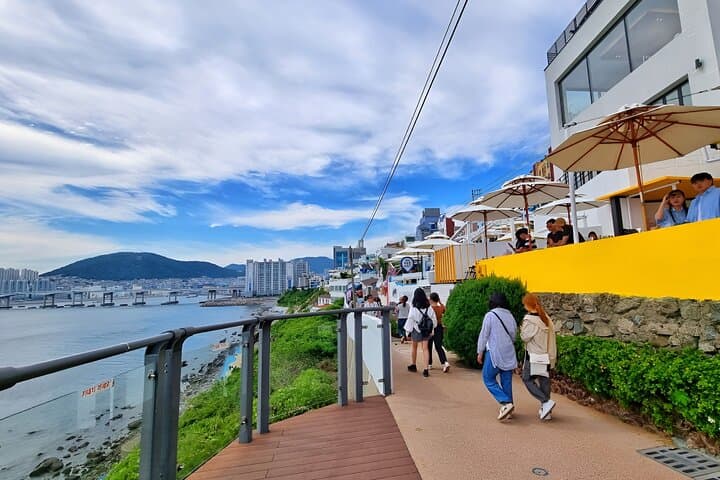
On a layover, a private car tour turns logistics into time: drivers adjust to your cruise schedule and trade wait times for seconds, letting you linger where it matters. Expect short walking sections — stone steps at Yonggungsa, boardwalks at Songdo Skywalk, and market alleys in Nampo-dong — and plan for 6–9 hours total depending on port clearances.
Practical notes: give your guide ship arrival/departure times, bring cash for street food and market stalls, and leave room for traffic when heading back to the terminal. With efficient routing, a single day can sample temple views, a seaside cliff, and the smell-and-sound of Korea’s largest seafood market.
easy.
6–9 hours.
Suitable for most fitness levels; expect multiple short walks and stairs but no sustained hiking.
The tour is customizable and typically runs 6–9 hours depending on your ship’s schedule and chosen stops.
Guides wait at the cruise terminal holding a “Love Korea” sign; provide your ship name and exact arrival time when booking.
Yes—this private car service is flexible, but additional time beyond nine hours may incur an extra fee (about 40,000 KRW).
Drivers handle port drop-off and timing; allow extra time for security and reboarding procedures at the terminal.
Busan developed as a maritime gateway after the Korean War and grew into a commercial port with markets like Jagalchi becoming cultural icons.
High visitor volumes can stress coastal trails and markets; stick to paths, dispose of waste responsibly, and support vendors who source sustainably.
러브코리아(LOVE KOREA) operates guided outdoor trips and adventures with an emphasis on safety, stewardship, and memorable experiences.
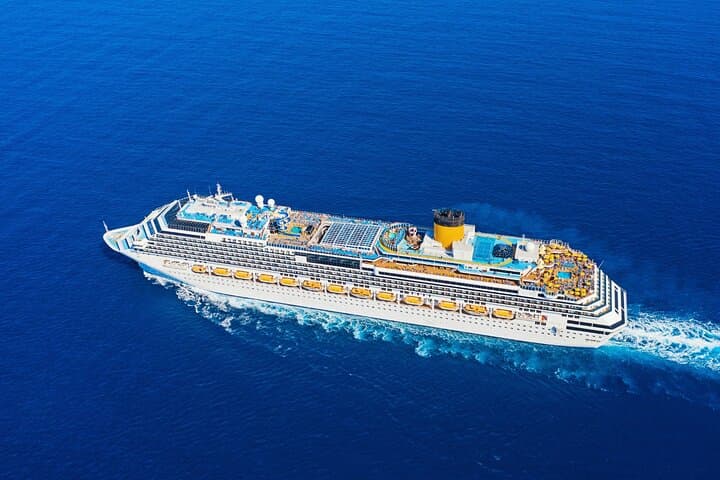
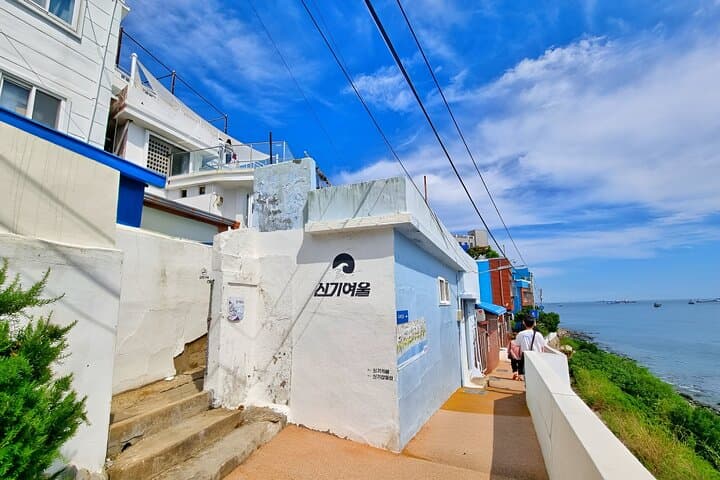
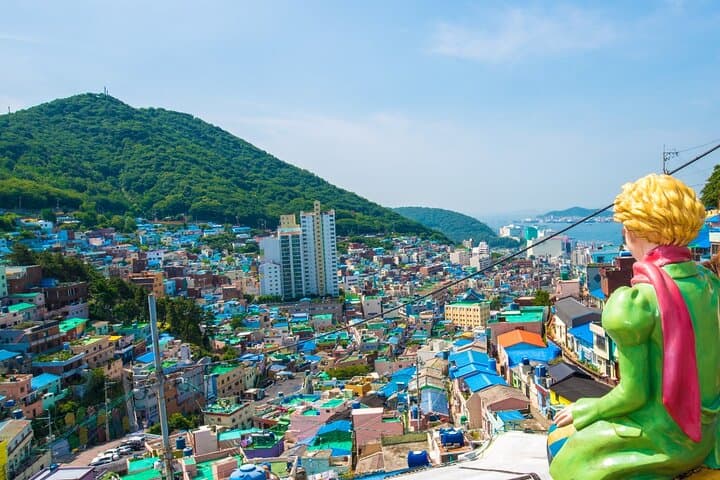
You step off the gangway into a salt-scented morning, the harbor cranes clanking behind you while the city hums a short walk away. A driver waits with a “Love Korea” sign; the car slips into traffic and Busan opens like a series of quick chapters — temple cliffs, neon beaches, and a seafood market that smells of the sea’s edge.
You step off the gangway into a salt-scented morning, the harbor cranes clanking behind you while the city hums a short walk away. A driver waits with a “Love Korea” sign; the car slips into traffic and Busan opens like a series of quick chapters — temple cliffs, neon beaches, and a seafood market that smells of the sea’s edge.
Busan’s shoreline tells its own history: Haedong Yonggungsa was founded in 1376 and remains one of Korea’s rare seaside temples, while Taejongdae’s cliffs are Cretaceous rock folded and scoured by the wind and waves. The port city’s culture is maritime and practical — markets like Jagalchi grew from postwar necessity into places where women vendors still trade fresh catch. Modern landmarks such as Gwangan Bridge and Busan Tower articulate the city’s rapid industrial growth beside its coastal geography.
On a layover, a private car tour turns logistics into time: drivers adjust to your cruise schedule and trade wait times for seconds, letting you linger where it matters. Expect short walking sections — stone steps at Yonggungsa, boardwalks at Songdo Skywalk, and market alleys in Nampo-dong — and plan for 6–9 hours total depending on port clearances.
Practical notes: give your guide ship arrival/departure times, bring cash for street food and market stalls, and leave room for traffic when heading back to the terminal. With efficient routing, a single day can sample temple views, a seaside cliff, and the smell-and-sound of Korea’s largest seafood market.