THE ADVENTURE COLLECTIVE® · Independent discovery and booking for outdoor travel

Spend a single day sampling Busan’s spring highlights: a seaside temple, flower fields, mural-lined alleys and beachfront views. This guided tour bundles transit, local insight and the best cherry blossom viewing spots into a convenient nine-hour circuit.
Spend a single day sampling Busan’s spring highlights: a seaside temple, flower fields, mural-lined alleys and beachfront views. This guided tour bundles transit, local insight and the best cherry blossom viewing spots into a convenient nine-hour circuit.
A cool sea breeze brushes your face as the minibus curls along Busan’s eastern shore, cherry petals brushing the road like confetti. The tour drops you at Haedong Yonggungsa first, where stone lanterns stand guard over crashing waves and the temple’s 108 steps demand a slow, deliberate ascent. From the coast the guide steers your attention inland to alleys painted in bright murals at Gamcheon, and later to fields that bloom yellow as far as the eye can see at Daejeo Ecological Park.
Verified experiences and guided adventures in the surrounding area.
Operated by 러브코리아(LOVE KOREA) · Busan, Busan
A cool sea breeze brushes your face as the minibus curls along Busan’s eastern shore, cherry petals brushing the road like confetti. The tour drops you at Haedong Yonggungsa first, where stone lanterns stand guard over crashing waves and the temple’s 108 steps demand a slow, deliberate ascent. From the coast the guide steers your attention inland to alleys painted in bright murals at Gamcheon, and later to fields that bloom yellow as far as the eye can see at Daejeo Ecological Park.
Busan’s coastline is younger geology than Korea’s central ranges — volcanic rock and marine terraces shaped by sea-level shifts — which gives the city its abrupt cliffs and long beaches. Gamcheon’s rebirth from a 1950s refugee village into an art district tells Busan’s postwar cultural story; Haedong Yonggungsa, originally built in 1376, ties modern visits to centuries of Buddhist practice. Locals treat cherry blossom season as communal time: cafés set up terraces, and walking paths become shared stages.
Practically, expect a 9-hour day with multiple short walks and several stair sections. Wear grippy shoes for temple steps and alley cobbles, carry a light rain layer (spring showers are common), and bring enough battery life for photos — the views fill frames fast. Pickup points include Busan Station, Seomyeon, Nampo and Haeundae, which makes logistics simple.
This mix of seaside temple, beach vistas, painted alleys and vast flower fields is a compact Busan primer: sensory, walkable and seasonally bold. Plan for crowds at peak bloom, and leave room in your schedule for a relaxed café stop in Gamcheon.
easy.
9 hours.
Suitable for most fitness levels; requires several short walks and stair climbs.
Admission to listed attractions is included where specified; some stops like certain temple areas may ask for donations or separate paid exhibits.
Tours include Chinese and English-speaking guides as noted in the itinerary.
Common meet-up locations are Busan Station, Seomyeon, Nampo and Haeundae with specific exit numbers provided on booking confirmation.
The tour may be canceled for bad weather; cancel at least 24 hours before departure for a full refund per the booking terms.
Haedong Yonggungsa dates back to 1376 and ties Busan’s coastal worship to long-standing Buddhist traditions; Gamcheon transformed from a postwar refugee settlement into a vibrant art district over recent decades.
Daejeo’s flower fields and Nakdong wetlands are ecologically sensitive—stay on marked paths, avoid picking flowers and follow local signage to minimize impact.
러브코리아(LOVE KOREA) operates guided outdoor trips and adventures with an emphasis on safety, stewardship, and memorable experiences.
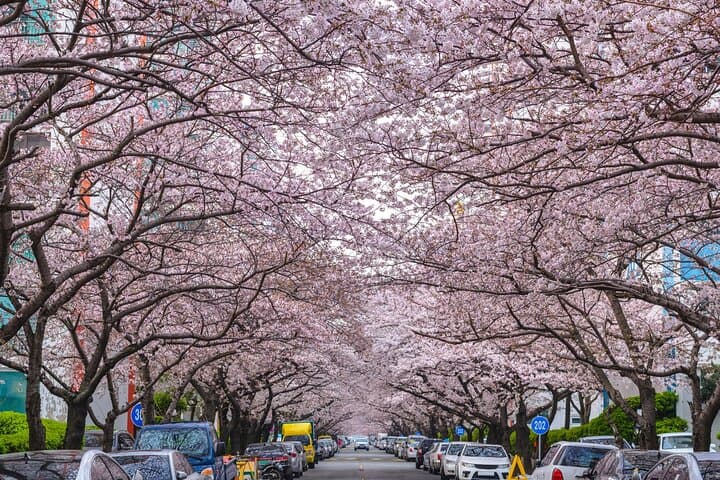
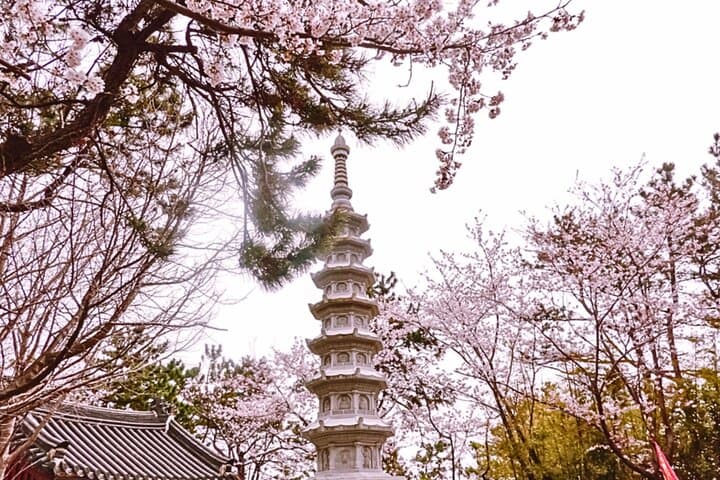
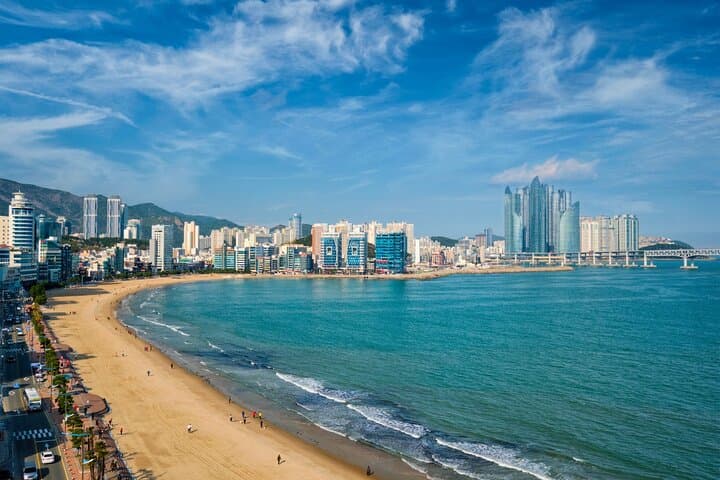
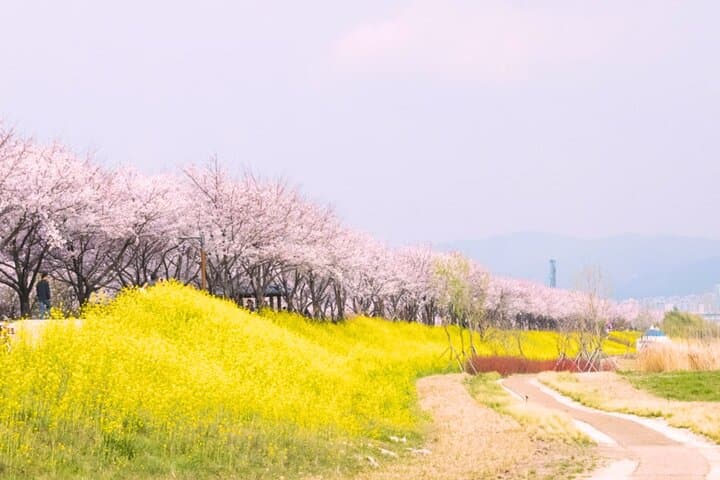
A cool sea breeze brushes your face as the minibus curls along Busan’s eastern shore, cherry petals brushing the road like confetti. The tour drops you at Haedong Yonggungsa first, where stone lanterns stand guard over crashing waves and the temple’s 108 steps demand a slow, deliberate ascent. From the coast the guide steers your attention inland to alleys painted in bright murals at Gamcheon, and later to fields that bloom yellow as far as the eye can see at Daejeo Ecological Park.
A cool sea breeze brushes your face as the minibus curls along Busan’s eastern shore, cherry petals brushing the road like confetti. The tour drops you at Haedong Yonggungsa first, where stone lanterns stand guard over crashing waves and the temple’s 108 steps demand a slow, deliberate ascent. From the coast the guide steers your attention inland to alleys painted in bright murals at Gamcheon, and later to fields that bloom yellow as far as the eye can see at Daejeo Ecological Park.
Busan’s coastline is younger geology than Korea’s central ranges — volcanic rock and marine terraces shaped by sea-level shifts — which gives the city its abrupt cliffs and long beaches. Gamcheon’s rebirth from a 1950s refugee village into an art district tells Busan’s postwar cultural story; Haedong Yonggungsa, originally built in 1376, ties modern visits to centuries of Buddhist practice. Locals treat cherry blossom season as communal time: cafés set up terraces, and walking paths become shared stages.
Practically, expect a 9-hour day with multiple short walks and several stair sections. Wear grippy shoes for temple steps and alley cobbles, carry a light rain layer (spring showers are common), and bring enough battery life for photos — the views fill frames fast. Pickup points include Busan Station, Seomyeon, Nampo and Haeundae, which makes logistics simple.
This mix of seaside temple, beach vistas, painted alleys and vast flower fields is a compact Busan primer: sensory, walkable and seasonally bold. Plan for crowds at peak bloom, and leave room in your schedule for a relaxed café stop in Gamcheon.