THE ADVENTURE COLLECTIVE® · Independent discovery and booking for outdoor travel

Cross the Sea of Marmara for a full day that pairs Ottoman history in Bursa with a 9 km cable‑car ascent to Uludağ’s forested slopes. Expect market strolls, a mountain lunch and panoramic photos atop Turkey’s famous massif.
Cross the Sea of Marmara for a full day that pairs Ottoman history in Bursa with a 9 km cable‑car ascent to Uludağ’s forested slopes. Expect market strolls, a mountain lunch and panoramic photos atop Turkey’s famous massif.
A morning in Istanbul gives way to open water and a ferry’s spray as the tour threads across the Sea of Marmara toward Bursa. By midmorning the covered bazaar’s low arches hum with traders and the domes of Ulu Camii puncture the sky; later the cable car lifts visitors above oak and fir, the city shrinking into a patchwork below and the forest seeming to breathe around the cable line.
Verified experiences and guided adventures in the surrounding area.
Operated by Turkey Tours · Bursa, Bursa Province
A morning in Istanbul gives way to open water and a ferry’s spray as the tour threads across the Sea of Marmara toward Bursa. By midmorning the covered bazaar’s low arches hum with traders and the domes of Ulu Camii puncture the sky; later the cable car lifts visitors above oak and fir, the city shrinking into a patchwork below and the forest seeming to breathe around the cable line.
Bursa was the early Ottoman capital and the Green Mosque complex illustrates 15th‑century imperial patronage in glazed Iznik tiles. Geologically Uludağ is a massif of limestone and metamorphic rock rising to about 2,543 m, its slopes hosting mixed broadleaf and conifer forests that support diverse birdlife and, in winter, a robust ski culture. Local culture balances urban market trades with mountain leisure—mountain lodges, kebab houses and a long tradition of thermal baths in nearby Yalova.
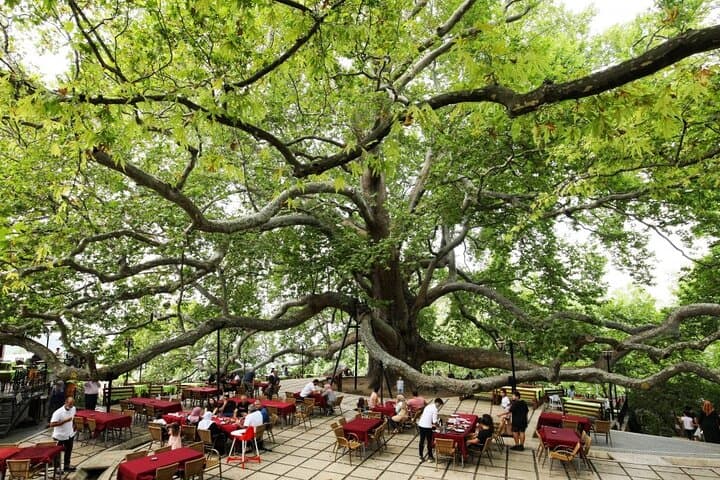
Practical guidance: the full day runs about 12–13 hours with hotel pickup from Istanbul; the key moves are ferry, city walking, a 15‑minute teleferik ride and a final bus climb to high meadows. Temperatures drop quickly with elevation—bring layers, sun protection and a camera with spare battery. Mobility is generally easy: paths in the bazaar and village are paved, while mountain stops involve short walks and steps. If you’re sensitive to altitude or cold, plan for shorter exposure at the summit and stay hydrated. Expect a structured itinerary with a guided lunch on the slopes and opportunities to photograph the 600‑year‑old plane tree and sweeping views of Bursa below.
easy.
12–13 hours.
Basic mobility and stamina for a long day of transfers, short walks and steps; suitable for most fitness levels.
The tour lasts about 12–13 hours (approximately 750 minutes) and includes hotel pickup in Istanbul—confirm your pickup point when booking.
The teleferik operates regularly but can close for severe weather or maintenance; operators will notify travelers and provide alternatives where possible.
Lunch on the mountain and transportation are included; specific attraction admissions noted as included in the itinerary will be covered—verify any optional extras on booking.
The tour is described as physically easy with wheelchair‑accessible transport, but some sites have steps; contact the operator ahead to confirm accessibility for specific needs.
Bursa served as the first major Ottoman capital; its covered bazaar was an early commercial hub and the Green Mosque complex displays 15th‑century Iznik tilework.
Uludağ’s forests are important for regional biodiversity; visitors should stick to trails, avoid picking plants, and minimize waste to protect fragile alpine meadows.
Turkey Tours operates guided outdoor trips and adventures with an emphasis on safety, stewardship, and memorable experiences.
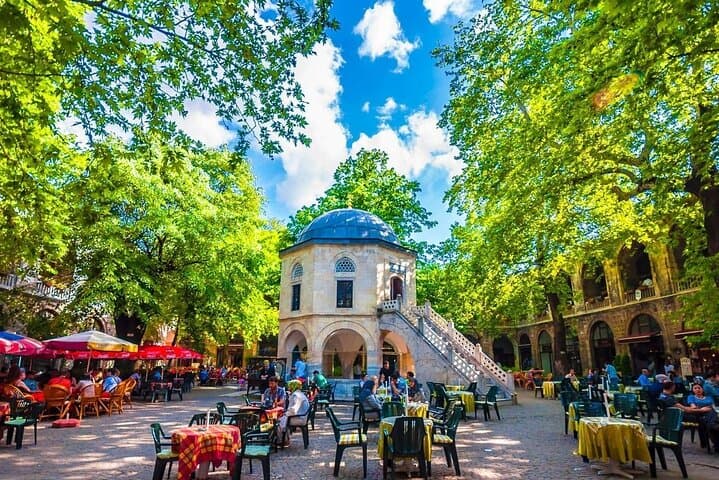
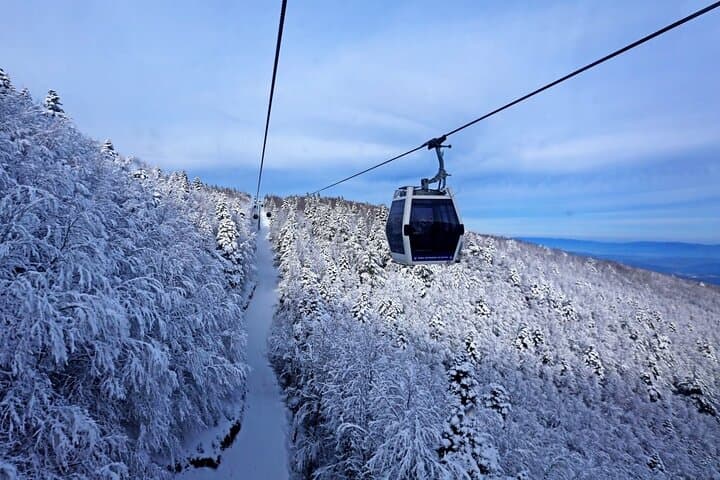
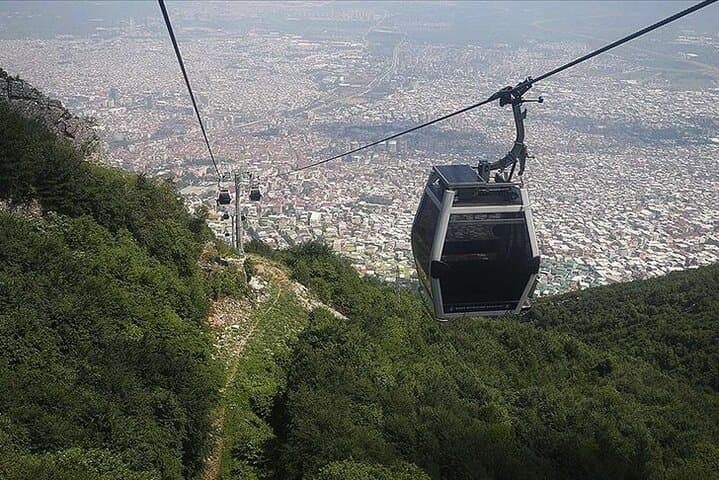
A morning in Istanbul gives way to open water and a ferry’s spray as the tour threads across the Sea of Marmara toward Bursa. By midmorning the covered bazaar’s low arches hum with traders and the domes of Ulu Camii puncture the sky; later the cable car lifts visitors above oak and fir, the city shrinking into a patchwork below and the forest seeming to breathe around the cable line.
A morning in Istanbul gives way to open water and a ferry’s spray as the tour threads across the Sea of Marmara toward Bursa. By midmorning the covered bazaar’s low arches hum with traders and the domes of Ulu Camii puncture the sky; later the cable car lifts visitors above oak and fir, the city shrinking into a patchwork below and the forest seeming to breathe around the cable line.
Bursa was the early Ottoman capital and the Green Mosque complex illustrates 15th‑century imperial patronage in glazed Iznik tiles. Geologically Uludağ is a massif of limestone and metamorphic rock rising to about 2,543 m, its slopes hosting mixed broadleaf and conifer forests that support diverse birdlife and, in winter, a robust ski culture. Local culture balances urban market trades with mountain leisure—mountain lodges, kebab houses and a long tradition of thermal baths in nearby Yalova.
Practical guidance: the full day runs about 12–13 hours with hotel pickup from Istanbul; the key moves are ferry, city walking, a 15‑minute teleferik ride and a final bus climb to high meadows. Temperatures drop quickly with elevation—bring layers, sun protection and a camera with spare battery. Mobility is generally easy: paths in the bazaar and village are paved, while mountain stops involve short walks and steps. If you’re sensitive to altitude or cold, plan for shorter exposure at the summit and stay hydrated. Expect a structured itinerary with a guided lunch on the slopes and opportunities to photograph the 600‑year‑old plane tree and sweeping views of Bursa below.