THE ADVENTURE COLLECTIVE® · Independent discovery and booking for outdoor travel

Walk two miles through Smithfield and the Barbican to uncover medieval slaughterhouses, plague pits and Dickensian alleys. This two-hour guided tour balances archival detail with on-street storytelling—ideal for history-minded walkers.
Walk two miles through Smithfield and the Barbican to uncover medieval slaughterhouses, plague pits and Dickensian alleys. This two-hour guided tour balances archival detail with on-street storytelling—ideal for history-minded walkers.
The tour begins outside Barbican Station with the city’s stone and brick shoulders pressing in—narrow alleys, cobbled lanes and the faint memory of rivers that once ran free. As you step off the main road the past reasserts itself: the air seems to carry the weight of market calls and the hush of long-buried graves.
Verified experiences and guided adventures in the surrounding area.
Operated by Historic London Tours · London, England
The tour begins outside Barbican Station with the city’s stone and brick shoulders pressing in—narrow alleys, cobbled lanes and the faint memory of rivers that once ran free. As you step off the main road the past reasserts itself: the air seems to carry the weight of market calls and the hush of long-buried graves.
This two-hour, roughly two-mile walk threads through Smithfield and its surroundings, places that were London’s meat market for a thousand years and, at times, its execution ground. You’ll stand beside sites tied to the fourteenth-century plague pits, pass the home of the medieval Knights Hospitallers and see London’s oldest surviving parish church. The route touches on the River Fleet’s buried course and the streets Charles Dickens used as the setting for his darker scenes, giving texture to Victorian slums and ghost stories alike.
Geology here is urban: clay and reclaimed river channels shaped where roads and drains run. Culture and history collide—public spectacle, medical crisis, and evolving civic order—visible in the market layout, hospital facades, and memorial plaques. Local guides lean on archival records and street lore to connect names, dates and grim practices without sensationalizing.
Practical notes: the pace is gentle but includes uneven pavements and narrow passageways; groups are capped at 15 to keep commentary audible and questions possible. Meet outside Barbican Station, wear comfortable shoes, and bring a weatherproof layer—London weather changes fast. Public transport is the easiest arrival and departure option, with the tour finishing near Farringdon Station.
easy.
2 hours.
Suitable for all fitness levels; requires ability to stand and walk two miles with short pauses
The tour meets outside Barbican Station and finishes near Farringdon Station; both are served by multiple Underground and rail lines.
The pace is gentle and suitable for many families, but there are cobbles and curbs—contact the operator about specific mobility needs before booking.
The route includes commentary at exterior sites; admissions listed as included (if any) will be noted in the booking—most stops are viewed from the street.
Full refunds are available if you cancel at least 24 hours before the scheduled departure; check your booking confirmation for details.
Smithfield has been a meat market for roughly a thousand years and was the site of public executions, plague burials and social change that shaped London’s civic history.
This walk emphasizes low-impact visiting—stick to pavements, respect memorial sites and support local independent businesses rather than leaving litter or disturbing fragile surfaces.
Historic London Tours operates guided outdoor trips and adventures with an emphasis on safety, stewardship, and memorable experiences.
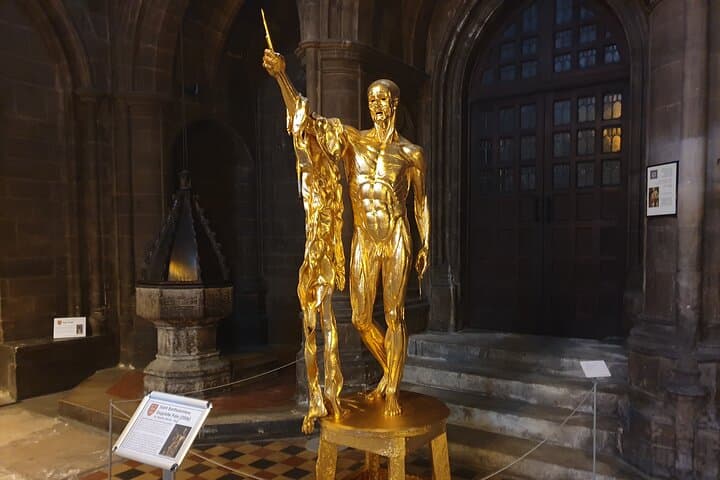
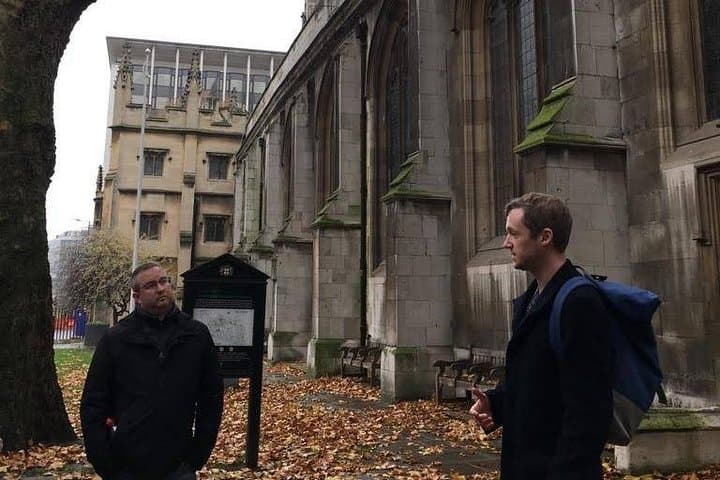
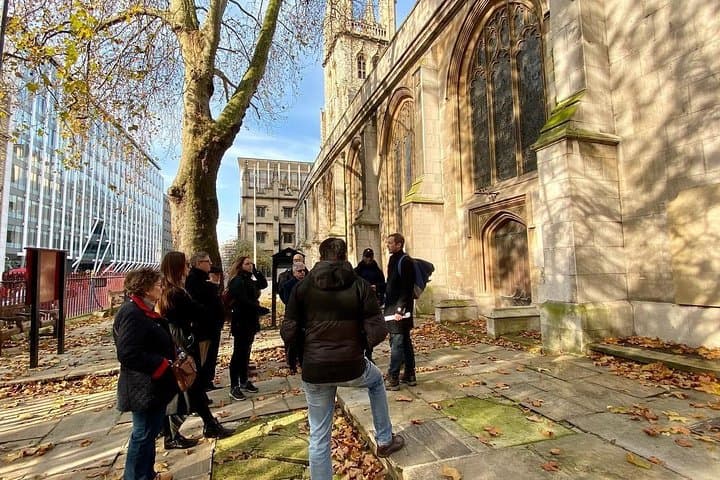
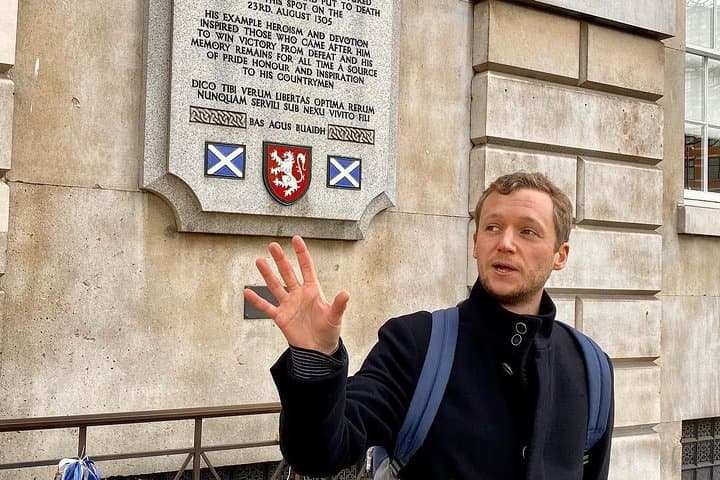
The tour begins outside Barbican Station with the city’s stone and brick shoulders pressing in—narrow alleys, cobbled lanes and the faint memory of rivers that once ran free. As you step off the main road the past reasserts itself: the air seems to carry the weight of market calls and the hush of long-buried graves.
The tour begins outside Barbican Station with the city’s stone and brick shoulders pressing in—narrow alleys, cobbled lanes and the faint memory of rivers that once ran free. As you step off the main road the past reasserts itself: the air seems to carry the weight of market calls and the hush of long-buried graves.
This two-hour, roughly two-mile walk threads through Smithfield and its surroundings, places that were London’s meat market for a thousand years and, at times, its execution ground. You’ll stand beside sites tied to the fourteenth-century plague pits, pass the home of the medieval Knights Hospitallers and see London’s oldest surviving parish church. The route touches on the River Fleet’s buried course and the streets Charles Dickens used as the setting for his darker scenes, giving texture to Victorian slums and ghost stories alike.
Geology here is urban: clay and reclaimed river channels shaped where roads and drains run. Culture and history collide—public spectacle, medical crisis, and evolving civic order—visible in the market layout, hospital facades, and memorial plaques. Local guides lean on archival records and street lore to connect names, dates and grim practices without sensationalizing.
Practical notes: the pace is gentle but includes uneven pavements and narrow passageways; groups are capped at 15 to keep commentary audible and questions possible. Meet outside Barbican Station, wear comfortable shoes, and bring a weatherproof layer—London weather changes fast. Public transport is the easiest arrival and departure option, with the tour finishing near Farringdon Station.