THE ADVENTURE COLLECTIVE® · Independent discovery and booking for outdoor travel

Travel from Burnie to Cradle Mountain for a full-day shore excursion that pairs scenic drives with short walks around Dove Lake. Explore glacial landscapes, visitor-centre exhibits, and reliable photo points while learning about the park’s cultural and geological history.
Travel from Burnie to Cradle Mountain for a full-day shore excursion that pairs scenic drives with short walks around Dove Lake. Explore glacial landscapes, visitor-centre exhibits, and reliable photo points while learning about the park’s cultural and geological history.
A low-slung coach leaves Burnie’s port and the landscape shifts: coastal scrub gives way to ancient button grass and the first ridges of the Tasmanian highlands rise like a challenge ahead. By mid-morning the craggy profile of Cradle Mountain appears, its dolerite tors and glacially scoured cirques framing Dove Lake; the air tastes colder, cleaner, and slightly metallic.
Verified experiences and guided adventures in the surrounding area.
A low-slung coach leaves Burnie’s port and the landscape shifts: coastal scrub gives way to ancient button grass and the first ridges of the Tasmanian highlands rise like a challenge ahead. By mid-morning the craggy profile of Cradle Mountain appears, its dolerite tors and glacially scoured cirques framing Dove Lake; the air tastes colder, cleaner, and slightly metallic.
Cradle Mountain–Lake St Clair is part of the Tasmanian Wilderness World Heritage Area, a place shaped by Gondwanan geology and repeated ice ages. Aboriginal Palawa people used these highlands seasonally; today the visitor centre interprets both human history and current conservation efforts. The park’s landscape alternates between buttongrass moorland, dense myrtle and King Billy pine stands, and exposed alpine rock—each terrain offering different short walks and viewpoints.
Practically, the shore excursion packs driving with several short to moderate walks: the classic Dove Lake circuit, a quick climb to Marion’s Lookout, and photo stops at the iconic boatshed. National parks pass is typically included, but weather controls time on exposed trails, so expect flexible routing.
Plan for changeable conditions: waterproof layers, sturdy boots, and a daypack with water and snacks will keep the day comfortable. Photography opportunities are plentiful—early or late light renders the mountain dramatically—and wildlife can appear near boardwalks at dawn.
This is a full-day, accessible introduction to Tasmania’s high country: immersive enough to feel like an escape, practical enough to fit into a cruise schedule. Give yourself time on the shore to move deliberately—Cradle rewards steady attention more than speed.
moderate.
5–10 hours.
Suitable for travelers who can handle several short to moderate walks and periods of standing; light-to-moderate fitness recommended.
Expect roughly 1.5–2 hours each way depending on traffic and pace; the tour schedules extra time for stops and short walks.
Yes — the excursion focuses on short to moderate walks like the Dove Lake circuit and lookout trails; some routes have stairs and uneven sections.
A parks pass is normally required for Cradle Mountain; many shore excursions include it—confirm with the operator before traveling.
No — shore excursion itineraries are planned around cruise timetables. Follow the guide’s schedule to ensure timely return to port.
Cradle Mountain sits within the Tasmanian Wilderness World Heritage Area and contains landscapes formed by ancient geology and Pleistocene glaciation; the Palawa Tasmanian Aboriginal people have long cultural ties to these highlands.
The park manages visitor impact with boardwalks and sealed paths to protect fragile alpine plants; practice Leave No Trace and follow ranger guidance to reduce erosion and disturbance.
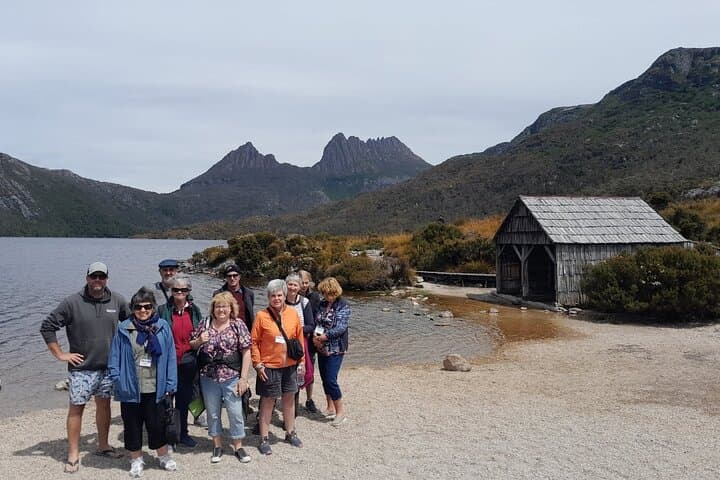
A low-slung coach leaves Burnie’s port and the landscape shifts: coastal scrub gives way to ancient button grass and the first ridges of the Tasmanian highlands rise like a challenge ahead. By mid-morning the craggy profile of Cradle Mountain appears, its dolerite tors and glacially scoured cirques framing Dove Lake; the air tastes colder, cleaner, and slightly metallic.
A low-slung coach leaves Burnie’s port and the landscape shifts: coastal scrub gives way to ancient button grass and the first ridges of the Tasmanian highlands rise like a challenge ahead. By mid-morning the craggy profile of Cradle Mountain appears, its dolerite tors and glacially scoured cirques framing Dove Lake; the air tastes colder, cleaner, and slightly metallic.
Cradle Mountain–Lake St Clair is part of the Tasmanian Wilderness World Heritage Area, a place shaped by Gondwanan geology and repeated ice ages. Aboriginal Palawa people used these highlands seasonally; today the visitor centre interprets both human history and current conservation efforts. The park’s landscape alternates between buttongrass moorland, dense myrtle and King Billy pine stands, and exposed alpine rock—each terrain offering different short walks and viewpoints.
Practically, the shore excursion packs driving with several short to moderate walks: the classic Dove Lake circuit, a quick climb to Marion’s Lookout, and photo stops at the iconic boatshed. National parks pass is typically included, but weather controls time on exposed trails, so expect flexible routing.
Plan for changeable conditions: waterproof layers, sturdy boots, and a daypack with water and snacks will keep the day comfortable. Photography opportunities are plentiful—early or late light renders the mountain dramatically—and wildlife can appear near boardwalks at dawn.
This is a full-day, accessible introduction to Tasmania’s high country: immersive enough to feel like an escape, practical enough to fit into a cruise schedule. Give yourself time on the shore to move deliberately—Cradle rewards steady attention more than speed.