THE ADVENTURE COLLECTIVE® · Independent discovery and booking for outdoor travel

Ride some of the world’s fastest elevators to three observation levels in the Burj Khalifa. From an outdoor sky terrace at 555 meters to interactive exhibits and telescopes, this one-hour visit condenses Dubai’s skyline, gulf and desert into unforgettable panoramas.
Ride some of the world’s fastest elevators to three observation levels in the Burj Khalifa. From an outdoor sky terrace at 555 meters to interactive exhibits and telescopes, this one-hour visit condenses Dubai’s skyline, gulf and desert into unforgettable panoramas.
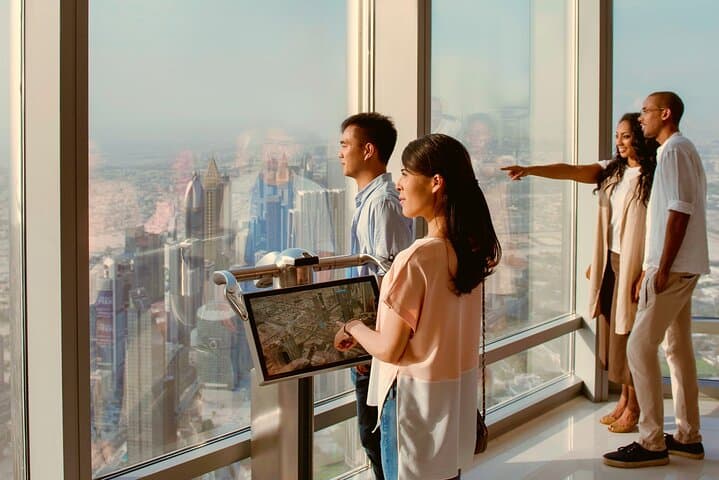
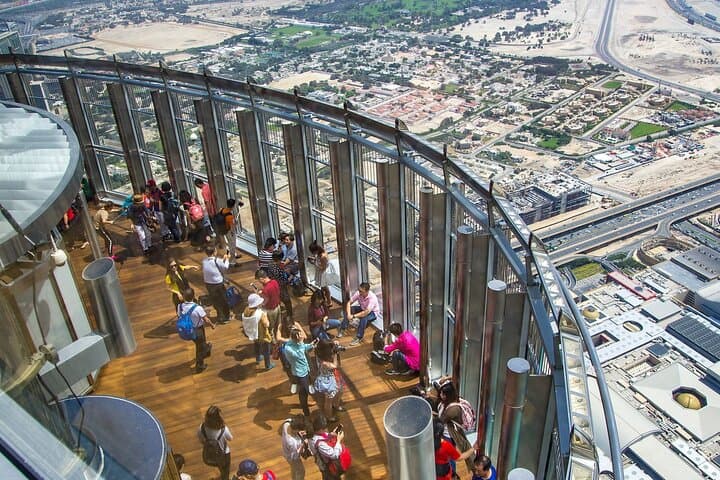
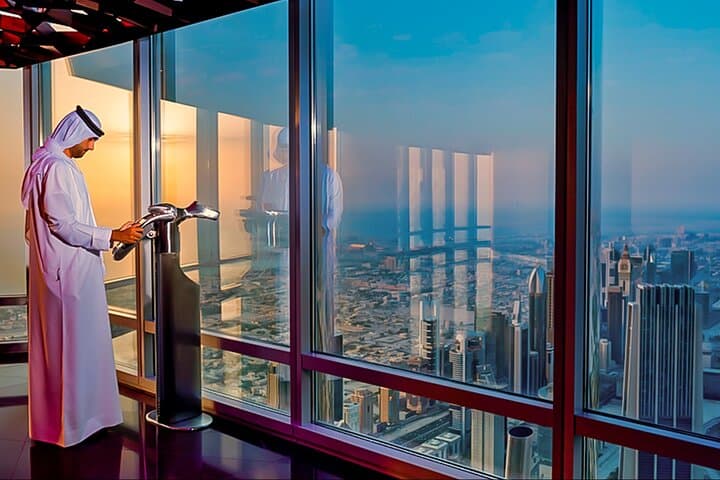
You step out of a marble lobby into an elevator that climbs faster than your heartbeat — ten meters a second — and the city rearranges itself beneath you. Above the grid of towers, the desert and the Arabian Gulf stretch in opposite directions: glass, sand and water made small. At Level 148 an outdoor terrace puts the wind at your shoulders; at 124 and 125 the skyline opens into telescopes, Arabic mashrabiya screens and immersive displays that map the city below.
Verified experiences and guided adventures in the surrounding area.
Operated by Trip Ventura · Dubai, Dubai
You step out of a marble lobby into an elevator that climbs faster than your heartbeat — ten meters a second — and the city rearranges itself beneath you. Above the grid of towers, the desert and the Arabian Gulf stretch in opposite directions: glass, sand and water made small. At Level 148 an outdoor terrace puts the wind at your shoulders; at 124 and 125 the skyline opens into telescopes, Arabic mashrabiya screens and immersive displays that map the city below.
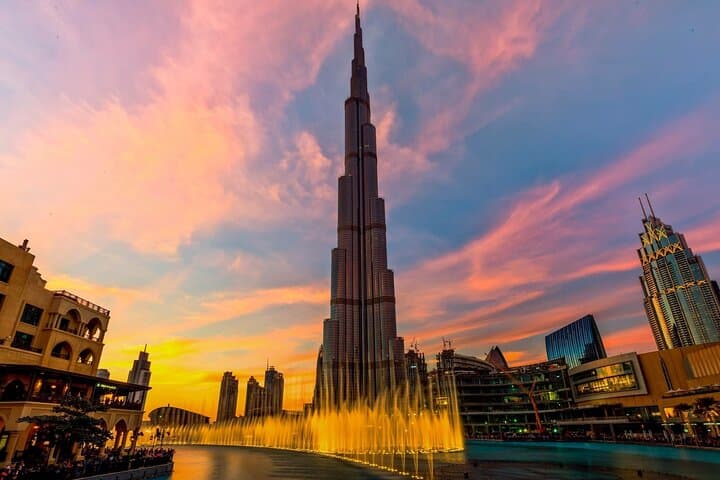
The Burj Khalifa sits on the historic Dubai Creek trading corridor but is a modern landmark defined by engineered ambition: a reinforced concrete core and stepped setbacks that rise to 828 meters, making it the tallest structure on Earth. The observation experience mixes contemporary design with Emirati references — mashrabiya patterns, curated exhibits, and narration that frames Dubai’s rapid urban transformation from pearl-trading outpost to global hub.
Practical note: the visit is largely indoor with controlled climate, but Level 148 includes an exposed terrace; you’ll encounter security screening and must present ID. The full stop-to-stop visit runs about an hour, though you can linger if your ticket allows. Peak light — late afternoon into blue hour — delivers the best photographic contrast between glass facades, desert flats and the Gulf.
Plan ahead: reserve a timed slot, bring a photo ID, and budget transport time through Downtown Dubai. Wear comfortable shoes for standing and steps, hydrate before visiting in hotter months, and arrive 10–15 minutes early for screening. If you prefer quieter views, choose early morning; sunset brings crowds but the city lights are worth it.
easy.
1 hour.
Suitable for all fitness levels; requires standing and short stair access on terraces.
The standard visit is about 60 minutes; you can spend more time on-site if your ticket type permits it.
All sales are final for this product; cancellations and refunds are not available.
Yes, Level 148’s outdoor terrace is open subject to venue rules and weather; management may limit access for safety.
The Burj Khalifa observation decks are wheelchair accessible; notify staff if you need assistance for a smoother entry.
Built atop reclaimed land in Downtown Dubai, the Burj Khalifa capped decades of rapid development and symbolizes the city’s shift from trading hub to global metropolis.
Visitor operations emphasize crowd management and controlled access to limit wear on indoor and terrace areas; minimize single-use plastics and follow venue rules to reduce impact.
Trip Ventura operates guided outdoor trips and adventures with an emphasis on safety, stewardship, and memorable experiences.
You step out of a marble lobby into an elevator that climbs faster than your heartbeat — ten meters a second — and the city rearranges itself beneath you. Above the grid of towers, the desert and the Arabian Gulf stretch in opposite directions: glass, sand and water made small. At Level 148 an outdoor terrace puts the wind at your shoulders; at 124 and 125 the skyline opens into telescopes, Arabic mashrabiya screens and immersive displays that map the city below.
You step out of a marble lobby into an elevator that climbs faster than your heartbeat — ten meters a second — and the city rearranges itself beneath you. Above the grid of towers, the desert and the Arabian Gulf stretch in opposite directions: glass, sand and water made small. At Level 148 an outdoor terrace puts the wind at your shoulders; at 124 and 125 the skyline opens into telescopes, Arabic mashrabiya screens and immersive displays that map the city below.
The Burj Khalifa sits on the historic Dubai Creek trading corridor but is a modern landmark defined by engineered ambition: a reinforced concrete core and stepped setbacks that rise to 828 meters, making it the tallest structure on Earth. The observation experience mixes contemporary design with Emirati references — mashrabiya patterns, curated exhibits, and narration that frames Dubai’s rapid urban transformation from pearl-trading outpost to global hub.
Practical note: the visit is largely indoor with controlled climate, but Level 148 includes an exposed terrace; you’ll encounter security screening and must present ID. The full stop-to-stop visit runs about an hour, though you can linger if your ticket allows. Peak light — late afternoon into blue hour — delivers the best photographic contrast between glass facades, desert flats and the Gulf.
Plan ahead: reserve a timed slot, bring a photo ID, and budget transport time through Downtown Dubai. Wear comfortable shoes for standing and steps, hydrate before visiting in hotter months, and arrive 10–15 minutes early for screening. If you prefer quieter views, choose early morning; sunset brings crowds but the city lights are worth it.