THE ADVENTURE COLLECTIVE® · Independent discovery and booking for outdoor travel

Ride one of the world's fastest elevators up to the Burj Khalifa's 124th and 125th floors for sweeping 360° views of Dubai, the desert and the Gulf. This practical guide covers what to expect, timing tips, accessibility, and how to make the most of your 60-minute visit.
Ride one of the world's fastest elevators up to the Burj Khalifa's 124th and 125th floors for sweeping 360° views of Dubai, the desert and the Gulf. This practical guide covers what to expect, timing tips, accessibility, and how to make the most of your 60-minute visit.
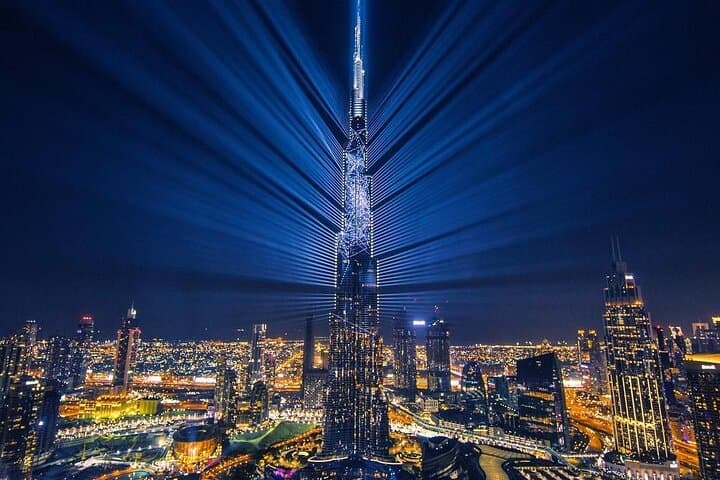
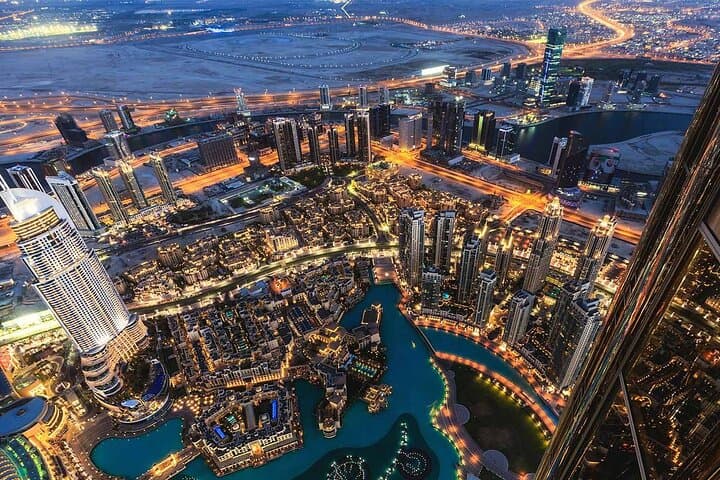
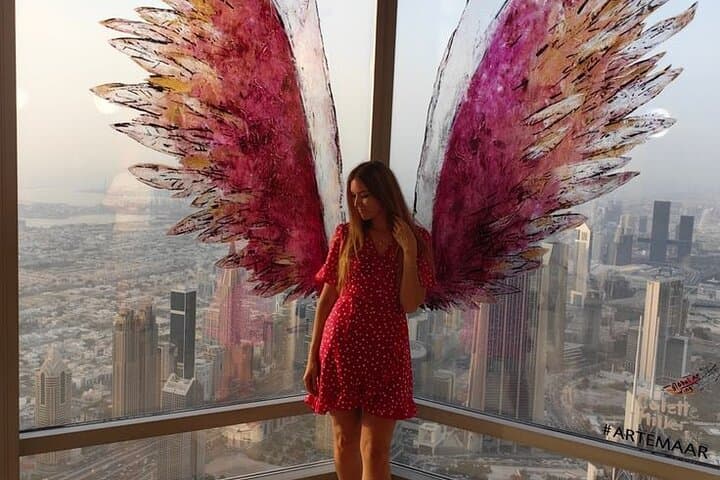
The elevator closes and in seconds you’re thrust upward—windows blur, a multimedia story of Dubai plays, and the city unfurls beneath you. At 452 meters (1,483 ft), the 124th and 125th floors of the Burj Khalifa give a rare perspective: glass walls frame the Persian Gulf to the northeast, the desert to the south, and the engineered geometry of Downtown Dubai at your feet. Step onto the open-air terrace for a gust of high-altitude wind that feels like the city exhaling.
Verified experiences and guided adventures in the surrounding area.
Operated by Mona Tourism LLC · Dubai, Dubai
The elevator closes and in seconds you’re thrust upward—windows blur, a multimedia story of Dubai plays, and the city unfurls beneath you. At 452 meters (1,483 ft), the 124th and 125th floors of the Burj Khalifa give a rare perspective: glass walls frame the Persian Gulf to the northeast, the desert to the south, and the engineered geometry of Downtown Dubai at your feet. Step onto the open-air terrace for a gust of high-altitude wind that feels like the city exhaling.
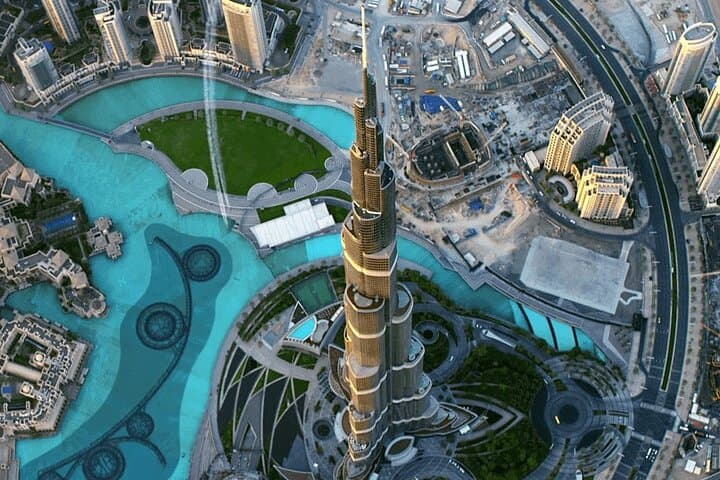
Opened in 2010 and designed by Skidmore, Owings & Merrill, Burj Khalifa is part of Dubai’s rapid architectural surge. Built on reclaimed and compacted ground at the edge of the Dubai Creek’s historical trade routes, the tower reoriented the city’s skyline toward spectacle and tourism. Cultural notes: nearby Souk Al Bahar echoes older market patterns while the Dubai Fountain choreography below blends modern entertainment with public urban space.
Practically, plan a 60-minute visit—elevators are fast, crowds arrive at sunset, and telescopes let you zoom into streets and stadiums below. Mobile tickets are accepted and confirmation is issued at booking; stroller access and public transit nearby make the site easy to reach. Health warnings are posted—guests with serious heart or spinal conditions should avoid the visit. Security screening is standard and large bags may be restricted.
Tips: pick off-peak hours for clearer photos, charge your camera, and allow time afterward to explore the Dubai Mall promenade or Burj Park for lower-angle views of the tower.
easy.
45–75 minutes.
Minimal; visitors should be able to stand and walk short distances and navigate elevators.
Admission is generally scheduled for about 60 minutes, which covers the elevator ride, observation time on floors 124/125, and a brief visit to the terrace.
Yes—tickets are issued for specific entry times and mobile or paper tickets are accepted; confirmation is received at booking.
The attraction is stroller-accessible and suitable for most physical fitness levels; however, visitors with serious cardiovascular or spinal conditions are advised not to participate.
Yes—there is an open-air terrace on the observation levels, though access can be weather-dependent and staff may restrict terrace access for safety.
Completed in 2010 and designed by Skidmore, Owings & Merrill, Burj Khalifa became the world’s tallest building and a keystone of Dubai’s 21st-century urban transformation.
Visitors should follow site rules to minimize wear on the structure and avoid throwing waste into the surrounding plaza; the site manages crowds to reduce pressure on shared public spaces.
Mona Tourism LLC operates guided outdoor trips and adventures with an emphasis on safety, stewardship, and memorable experiences.
The elevator closes and in seconds you’re thrust upward—windows blur, a multimedia story of Dubai plays, and the city unfurls beneath you. At 452 meters (1,483 ft), the 124th and 125th floors of the Burj Khalifa give a rare perspective: glass walls frame the Persian Gulf to the northeast, the desert to the south, and the engineered geometry of Downtown Dubai at your feet. Step onto the open-air terrace for a gust of high-altitude wind that feels like the city exhaling.
The elevator closes and in seconds you’re thrust upward—windows blur, a multimedia story of Dubai plays, and the city unfurls beneath you. At 452 meters (1,483 ft), the 124th and 125th floors of the Burj Khalifa give a rare perspective: glass walls frame the Persian Gulf to the northeast, the desert to the south, and the engineered geometry of Downtown Dubai at your feet. Step onto the open-air terrace for a gust of high-altitude wind that feels like the city exhaling.
Opened in 2010 and designed by Skidmore, Owings & Merrill, Burj Khalifa is part of Dubai’s rapid architectural surge. Built on reclaimed and compacted ground at the edge of the Dubai Creek’s historical trade routes, the tower reoriented the city’s skyline toward spectacle and tourism. Cultural notes: nearby Souk Al Bahar echoes older market patterns while the Dubai Fountain choreography below blends modern entertainment with public urban space.
Practically, plan a 60-minute visit—elevators are fast, crowds arrive at sunset, and telescopes let you zoom into streets and stadiums below. Mobile tickets are accepted and confirmation is issued at booking; stroller access and public transit nearby make the site easy to reach. Health warnings are posted—guests with serious heart or spinal conditions should avoid the visit. Security screening is standard and large bags may be restricted.
Tips: pick off-peak hours for clearer photos, charge your camera, and allow time afterward to explore the Dubai Mall promenade or Burj Park for lower-angle views of the tower.