THE ADVENTURE COLLECTIVE® · Independent discovery and booking for outdoor travel

Ride the world's fastest double-deck elevators to Levels 124 and 125 for sweeping 360° views of Dubai. This transport-included tour pairs priority entry, telescopes and a terrace at 456m with practical hotel pickup and accessible facilities.
Ride the world's fastest double-deck elevators to Levels 124 and 125 for sweeping 360° views of Dubai. This transport-included tour pairs priority entry, telescopes and a terrace at 456m with practical hotel pickup and accessible facilities.
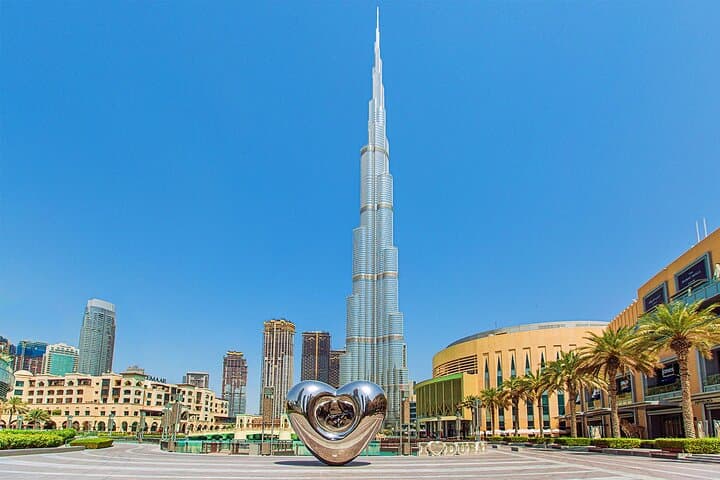
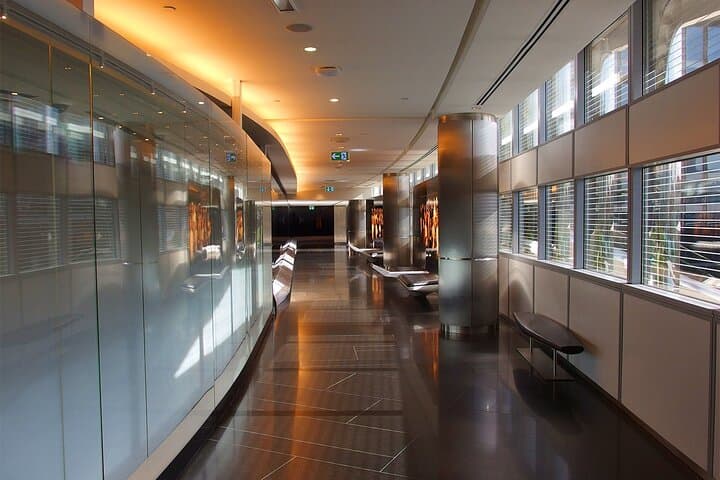
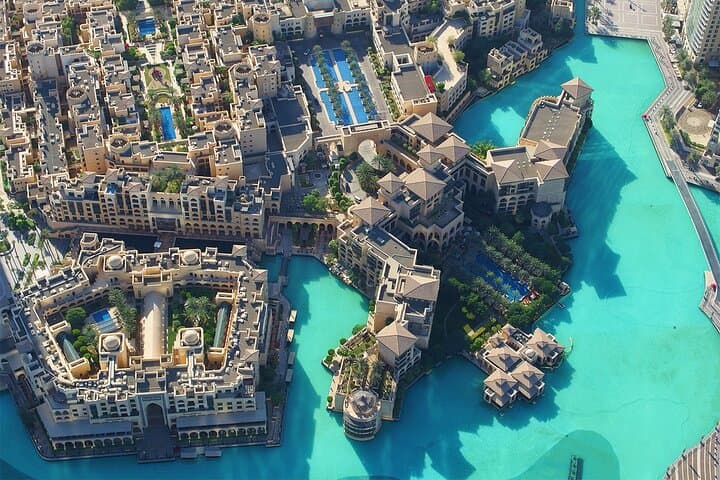
You step out of an air‑conditioned vehicle onto a plaza that hums with water and light; the tower above cuts a straight line into the sky and seems to pull the skyline upward. Inside, elevators rise so quickly they blur city noise into a soft hum; at 456 meters Level 125 opens like a lens on Dubai: glass, patterned Arabic mashrabiya and a wraparound perspective that puts the coastline, islands and desert into a single sweep.
Verified experiences and guided adventures in the surrounding area.
Operated by Regent Connect · Dubai, Dubai
You step out of an air‑conditioned vehicle onto a plaza that hums with water and light; the tower above cuts a straight line into the sky and seems to pull the skyline upward. Inside, elevators rise so quickly they blur city noise into a soft hum; at 456 meters Level 125 opens like a lens on Dubai: glass, patterned Arabic mashrabiya and a wraparound perspective that puts the coastline, islands and desert into a single sweep.
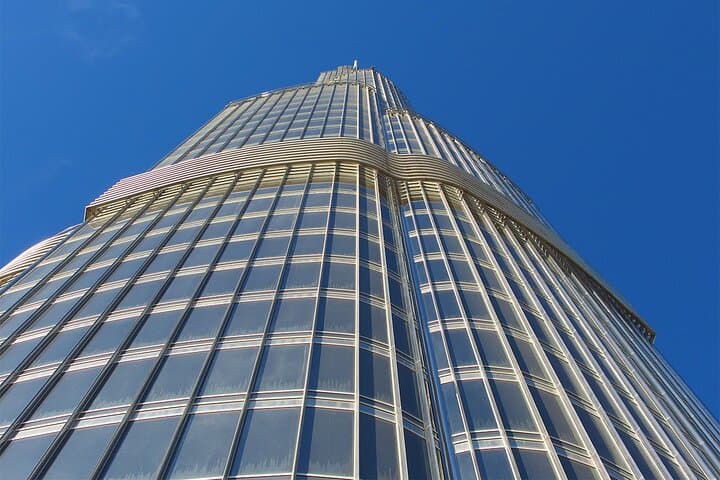
The Burj Khalifa was completed in 2010, designed by Adrian Smith at SOM, and stands as the world’s tallest building at 828 meters. Its stepped, Y-shaped plan is a structural response to wind and the region’s flat geology—piled foundations over compacted sand and reclaimed land. The observation decks at 124 and 125 pair high‑speed engineering with contemporary Emirati design and offer telescopes, an outdoor terrace and VR/green‑screen experiences that frame Dubai’s recent cultural rise.
For practical use: tours include hotel pickup and priority entry, but tickets are final sale—save your mobile pass and ID. Travel early morning for cooler temperatures or late afternoon for sunset light; summer afternoons are intensely hot when you’re outside on the terrace. Dress respectfully in public areas and bring a fast‑charging phone for photos—the light shifts quickly and the skyline changes as ferries glide below.
Expect minimal walking, brief security checks, and timed entry. For photographers, scout the base (Burj Park and the Dubai Fountain promenade) before or after your slot to capture different angles. The experience is short, sharply refined and heavily urban—an engineered peak that foregrounds Dubai’s growth and a practical, memorable window on the city.
easy.
1–2 hours.
Minimal fitness required—short standing and walking indoors and to/from transport; suitable for most travelers
Yes—vehicles and observation areas are wheelchair accessible and surfaces are suitable for mobility devices; note that some outdoor terraces may have thresholds.
This offering is final sale with no refunds; verify timings carefully before booking and save your mobile ticket after purchase.
Handheld photography is allowed; tripods and large equipment may be restricted—check with your guide for professional setups.
Early morning provides clearer air and fewer crowds; late afternoon offers dramatic light but requires booking well in advance for sunset slots.
Burj Khalifa opened in 2010 and was designed by Adrian Smith (SOM); its height and stepped form reflect both engineering responses to wind and Dubai’s rapid urban expansion.
Visitors should minimize waste, respect restricted zones and avoid littering around Burj Lake; the tower operates in an area with high resource use, so small actions like using refillable bottles help lower impact.
Regent Connect operates guided outdoor trips and adventures with an emphasis on safety, stewardship, and memorable experiences.
You step out of an air‑conditioned vehicle onto a plaza that hums with water and light; the tower above cuts a straight line into the sky and seems to pull the skyline upward. Inside, elevators rise so quickly they blur city noise into a soft hum; at 456 meters Level 125 opens like a lens on Dubai: glass, patterned Arabic mashrabiya and a wraparound perspective that puts the coastline, islands and desert into a single sweep.
You step out of an air‑conditioned vehicle onto a plaza that hums with water and light; the tower above cuts a straight line into the sky and seems to pull the skyline upward. Inside, elevators rise so quickly they blur city noise into a soft hum; at 456 meters Level 125 opens like a lens on Dubai: glass, patterned Arabic mashrabiya and a wraparound perspective that puts the coastline, islands and desert into a single sweep.
The Burj Khalifa was completed in 2010, designed by Adrian Smith at SOM, and stands as the world’s tallest building at 828 meters. Its stepped, Y-shaped plan is a structural response to wind and the region’s flat geology—piled foundations over compacted sand and reclaimed land. The observation decks at 124 and 125 pair high‑speed engineering with contemporary Emirati design and offer telescopes, an outdoor terrace and VR/green‑screen experiences that frame Dubai’s recent cultural rise.
For practical use: tours include hotel pickup and priority entry, but tickets are final sale—save your mobile pass and ID. Travel early morning for cooler temperatures or late afternoon for sunset light; summer afternoons are intensely hot when you’re outside on the terrace. Dress respectfully in public areas and bring a fast‑charging phone for photos—the light shifts quickly and the skyline changes as ferries glide below.
Expect minimal walking, brief security checks, and timed entry. For photographers, scout the base (Burj Park and the Dubai Fountain promenade) before or after your slot to capture different angles. The experience is short, sharply refined and heavily urban—an engineered peak that foregrounds Dubai’s growth and a practical, memorable window on the city.