THE ADVENTURE COLLECTIVE® · Independent discovery and booking for outdoor travel

Ascend the world’s tallest building and trade streets for a glass-walled panorama of Dubai. This guide explains what to expect at Levels 124–125 (and the VIP Sky Lounge), plus timing, transit, and practical tips to get the most from your visit.
Ascend the world’s tallest building and trade streets for a glass-walled panorama of Dubai. This guide explains what to expect at Levels 124–125 (and the VIP Sky Lounge), plus timing, transit, and practical tips to get the most from your visit.
You step into the lobby and the elevator becomes a promise—sixty seconds of rising, a pulse of light and story that ends with a glass wall and a city flattened into geometry.
Verified experiences and guided adventures in the surrounding area.
Operated by Yo Tours · Dubai, Dubai
You step into the lobby and the elevator becomes a promise—sixty seconds of rising, a pulse of light and story that ends with a glass wall and a city flattened into geometry.
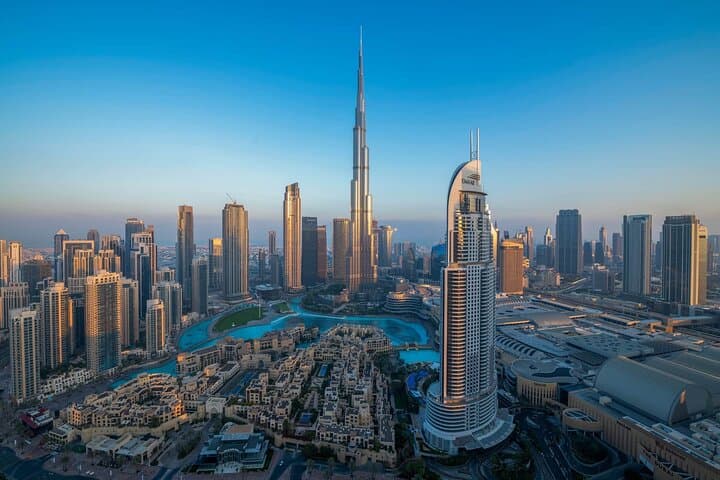
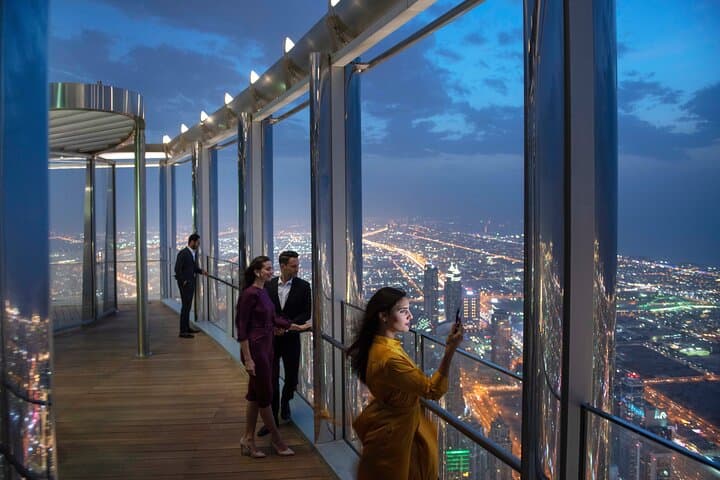
On Levels 124 and 125 the windows frame the Arabian Gulf, the Palm and the glass-and-concrete grid of Downtown Dubai; Level 125’s open-air terrace lets the wind push at you, a reminder that you are very high above ground. The building itself opened in 2010 and at 828 meters remains the tallest structure on Earth, a project led by Adrian Smith at Skidmore, Owings & Merrill that changed Dubai’s skyline and tourist map.
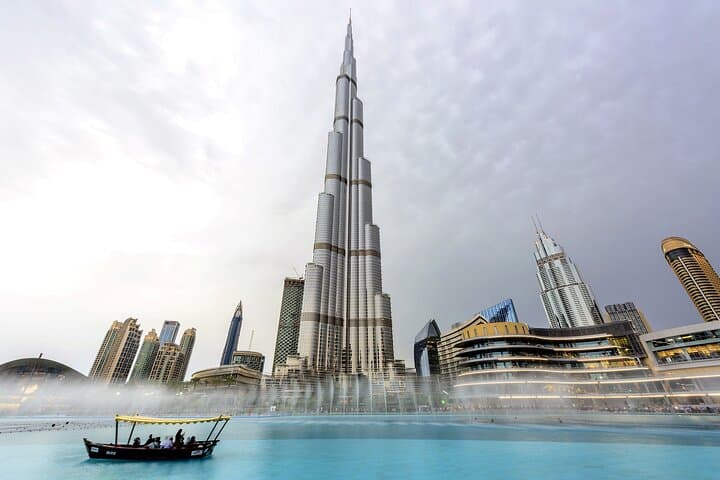
Geologically the tower sits on reclaimed and compacted desert soils; culturally it signals Dubai’s rapid urban ambitions—nearby you’ll find the Dubai Fountain, The Dubai Mall and Burj Park, all part of a concentrated civic stage. Expect interpretive exhibits, telescopes, and a multimedia narrative about the city’s rise as you ascend.
Practical guidance: book a timed slot—sunset slots are popular for good reason—and allow 40–90 minutes for the visit. Security checks and elevator queues are standard; Gold/SKY tickets shorten waits and add Level 148 access with refreshments. The attraction is wheelchair accessible and suitable for most fitness levels, but anyone with a fear of heights should pick a daytime slot to assess comfort.
Use public transit to avoid mall traffic, carry ID, bring a camera with extra battery, and plan for crowds between mid-afternoon and early evening. Even in a city of engineered vistas, the view from the top still demands attention.
easy.
1–3 hours.
Minimal—suitable for most fitness levels; involves short walks and standing during queues
Mobile tickets are accepted; bring the PDF or the ticket link shown in your booking confirmation along with photo ID.
You can stay as long as you like once inside, but typical visits last around 40–90 minutes depending on crowding.
Yes—levels 124 and 125 are wheelchair accessible and the facility includes elevators and ramps for mobility needs.
Photography is allowed; flash rarely helps through thick glass and may disturb other visitors—use steady hands or a tripod only where permitted.
Completed in 2010 and designed by Adrian Smith (SOM), Burj Khalifa pushed structural engineering limits to reach 828 meters, catalyzing Dubai’s tourism boom.
High visitor numbers require careful crowd management and energy use; the complex uses centralized systems to reduce load, and visitors are encouraged to minimize waste and respect exhibit rules.
Yo Tours operates guided outdoor trips and adventures with an emphasis on safety, stewardship, and memorable experiences.
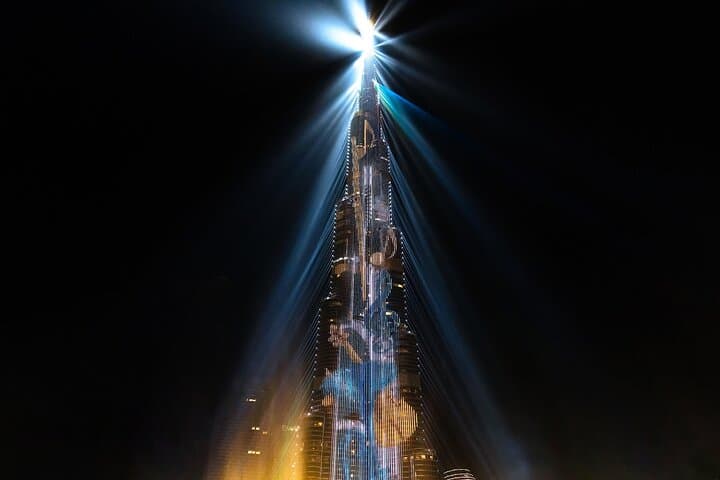
You step into the lobby and the elevator becomes a promise—sixty seconds of rising, a pulse of light and story that ends with a glass wall and a city flattened into geometry.
You step into the lobby and the elevator becomes a promise—sixty seconds of rising, a pulse of light and story that ends with a glass wall and a city flattened into geometry.
On Levels 124 and 125 the windows frame the Arabian Gulf, the Palm and the glass-and-concrete grid of Downtown Dubai; Level 125’s open-air terrace lets the wind push at you, a reminder that you are very high above ground. The building itself opened in 2010 and at 828 meters remains the tallest structure on Earth, a project led by Adrian Smith at Skidmore, Owings & Merrill that changed Dubai’s skyline and tourist map.
Geologically the tower sits on reclaimed and compacted desert soils; culturally it signals Dubai’s rapid urban ambitions—nearby you’ll find the Dubai Fountain, The Dubai Mall and Burj Park, all part of a concentrated civic stage. Expect interpretive exhibits, telescopes, and a multimedia narrative about the city’s rise as you ascend.
Practical guidance: book a timed slot—sunset slots are popular for good reason—and allow 40–90 minutes for the visit. Security checks and elevator queues are standard; Gold/SKY tickets shorten waits and add Level 148 access with refreshments. The attraction is wheelchair accessible and suitable for most fitness levels, but anyone with a fear of heights should pick a daytime slot to assess comfort.
Use public transit to avoid mall traffic, carry ID, bring a camera with extra battery, and plan for crowds between mid-afternoon and early evening. Even in a city of engineered vistas, the view from the top still demands attention.