THE ADVENTURE COLLECTIVE® · Independent discovery and booking for outdoor travel

Ascend to Level 124 for sweeping 360° views, then settle into a three-course lunch or dinner at the Burj Club or Armani venue. This guide covers what to expect—timing, accessibility, and how to get the best light for photos.
Ascend to Level 124 for sweeping 360° views, then settle into a three-course lunch or dinner at the Burj Club or Armani venue. This guide covers what to expect—timing, accessibility, and how to get the best light for photos.
You step out of the elevator and the city exhales beneath you—glass, light and the Persian Gulf folding into the skyline. From Level 124 of Burj Khalifa the city rearranges: low-rise souks become a grid, the Dubai Fountain crouches like a theatrical river waiting to dance, and the dunes dissolve into distant horizon.
Verified experiences and guided adventures in the surrounding area.
Operated by Dubai Egypt Travel · Dubai, Dubai
You step out of the elevator and the city exhales beneath you—glass, light and the Persian Gulf folding into the skyline. From Level 124 of Burj Khalifa the city rearranges: low-rise souks become a grid, the Dubai Fountain crouches like a theatrical river waiting to dance, and the dunes dissolve into distant horizon.
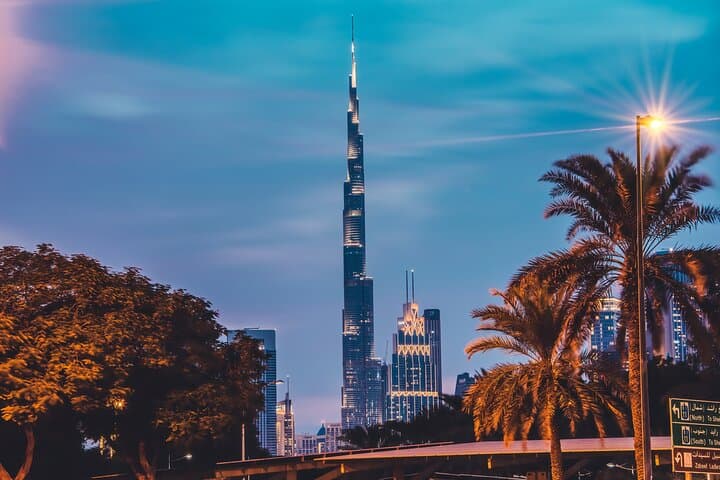
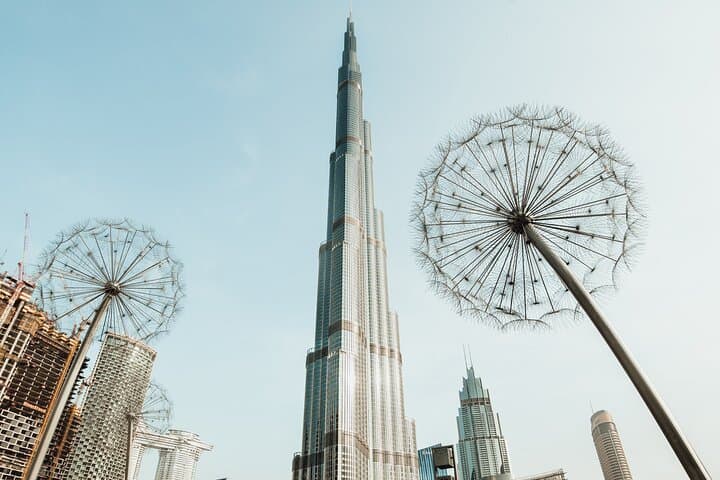
The tower itself opened in 2010 and holds the record as the world’s tallest completed building. Engineered by Skidmore, Owings & Merrill, its stepped, Y-shaped plan anchors a concrete and steel spine that rises from reclaimed and naturally occurring coastal sediments—Dubai’s vertical statement on a flat, sedimentary plain.
Culturally, the visit blends global luxury and Emirati pragmatism: strict but welcoming dress norms in public spaces, and an emphasis on reservation-based dining. The included three-course meal at the Burj Club (or an Armani venue if available) contrasts with the observation deck’s high-altitude perspective; note that dinner seating occurs after your descent.
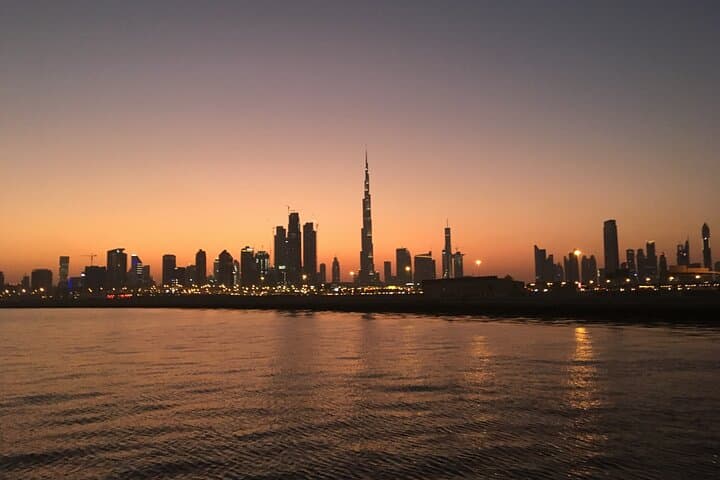
Practical guidance: book a sunset slot for changing light and the fountain show; allow time for security screening and elevator queues. The experience is wheelchair accessible and suitable for all fitness levels, but carry ID and your ticket on mobile. Cameras and small tripods are allowed—use a fast lens for dusk shots. Peak summer afternoons are hot outside; plan indoor transitions accordingly.
Timing, reservations and a calm tolerance for crowds turn this iconic stop into a clean, efficient experience: high perspectives, designed infrastructure, and a city that keeps moving beneath your feet.
easy.
4–5 hours.
No special fitness required; accessible for most mobility levels as elevators handle vertical access.
Yes—public areas, elevators and transport access are wheelchair accessible; staff can assist with arrangements.
The package includes a three-course meal at Burj Club; dining location may shift to Armani restaurants depending on availability.
You can view the fountain from Level 124, and evening bookings offer the best views of the fountain shows and illuminated skyline.
Photography is allowed; small tripods are usually permitted but confirm with staff on site for any tripod or professional gear restrictions.
Completed in 2010, Burj Khalifa was designed by Adrian Smith at SOM and constructed as part of Dubai’s rapid 21st-century urban expansion.
The tower and surrounding developments employ water-saving fixtures and upgraded lighting; visitors are encouraged to reduce waste and follow on-site recycling where provided.
Dubai Egypt Travel operates guided outdoor trips and adventures with an emphasis on safety, stewardship, and memorable experiences.
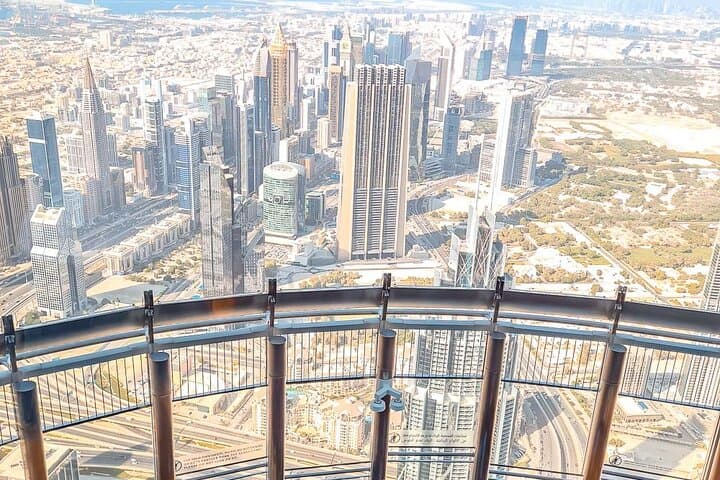
You step out of the elevator and the city exhales beneath you—glass, light and the Persian Gulf folding into the skyline. From Level 124 of Burj Khalifa the city rearranges: low-rise souks become a grid, the Dubai Fountain crouches like a theatrical river waiting to dance, and the dunes dissolve into distant horizon.
You step out of the elevator and the city exhales beneath you—glass, light and the Persian Gulf folding into the skyline. From Level 124 of Burj Khalifa the city rearranges: low-rise souks become a grid, the Dubai Fountain crouches like a theatrical river waiting to dance, and the dunes dissolve into distant horizon.
The tower itself opened in 2010 and holds the record as the world’s tallest completed building. Engineered by Skidmore, Owings & Merrill, its stepped, Y-shaped plan anchors a concrete and steel spine that rises from reclaimed and naturally occurring coastal sediments—Dubai’s vertical statement on a flat, sedimentary plain.
Culturally, the visit blends global luxury and Emirati pragmatism: strict but welcoming dress norms in public spaces, and an emphasis on reservation-based dining. The included three-course meal at the Burj Club (or an Armani venue if available) contrasts with the observation deck’s high-altitude perspective; note that dinner seating occurs after your descent.
Practical guidance: book a sunset slot for changing light and the fountain show; allow time for security screening and elevator queues. The experience is wheelchair accessible and suitable for all fitness levels, but carry ID and your ticket on mobile. Cameras and small tripods are allowed—use a fast lens for dusk shots. Peak summer afternoons are hot outside; plan indoor transitions accordingly.
Timing, reservations and a calm tolerance for crowds turn this iconic stop into a clean, efficient experience: high perspectives, designed infrastructure, and a city that keeps moving beneath your feet.