THE ADVENTURE COLLECTIVE® · Independent discovery and booking for outdoor travel

Ascend to the 124th–125th floors of the Burj Khalifa for sweeping views of Dubai’s skyline, desert and sea. This concise guide covers history, practical tips, and what to expect at the world’s tallest observation deck.
Ascend to the 124th–125th floors of the Burj Khalifa for sweeping views of Dubai’s skyline, desert and sea. This concise guide covers history, practical tips, and what to expect at the world’s tallest observation deck.
You step out of the elevator and the city redraws itself: glass and light stretch to the horizon, the desert folds away toward the Persian Gulf, and the tiny geometry of traffic and parks becomes a map beneath your feet.
Verified experiences and guided adventures in the surrounding area.
Operated by we share · Dubai, Dubai
You step out of the elevator and the city redraws itself: glass and light stretch to the horizon, the desert folds away toward the Persian Gulf, and the tiny geometry of traffic and parks becomes a map beneath your feet.
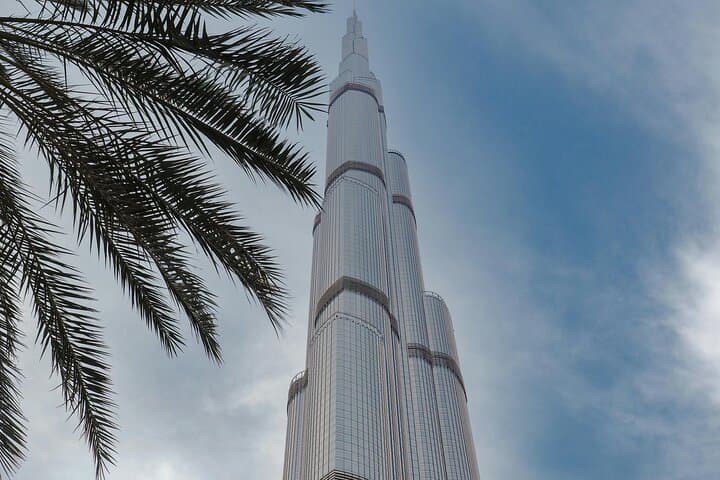
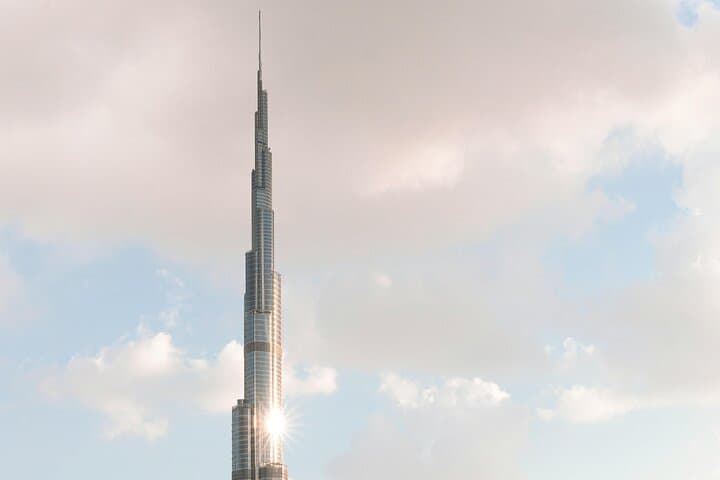
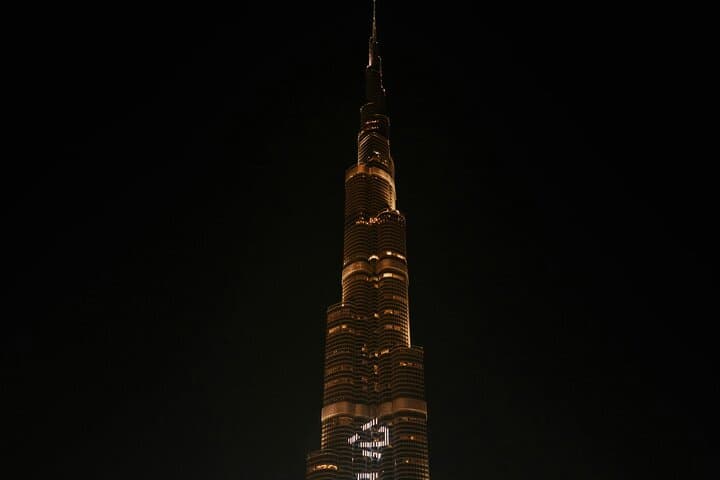
Opened in 2010, Burj Khalifa reoriented Dubai's skyline and global reputation. Designed by Skidmore, Owings & Merrill with a Y-shaped plan to reduce wind forces, the tower sits on reclaimed flats bordering a coastal plain where ancient dunes once ruled. The observation levels on the 124th and 125th floors offer floor-to-ceiling views through high-powered telescopes and, on the outdoor terrace, a raw sense of elevation over 450 meters up.
Culturally, the tower is a living part of downtown Dubai — its fountains, promenades, and hotels make visiting a city-stage experience as much as an architectural one. Expect international crowds, quick-moving security, and audiovisual exhibits that place the building in regional context.
Practical guidance: book a timed slot to avoid peak crowds (sunset fills fast), allow 60–120 minutes for the visit, and arrive early for clearer air. Security requires bag checks; large tripods are usually restricted. In summer, plan air-conditioned transit between sites and hydrate—the outdoor terrace is exposed and sun-intense. Photography is the main activity: wide lenses for sweeping panoramas, a lightweight jacket for the terrace wind, and a pulse of patience for unobstructed views.
Whether you’re after architectural detail or a sweeping orientation to Dubai’s scale, the Burj Khalifa observation experience is compact, high-altitude, and efficient.
easy.
1–2 hours.
Accessible to most people; involves elevator travel and some standing and walking on flat surfaces
Yes—timed tickets are recommended, especially for sunset and weekend slots; book online to secure your preferred time.
Yes—the observation levels include an outdoor terrace above 450 meters, but access may be limited in strong winds or for weather reasons.
Security restrictions vary; small bags are fine, but large tripods and hard cases are often restricted—check the operator’s rules before visiting.
Yes—the observation decks and main public areas are wheelchair accessible with elevator access and adapted facilities.
Completed in 2010, Burj Khalifa was designed by Skidmore, Owings & Merrill and symbolizes Dubai’s rapid urban transformation in the early 21st century.
Visitor management and timed entries help reduce crowding; the building recovers condensate for landscaping and uses efficient systems, but visitors should minimize waste and follow site rules.
we share operates guided outdoor trips and adventures with an emphasis on safety, stewardship, and memorable experiences.
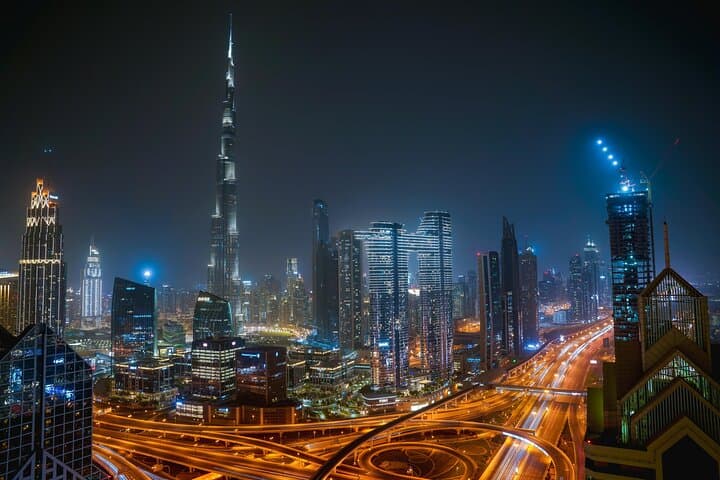
You step out of the elevator and the city redraws itself: glass and light stretch to the horizon, the desert folds away toward the Persian Gulf, and the tiny geometry of traffic and parks becomes a map beneath your feet.
You step out of the elevator and the city redraws itself: glass and light stretch to the horizon, the desert folds away toward the Persian Gulf, and the tiny geometry of traffic and parks becomes a map beneath your feet.
Opened in 2010, Burj Khalifa reoriented Dubai's skyline and global reputation. Designed by Skidmore, Owings & Merrill with a Y-shaped plan to reduce wind forces, the tower sits on reclaimed flats bordering a coastal plain where ancient dunes once ruled. The observation levels on the 124th and 125th floors offer floor-to-ceiling views through high-powered telescopes and, on the outdoor terrace, a raw sense of elevation over 450 meters up.
Culturally, the tower is a living part of downtown Dubai — its fountains, promenades, and hotels make visiting a city-stage experience as much as an architectural one. Expect international crowds, quick-moving security, and audiovisual exhibits that place the building in regional context.
Practical guidance: book a timed slot to avoid peak crowds (sunset fills fast), allow 60–120 minutes for the visit, and arrive early for clearer air. Security requires bag checks; large tripods are usually restricted. In summer, plan air-conditioned transit between sites and hydrate—the outdoor terrace is exposed and sun-intense. Photography is the main activity: wide lenses for sweeping panoramas, a lightweight jacket for the terrace wind, and a pulse of patience for unobstructed views.
Whether you’re after architectural detail or a sweeping orientation to Dubai’s scale, the Burj Khalifa observation experience is compact, high-altitude, and efficient.