THE ADVENTURE COLLECTIVE® · Independent discovery and booking for outdoor travel

Ascend to floors 124 and 125 of the Burj Khalifa with an app-guided ticket and take in 360° panoramas of Dubai’s skyline, desert, and coastline. This guide explains what to expect, practical tips for timing and accessibility, and how the app brings the tower’s engineering and history to life.
Ascend to floors 124 and 125 of the Burj Khalifa with an app-guided ticket and take in 360° panoramas of Dubai’s skyline, desert, and coastline. This guide explains what to expect, practical tips for timing and accessibility, and how the app brings the tower’s engineering and history to life.
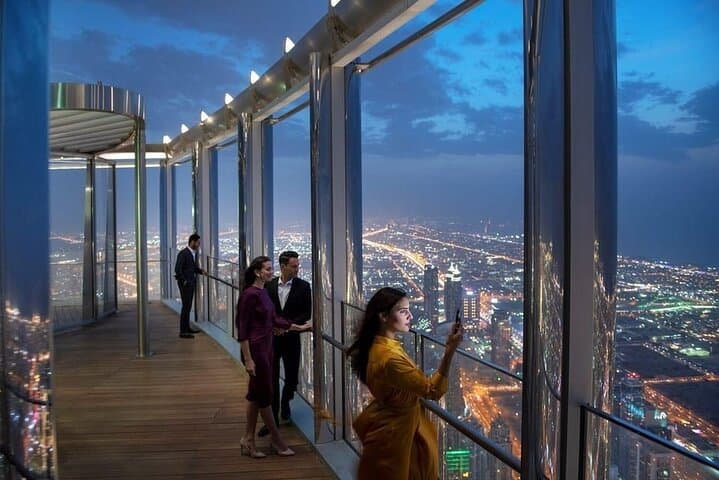
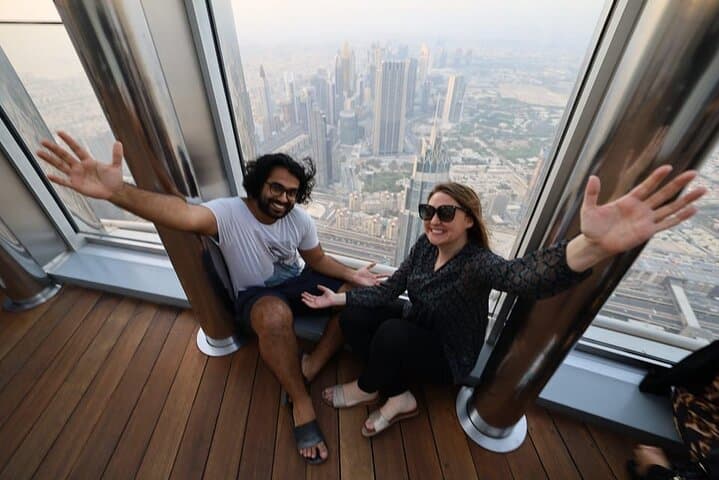
You step out of the elevator and the city widens beneath you: a grid of glass, sand, and sea that slides away in every direction. On floors 124 and 125 of the Burj Khalifa, the wind and light become tangible—coastal glare on one side, the low dunes and desert tones on the other—while Dubai’s geometry reads like a living map.
Verified experiences and guided adventures in the surrounding area.
Operated by Pintours · Dubai, Dubai
You step out of the elevator and the city widens beneath you: a grid of glass, sand, and sea that slides away in every direction. On floors 124 and 125 of the Burj Khalifa, the wind and light become tangible—coastal glare on one side, the low dunes and desert tones on the other—while Dubai’s geometry reads like a living map.
The Burj Khalifa opened in 2010 and redefined skyline engineering; designed by Adrian Smith of SOM, its stepped Y-shaped core references regional architectural forms while enabling great height. The tower rises from reclaimed ground in Downtown Dubai and looks toward the Arabian Gulf, a modern landmark tied to a rapid urban and economic history that reshaped the emirate.
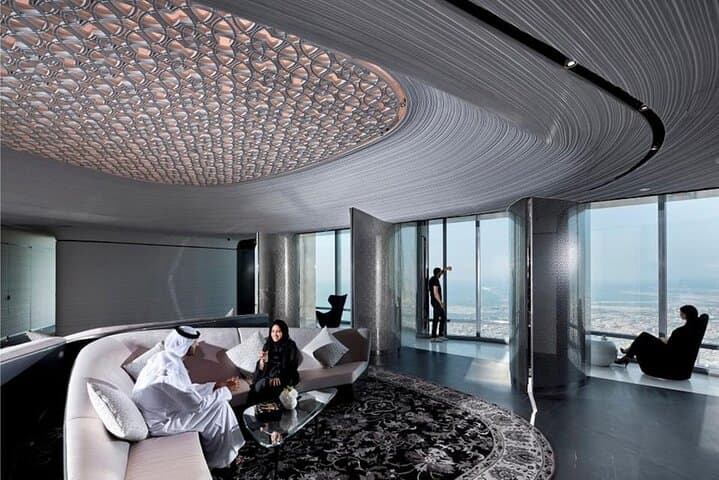
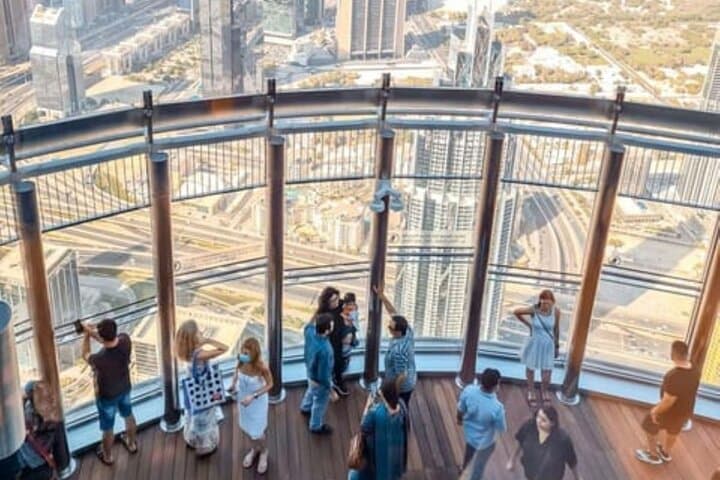
The observation decks at levels 124 and 125 sit at roughly 452 meters and offer 360-degree views through expansive glass panels and exterior terraces. The app-guided experience enriches what you see with construction stories, design details, and curated vantage points—useful context for reading the cityscape and spotting neighborhoods, waterways, and the desert fringe.
Practical notes: allow about 2–2.5 hours for the full visit; arrive early for clearer air and lighter crowds, or time your ticket for sunset if you want changing light. The site is fully wheelchair accessible; follow posted barriers and staff directions. Bring sun protection for outdoor terraces, a charged phone for the app, and expect security screening. Peak summer heat makes outdoor time brief—plan accordingly.
From this height the city’s movement becomes legible: roads pour like arteries, fountains pulse in time, and the coastline dares you to look past the horizon.
easy.
2–3 hours.
Suitable for all fitness levels; primarily standing and walking with elevator access
Yes—floors 124 and 125 are wheelchair accessible with elevator access and accessible restrooms; staff can assist as needed.
Photography for personal use is permitted, but tripods and professional equipment may be restricted—check on-site rules before bringing them.
This specific app-guided ticket does not guarantee a skip-the-line entry; timed tickets help manage crowds but some queuing and security screening is standard.
Early morning offers clearer air and fewer visitors; sunset provides dramatic lighting but comes with larger crowds—choose based on whether you prefer solitude or spectacle.
Completed in 2010 and designed by SOM, the Burj Khalifa anchored the rapid redevelopment of Downtown Dubai and symbolizes the emirate’s 21st-century building boom.
Visitor numbers are managed through timed entry to reduce wear; follow signage, avoid leaning on glass, and respect staff instructions to minimize impact.
Pintours operates guided outdoor trips and adventures with an emphasis on safety, stewardship, and memorable experiences.
You step out of the elevator and the city widens beneath you: a grid of glass, sand, and sea that slides away in every direction. On floors 124 and 125 of the Burj Khalifa, the wind and light become tangible—coastal glare on one side, the low dunes and desert tones on the other—while Dubai’s geometry reads like a living map.
You step out of the elevator and the city widens beneath you: a grid of glass, sand, and sea that slides away in every direction. On floors 124 and 125 of the Burj Khalifa, the wind and light become tangible—coastal glare on one side, the low dunes and desert tones on the other—while Dubai’s geometry reads like a living map.
The Burj Khalifa opened in 2010 and redefined skyline engineering; designed by Adrian Smith of SOM, its stepped Y-shaped core references regional architectural forms while enabling great height. The tower rises from reclaimed ground in Downtown Dubai and looks toward the Arabian Gulf, a modern landmark tied to a rapid urban and economic history that reshaped the emirate.
The observation decks at levels 124 and 125 sit at roughly 452 meters and offer 360-degree views through expansive glass panels and exterior terraces. The app-guided experience enriches what you see with construction stories, design details, and curated vantage points—useful context for reading the cityscape and spotting neighborhoods, waterways, and the desert fringe.
Practical notes: allow about 2–2.5 hours for the full visit; arrive early for clearer air and lighter crowds, or time your ticket for sunset if you want changing light. The site is fully wheelchair accessible; follow posted barriers and staff directions. Bring sun protection for outdoor terraces, a charged phone for the app, and expect security screening. Peak summer heat makes outdoor time brief—plan accordingly.
From this height the city’s movement becomes legible: roads pour like arteries, fountains pulse in time, and the coastline dares you to look past the horizon.