THE ADVENTURE COLLECTIVE® · Independent discovery and booking for outdoor travel

Ascend to the 124th floor of the Burj Khalifa for a 360° cityscape, then descend to a three-course dinner in the tower’s upscale restaurants. This guide explains what to expect, how to time your visit, and practical tips for an efficient, memorable evening.
Ascend to the 124th floor of the Burj Khalifa for a 360° cityscape, then descend to a three-course dinner in the tower’s upscale restaurants. This guide explains what to expect, how to time your visit, and practical tips for an efficient, memorable evening.
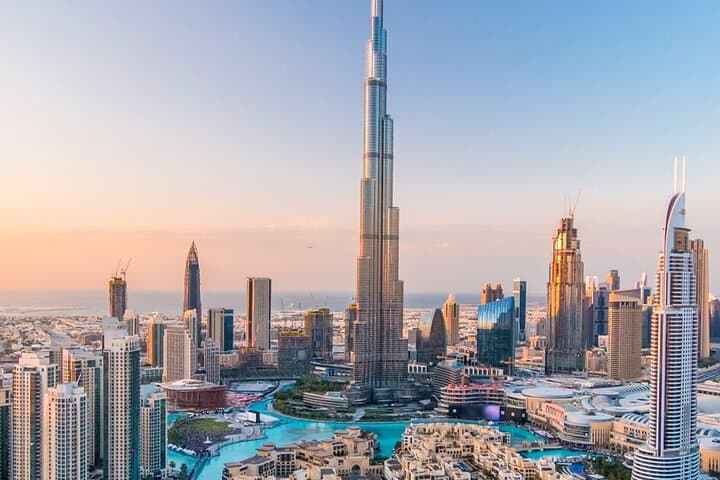
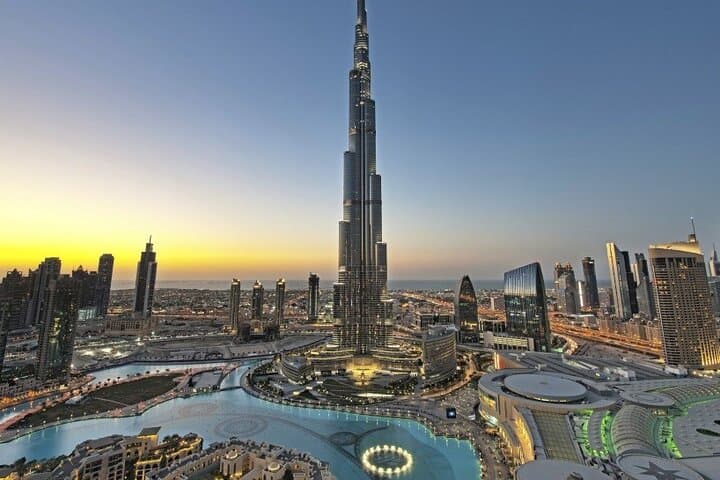
The elevator climbs in silence and then opens onto a ring of glass where the city unfurls: a grid of lights, the Arabian Gulf a dark blade, and the Dubai Fountain punctuating the lake below. At 124 floors up, wind and height give the view a presence — the skyline feels deliberately arranged to be seen from here.
Verified experiences and guided adventures in the surrounding area.
Operated by Nice Dubai Tours · Dubai, Dubai
The elevator climbs in silence and then opens onto a ring of glass where the city unfurls: a grid of lights, the Arabian Gulf a dark blade, and the Dubai Fountain punctuating the lake below. At 124 floors up, wind and height give the view a presence — the skyline feels deliberately arranged to be seen from here.
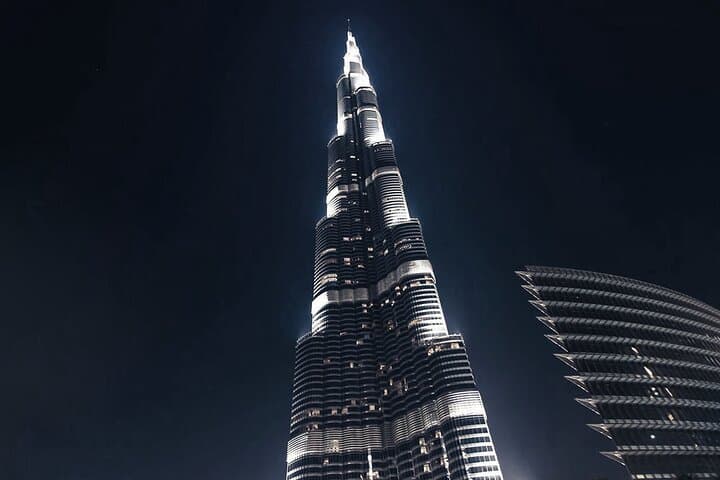
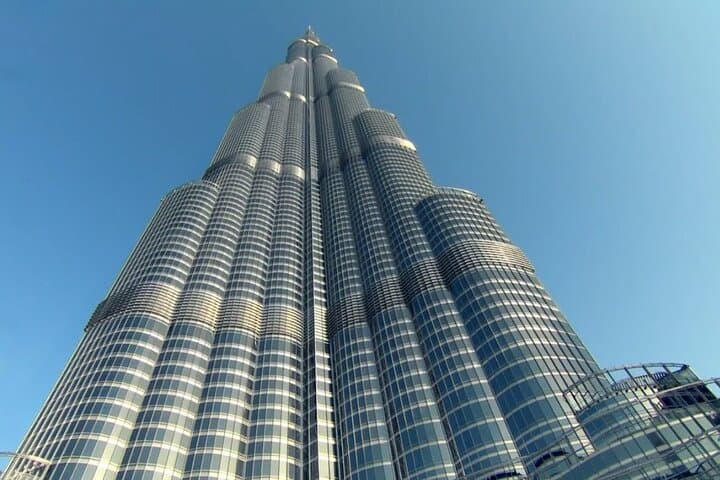
Completed in 2010, the Burj Khalifa became the tallest building in the world and marks a decisive phase in Dubai’s rapid urban expansion; its stepped design draws on regional architectural forms while responding to the Gulf’s coastal plain. Geologically, the tower rises from reclaimed and natural coastal sediment along the Arabian Gulf, its foundations driven deep into firm ground to support the record-breaking heights.
Culturally, an evening at the tower blends international luxury with Emirati hospitality: the 3-course meal options served at Burj Club or nearby Armani venues favor Mediterranean and modern Middle Eastern flavors, paired to a view that shifts from sunset past the fountain shows.
Practical guidance: book the sunset slot for the richest light and schedule; arrival 30–45 minutes earlier reduces queue stress. Dress code leans smart-casual for restaurants; bring photo ID for ticketing. Mobility access is generally good, but confirm dietary needs ahead of time when booking. Expect elevators and viewing platforms to be climate-controlled — hydration and a light layer are useful if you plan to linger on the outdoor terraces.
This experience is as much about timing and logistics as it is about the panorama: reserve strategically, come prepared, and let the city’s geometry reveal itself from above.
easy.
4–5 hours.
Suitable for all fitness levels; requires only short walks and use of elevators
The tour includes a general ticket to Level 124 and a 3-course meal at Burj Club (or alternative Armani venues depending on availability); confirm the restaurant when booking.
Yes — the fountain is visible from the observation level and offers a dramatic sight after dark, though the full effect is best viewed from the lake promenade below.
Yes; the Burj Khalifa and associated transportation on this tour are wheelchair accessible, and assistance can be requested in advance.
Full refund if canceled at least 24 hours before the scheduled time; no refund within 24 hours of departure.
Finished in 2010, the Burj Khalifa set the global record for tallest man-made structure and reflects Dubai’s rapid 21st-century urban development and architectural ambition.
The tower and surrounding developments draw significant energy and water demand; visitors can reduce impact by using public transit, avoiding single-use plastics, and respecting designated viewing areas.
Nice Dubai Tours operates guided outdoor trips and adventures with an emphasis on safety, stewardship, and memorable experiences.
The elevator climbs in silence and then opens onto a ring of glass where the city unfurls: a grid of lights, the Arabian Gulf a dark blade, and the Dubai Fountain punctuating the lake below. At 124 floors up, wind and height give the view a presence — the skyline feels deliberately arranged to be seen from here.
The elevator climbs in silence and then opens onto a ring of glass where the city unfurls: a grid of lights, the Arabian Gulf a dark blade, and the Dubai Fountain punctuating the lake below. At 124 floors up, wind and height give the view a presence — the skyline feels deliberately arranged to be seen from here.
Completed in 2010, the Burj Khalifa became the tallest building in the world and marks a decisive phase in Dubai’s rapid urban expansion; its stepped design draws on regional architectural forms while responding to the Gulf’s coastal plain. Geologically, the tower rises from reclaimed and natural coastal sediment along the Arabian Gulf, its foundations driven deep into firm ground to support the record-breaking heights.
Culturally, an evening at the tower blends international luxury with Emirati hospitality: the 3-course meal options served at Burj Club or nearby Armani venues favor Mediterranean and modern Middle Eastern flavors, paired to a view that shifts from sunset past the fountain shows.
Practical guidance: book the sunset slot for the richest light and schedule; arrival 30–45 minutes earlier reduces queue stress. Dress code leans smart-casual for restaurants; bring photo ID for ticketing. Mobility access is generally good, but confirm dietary needs ahead of time when booking. Expect elevators and viewing platforms to be climate-controlled — hydration and a light layer are useful if you plan to linger on the outdoor terraces.
This experience is as much about timing and logistics as it is about the panorama: reserve strategically, come prepared, and let the city’s geometry reveal itself from above.