THE ADVENTURE COLLECTIVE® · Independent discovery and booking for outdoor travel

Ride the world’s fastest elevator to 456 meters and peer across Dubai from Levels 124 and 125. This guide explains what to expect—best light, accessibility, and how to plan your visit for minimal wait times.
Ride the world’s fastest elevator to 456 meters and peer across Dubai from Levels 124 and 125. This guide explains what to expect—best light, accessibility, and how to plan your visit for minimal wait times.
Standing on Level 124’s outdoor terrace, the city spreads beneath you—rows of glass and concrete refract the light while the Arabian Gulf pins the horizon. The ascent itself is cinematic: the world’s fastest elevator pulses upward, closing the gap between street noise and high-altitude silence as Dubai’s blocks compress into a model.
Verified experiences and guided adventures in the surrounding area.
Operated by ICL Tours · Dubai, Dubai
Standing on Level 124’s outdoor terrace, the city spreads beneath you—rows of glass and concrete refract the light while the Arabian Gulf pins the horizon. The ascent itself is cinematic: the world’s fastest elevator pulses upward, closing the gap between street noise and high-altitude silence as Dubai’s blocks compress into a model.
Opened in 2010 and designed by Adrian Smith at SOM, Burj Khalifa redefined Dubai’s skyline and still holds the global record for height. Its stepped, spiraling form draws from regional architectural motifs and sits on a deep reinforced concrete foundation engineered to handle extreme loads and coastal soils. The tower is both an engineering milestone and a cultural landmark; from the deck you can pick out the Palm Jumeirah, Burj Al Arab and the choreographed Dubai Fountain below.
Levels 124 and 125 mix indoor galleries, high-powered telescopes and an exposed terrace at about 456 meters. Interactive exhibits explain construction techniques; glass-floor moments (when available) add a jolt of vertigo. Sunset is the city’s golden reveal, but mornings often deliver the clearest air. Expect security screening and timed entry—book your slot to avoid queues.
Practical guidance: wear light, breathable clothes and comfortable shoes for standing; bring sun protection and a small water bottle in summer. Phone and camera setups should account for reflective glass and crowded viewpoints. Allow 60–120 minutes to ride the elevator, explore exhibits, use the telescopes and savor views—more if you time it for sunset.
easy.
1–2 hours.
Suitable for all fitness levels; requires standing and some walking on flat surfaces
Allocate 60–120 minutes to ride the elevator, view exhibits, use telescopes and enjoy the terrace; allow extra time if you visit at sunset.
Yes—Levels 124 and 125 are wheelchair accessible; arrival still requires a timed ticket and standard security checks.
Timed tickets are typically sold online and at the venue subject to availability; booking online guarantees your entry slot and reduces waiting time.
No—the glass-floor experience is subject to operational decisions and maintenance; check with staff on arrival if it’s active.
Completed in 2010, Burj Khalifa became the world’s tallest structure and is a key symbol of Dubai’s rapid urban expansion and modern architectural ambition.
The complex recovers condensate and uses efficient systems for landscaping and cooling; visitors should minimize single-use plastics and stay on designated walkways to reduce impact.
ICL Tours operates guided outdoor trips and adventures with an emphasis on safety, stewardship, and memorable experiences.
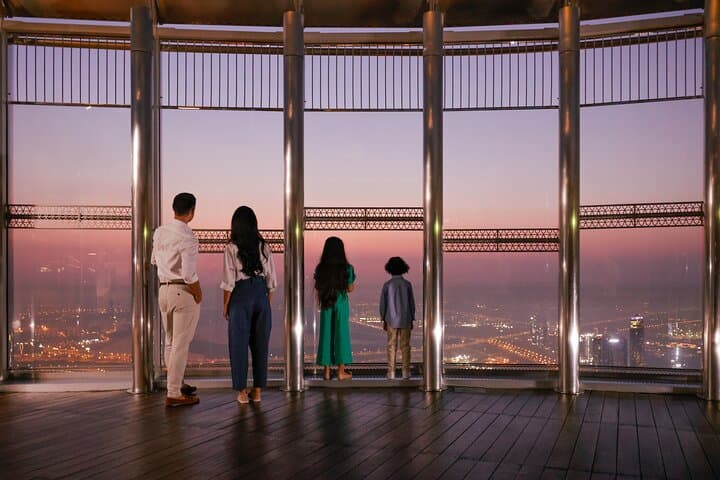
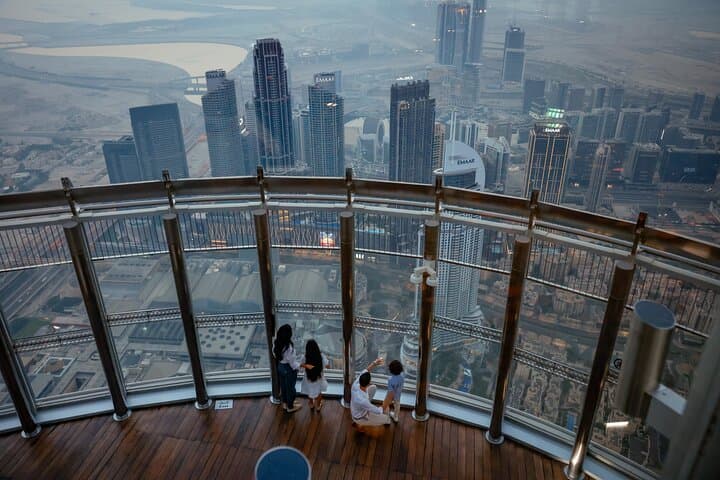
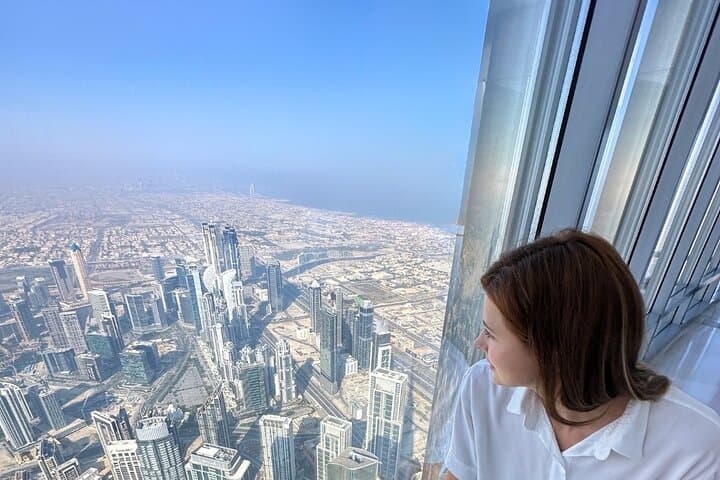
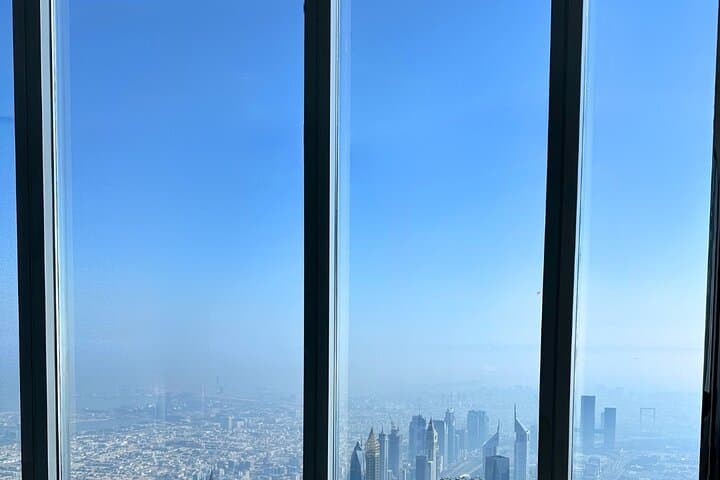
Standing on Level 124’s outdoor terrace, the city spreads beneath you—rows of glass and concrete refract the light while the Arabian Gulf pins the horizon. The ascent itself is cinematic: the world’s fastest elevator pulses upward, closing the gap between street noise and high-altitude silence as Dubai’s blocks compress into a model.
Standing on Level 124’s outdoor terrace, the city spreads beneath you—rows of glass and concrete refract the light while the Arabian Gulf pins the horizon. The ascent itself is cinematic: the world’s fastest elevator pulses upward, closing the gap between street noise and high-altitude silence as Dubai’s blocks compress into a model.
Opened in 2010 and designed by Adrian Smith at SOM, Burj Khalifa redefined Dubai’s skyline and still holds the global record for height. Its stepped, spiraling form draws from regional architectural motifs and sits on a deep reinforced concrete foundation engineered to handle extreme loads and coastal soils. The tower is both an engineering milestone and a cultural landmark; from the deck you can pick out the Palm Jumeirah, Burj Al Arab and the choreographed Dubai Fountain below.
Levels 124 and 125 mix indoor galleries, high-powered telescopes and an exposed terrace at about 456 meters. Interactive exhibits explain construction techniques; glass-floor moments (when available) add a jolt of vertigo. Sunset is the city’s golden reveal, but mornings often deliver the clearest air. Expect security screening and timed entry—book your slot to avoid queues.
Practical guidance: wear light, breathable clothes and comfortable shoes for standing; bring sun protection and a small water bottle in summer. Phone and camera setups should account for reflective glass and crowded viewpoints. Allow 60–120 minutes to ride the elevator, explore exhibits, use the telescopes and savor views—more if you time it for sunset.