THE ADVENTURE COLLECTIVE® · Independent discovery and booking for outdoor travel

Ride the world’s fastest elevators to a 555-meter open-air terrace and three observation levels for 360° panoramas of Dubai. This guide explains what to expect, the best times to visit, and practical tips to make your visit smooth.
Ride the world’s fastest elevators to a 555-meter open-air terrace and three observation levels for 360° panoramas of Dubai. This guide explains what to expect, the best times to visit, and practical tips to make your visit smooth.
You step from the air-conditioned concourse into a glassy shaft and, within seconds, the city slips away beneath you. The double-deck elevator hums and climbs at world-record speed; outside the windows Dubai compresses into geometry—highways, palms, the glitter of the creek—until you step onto an open-air terrace 555 meters above sea level and the wind makes the desert feel like it's reaching up to greet you.
Verified experiences and guided adventures in the surrounding area.
Operated by Dream Fly Tourism LLC · Dubai, Dubai
You step from the air-conditioned concourse into a glassy shaft and, within seconds, the city slips away beneath you. The double-deck elevator hums and climbs at world-record speed; outside the windows Dubai compresses into geometry—highways, palms, the glitter of the creek—until you step onto an open-air terrace 555 meters above sea level and the wind makes the desert feel like it's reaching up to greet you.
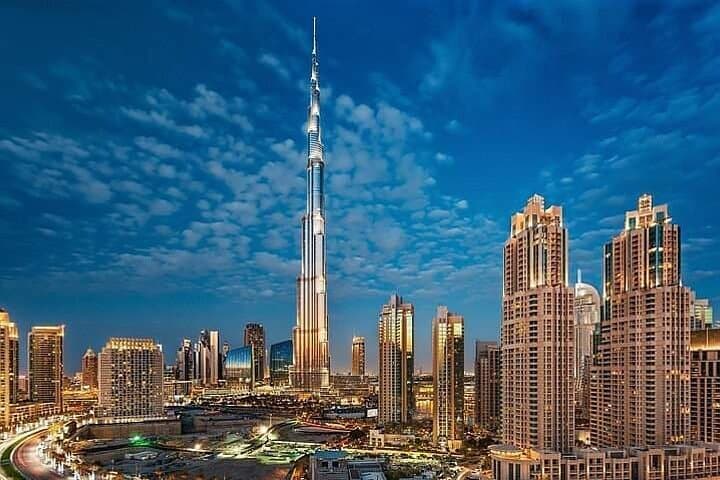
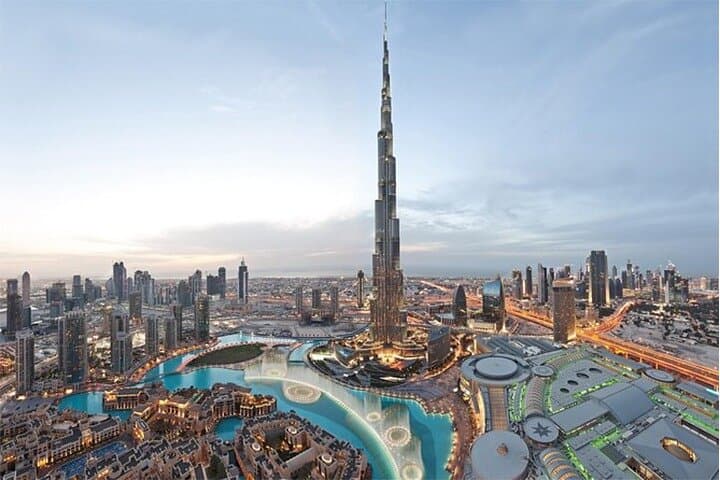
Completed in 2010 and topping out at 828 meters, the Burj Khalifa redefined vertical urbanism and Downtown Dubai’s skyline. Architecturally inspired by regional forms and Islamic patterns, its stepped Y-shaped plan shrinks toward the sky; from the towers' observation levels you can read the city’s story—new islands in the Persian Gulf, the ribbon of the Dubai Fountain, and dunes fading east toward the Empty Quarter.
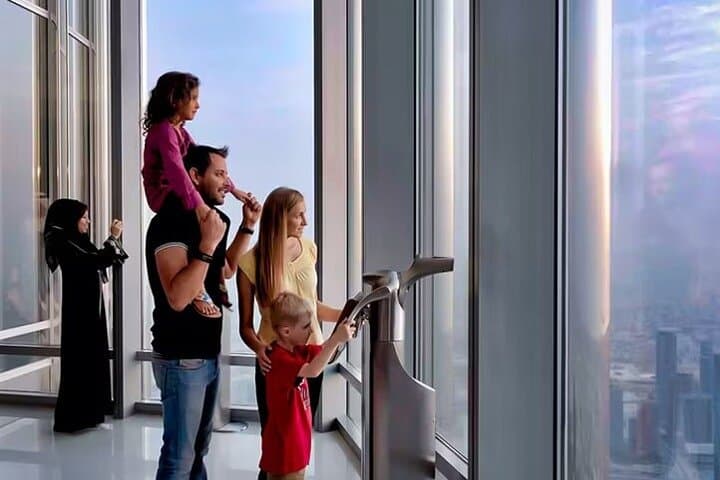
Levels 124 and 125 provide spacious, climate-controlled decks with Arabic mashrabiya-inspired design and high-powered telescopes; Level 148 is a smaller VIP terrace with a partial open-air experience and curated exhibits that explain the tower’s engineering and cultural place. Interactive stations and accelerative elevators make the trip informative as well as dramatic.
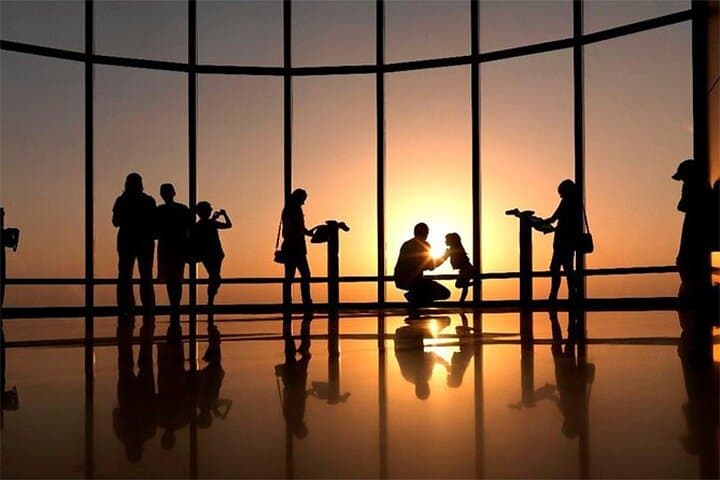
Plan around light and visibility: sunrise and late-afternoon offer the richest color and softer air, while mid-afternoon can be hazy. Arrive early with your timed ticket, leave bulky bags behind to move through security quickly, and allow 60–120 minutes to explore exhibits and take photos. Wear comfortable shoes, carry water, and expect wind on the outdoor terrace—this is an urban summit that rewards patience and timing with views that orient you to the scale of Dubai.
easy.
1–2 hours.
Minimal fitness required; visitors should be comfortable standing and walking short distances
Yes—tickets are for timed entry; arrive 15–20 minutes early for security screening and to meet your guest ambassador.
Level 148 includes an open-air terrace at about 555m; expect wind and slightly cooler temperatures than ground level.
The Burj Khalifa observatories provide step-free access and elevators; guests with special requirements should note them during booking for assistance.
Infants are allowed but are required to sit on an adult’s lap during the visit; family-friendly facilities are available in the complex.
The Burj Khalifa was completed in 2010 as part of the Downtown Dubai development; its design blends Islamic geometric patterns with modern engineering to achieve its record height.
High visitor numbers and the building’s energy footprint require careful management—follow venue guidelines, avoid littering, and use water sparingly in the mall and tower complex.
Dream Fly Tourism LLC operates guided outdoor trips and adventures with an emphasis on safety, stewardship, and memorable experiences.
You step from the air-conditioned concourse into a glassy shaft and, within seconds, the city slips away beneath you. The double-deck elevator hums and climbs at world-record speed; outside the windows Dubai compresses into geometry—highways, palms, the glitter of the creek—until you step onto an open-air terrace 555 meters above sea level and the wind makes the desert feel like it's reaching up to greet you.
You step from the air-conditioned concourse into a glassy shaft and, within seconds, the city slips away beneath you. The double-deck elevator hums and climbs at world-record speed; outside the windows Dubai compresses into geometry—highways, palms, the glitter of the creek—until you step onto an open-air terrace 555 meters above sea level and the wind makes the desert feel like it's reaching up to greet you.
Completed in 2010 and topping out at 828 meters, the Burj Khalifa redefined vertical urbanism and Downtown Dubai’s skyline. Architecturally inspired by regional forms and Islamic patterns, its stepped Y-shaped plan shrinks toward the sky; from the towers' observation levels you can read the city’s story—new islands in the Persian Gulf, the ribbon of the Dubai Fountain, and dunes fading east toward the Empty Quarter.
Levels 124 and 125 provide spacious, climate-controlled decks with Arabic mashrabiya-inspired design and high-powered telescopes; Level 148 is a smaller VIP terrace with a partial open-air experience and curated exhibits that explain the tower’s engineering and cultural place. Interactive stations and accelerative elevators make the trip informative as well as dramatic.
Plan around light and visibility: sunrise and late-afternoon offer the richest color and softer air, while mid-afternoon can be hazy. Arrive early with your timed ticket, leave bulky bags behind to move through security quickly, and allow 60–120 minutes to explore exhibits and take photos. Wear comfortable shoes, carry water, and expect wind on the outdoor terrace—this is an urban summit that rewards patience and timing with views that orient you to the scale of Dubai.