THE ADVENTURE COLLECTIVE® · Independent discovery and booking for outdoor travel

Ascend to Levels 124 and 125 of the Burj Khalifa with private transfer and enjoy panoramic views of Dubai’s skyline, desert, and coast. This focused, accessible visit pairs fast elevators and informative exhibits with practical tips on timing, accessibility, and what to bring.
Ascend to Levels 124 and 125 of the Burj Khalifa with private transfer and enjoy panoramic views of Dubai’s skyline, desert, and coast. This focused, accessible visit pairs fast elevators and informative exhibits with practical tips on timing, accessibility, and what to bring.
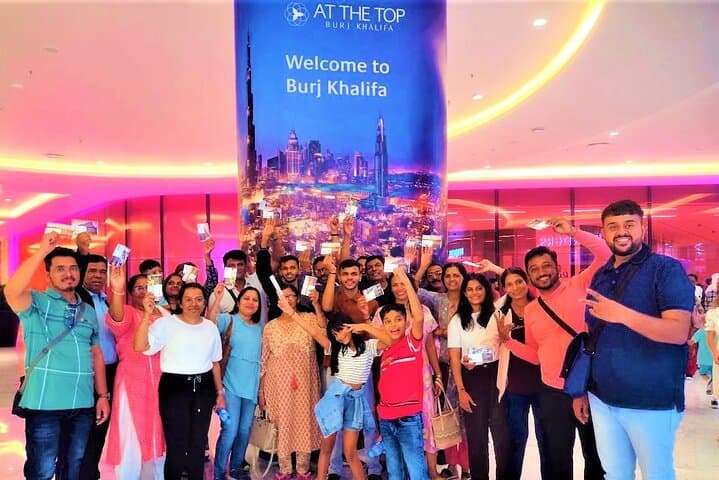
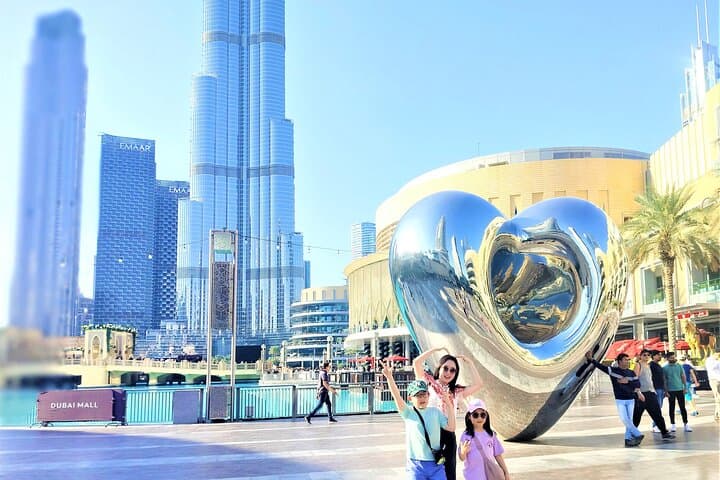
You step out of a luxury private vehicle onto a broad plaza where glass and metal meet the desert sun. The Burj Khalifa rises ahead—an engineered spine of steel and glass that directs your gaze upward until the city becomes a pattern of streets and shoreline. A concierge escorts you past the mall bustle and into high-speed elevators; in minutes you are above the pulsing grid of Dubai, watching the coastline and the desert unfurl like two different maps.
Verified experiences and guided adventures in the surrounding area.
Operated by Muhammad Rafiq Faisal · Dubai, Dubai
You step out of a luxury private vehicle onto a broad plaza where glass and metal meet the desert sun. The Burj Khalifa rises ahead—an engineered spine of steel and glass that directs your gaze upward until the city becomes a pattern of streets and shoreline. A concierge escorts you past the mall bustle and into high-speed elevators; in minutes you are above the pulsing grid of Dubai, watching the coastline and the desert unfurl like two different maps.
The tower opened in 2010 and, at 828 meters, redefined what a modern skyline could be. Its stepped Y-shaped plan is driven by wind engineering and high-strength concrete; the observation decks on levels 124 and 125 pair panoramic windows with exhibits that explain the building’s construction and Dubai’s hyper-growth over recent decades. Nearby, Dubai’s cultural mix—from Emirati heritage to migrant communities—shapes the food, fashion, and hospitality you’ll notice in the plaza and surrounding districts.
Plan practical details: aim for early morning or late afternoon for softer light and clearer vistas; sunset draws crowds and changes the skyline’s contrast. Accessibility is strong—wheelchair routes and elevators are provided—yet expect security screening and moderate walking. Bring sun protection for outside terraces, a charged camera for long-distance shots, and comfortable shoes for walking within Dubai Mall before and after the visit. Keep hydration in mind in summer, and allow 2–3 hours for pickup, visit, and return.
This experience is less about exertion and more about perspective: the city’s geometry, the interplay of sea and sand, and a concise lesson in 21st-century urban ambition.
easy.
2–3 hours.
Suitable for all fitness levels; involves short walks and standing for views
Yes—levels 124 and 125 and public routes to the observation decks are wheelchair accessible; inform the operator at booking for assistance.
Early morning or late afternoon generally offers clearer air; sunset provides dramatic lighting but has larger crowds.
This private package includes mobile tickets for levels 124 and 125 plus private pick-up and drop-off in Dubai as described in the booking details.
There is no formal dress code, but modest, climate-appropriate clothing is recommended in public areas and for cultural respect.
Completed in 2010 by Emaar Properties, the Burj Khalifa became the world’s tallest building and a focal point of Dubai’s rapid 21st-century expansion.
Visitor management and energy-efficiency retrofits help reduce impact; travelers are encouraged to follow signage, avoid littering, and use public transit where possible.
Muhammad Rafiq Faisal operates guided outdoor trips and adventures with an emphasis on safety, stewardship, and memorable experiences.
You step out of a luxury private vehicle onto a broad plaza where glass and metal meet the desert sun. The Burj Khalifa rises ahead—an engineered spine of steel and glass that directs your gaze upward until the city becomes a pattern of streets and shoreline. A concierge escorts you past the mall bustle and into high-speed elevators; in minutes you are above the pulsing grid of Dubai, watching the coastline and the desert unfurl like two different maps.
You step out of a luxury private vehicle onto a broad plaza where glass and metal meet the desert sun. The Burj Khalifa rises ahead—an engineered spine of steel and glass that directs your gaze upward until the city becomes a pattern of streets and shoreline. A concierge escorts you past the mall bustle and into high-speed elevators; in minutes you are above the pulsing grid of Dubai, watching the coastline and the desert unfurl like two different maps.
The tower opened in 2010 and, at 828 meters, redefined what a modern skyline could be. Its stepped Y-shaped plan is driven by wind engineering and high-strength concrete; the observation decks on levels 124 and 125 pair panoramic windows with exhibits that explain the building’s construction and Dubai’s hyper-growth over recent decades. Nearby, Dubai’s cultural mix—from Emirati heritage to migrant communities—shapes the food, fashion, and hospitality you’ll notice in the plaza and surrounding districts.
Plan practical details: aim for early morning or late afternoon for softer light and clearer vistas; sunset draws crowds and changes the skyline’s contrast. Accessibility is strong—wheelchair routes and elevators are provided—yet expect security screening and moderate walking. Bring sun protection for outside terraces, a charged camera for long-distance shots, and comfortable shoes for walking within Dubai Mall before and after the visit. Keep hydration in mind in summer, and allow 2–3 hours for pickup, visit, and return.
This experience is less about exertion and more about perspective: the city’s geometry, the interplay of sea and sand, and a concise lesson in 21st-century urban ambition.