THE ADVENTURE COLLECTIVE® · Independent discovery and booking for outdoor travel

Ride a glass elevator to 124–125 floors for sweeping views of Dubai’s skyline, desert, and sea. This guide covers what to expect, practical tips for timing and accessibility, and how to make the most of your visit.
Ride a glass elevator to 124–125 floors for sweeping views of Dubai’s skyline, desert, and sea. This guide covers what to expect, practical tips for timing and accessibility, and how to make the most of your visit.
Visitors step into a glass elevator that rockets upward at 10 m/s, the city shrinking beneath a mosaic of sun-baked glass and shimmering water. By the time the doors open you’re on the 124th and 125th floors, where floor-to-ceiling windows and an outdoor terrace present Dubai like a map accelerated: the desert pushing toward the ocean, towers clustering like a driven flock.
Verified experiences and guided adventures in the surrounding area.
Operated by Royal Smart Tourism · Dubai, Dubai
Visitors step into a glass elevator that rockets upward at 10 m/s, the city shrinking beneath a mosaic of sun-baked glass and shimmering water. By the time the doors open you’re on the 124th and 125th floors, where floor-to-ceiling windows and an outdoor terrace present Dubai like a map accelerated: the desert pushing toward the ocean, towers clustering like a driven flock.
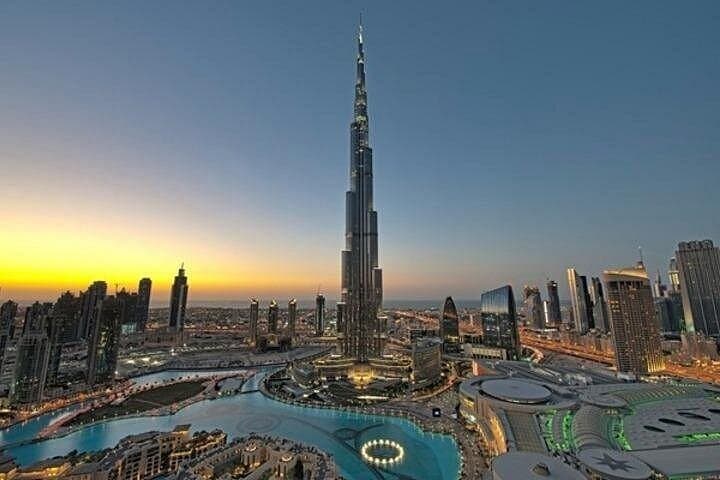
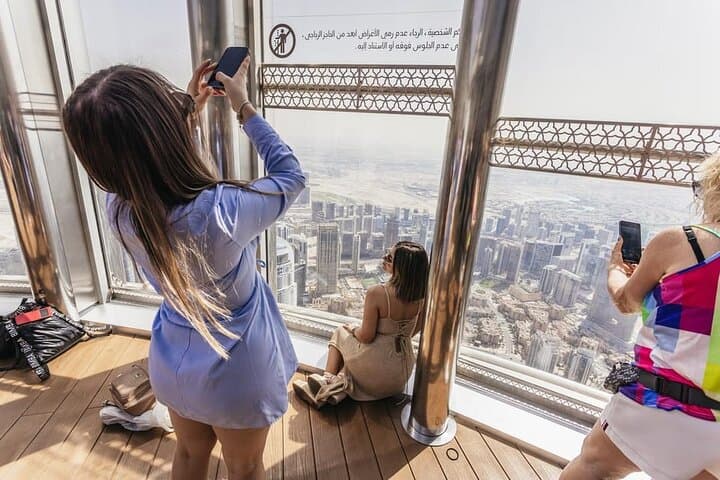
The Burj Khalifa opened in 2010 and reshaped the skyline and Dubai’s global identity. Geologically, the tower sits on compacted coastal sands reclaimed and reinforced—an engineered stake into the Persian Gulf’s fringe. Culturally, the observation decks translate Dubai’s appetite for scale into accessible spectacle; telescopes, green-screen photo ops and Arabic mashrabiya décor on Level 125 frame both tradition and modernity.
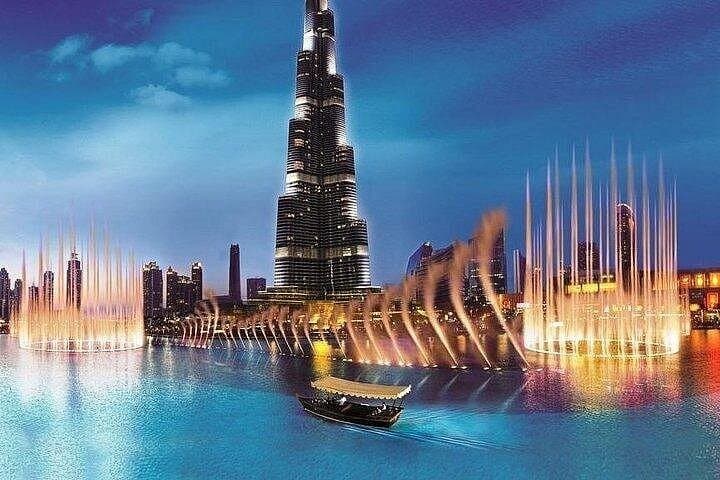
Expect a mix of architectural close-ups and wide, distant views: the Dubai Fountain basin below, the glitter of Dubai Marina, and the desert plateau that seems to dare the city to grow. Staffed Guest Ambassadors provide orientation; telescopes and a partial glass floor add vertiginous detail.
Practical guidance: timed-entry tickets are enforced—arrive 30 minutes early at the Lower Ground of Dubai Mall. Bring photo ID for entry and dress for strong sunlight when you step onto the terrace. Peak light is sunset; mornings are clearer and cooler. Accessibility is strong—stroller and wheelchair-friendly routes are available—but visitors with cardiovascular or spinal issues should heed medical warnings. Hydrate in advance and use the Dubai Metro and mall access to avoid traffic. With a little planning, the At The Top experience is a compact, high-altitude primer on Dubai’s scale and speed.
easy.
1–2 hours.
Suitable for most fitness levels; minimal physical exertion required beyond standing and short walks.
No—mobile tickets are accepted. E-tickets are typically emailed by one day before or 30 minutes for same-day bookings; have the barcode ready on your device.
Yes—children are permitted but must be accompanied by an adult at all times for safety.
Yes, but access may be restricted for technical reasons or extreme weather; check the operator’s notice if conditions appear severe.
Yes—the facility and transfer routes are wheelchair accessible; staff can assist with boarding and movement through designated routes.
Completed in 2010 and designed by architect Adrian Smith, the Burj Khalifa became the tallest building in the world and a focal point of Downtown Dubai’s rapid urban expansion.
The site emphasizes accessibility and crowd management; visitors are encouraged to use public transit to reduce traffic and to follow signage to minimize wear on viewing areas.
Royal Smart Tourism operates guided outdoor trips and adventures with an emphasis on safety, stewardship, and memorable experiences.
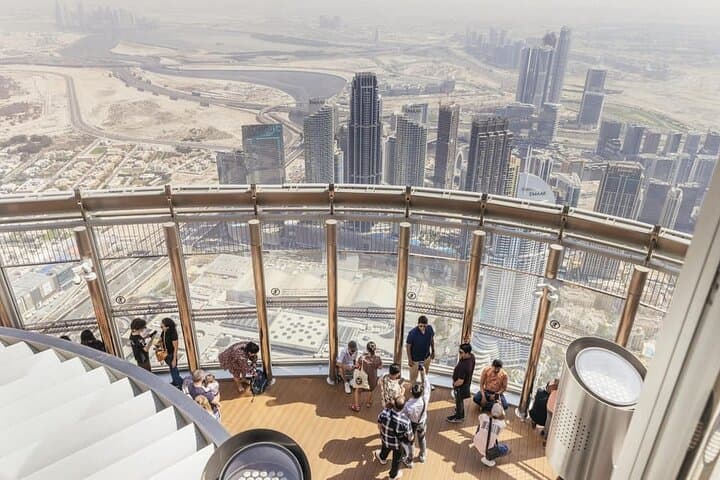
Visitors step into a glass elevator that rockets upward at 10 m/s, the city shrinking beneath a mosaic of sun-baked glass and shimmering water. By the time the doors open you’re on the 124th and 125th floors, where floor-to-ceiling windows and an outdoor terrace present Dubai like a map accelerated: the desert pushing toward the ocean, towers clustering like a driven flock.
Visitors step into a glass elevator that rockets upward at 10 m/s, the city shrinking beneath a mosaic of sun-baked glass and shimmering water. By the time the doors open you’re on the 124th and 125th floors, where floor-to-ceiling windows and an outdoor terrace present Dubai like a map accelerated: the desert pushing toward the ocean, towers clustering like a driven flock.
The Burj Khalifa opened in 2010 and reshaped the skyline and Dubai’s global identity. Geologically, the tower sits on compacted coastal sands reclaimed and reinforced—an engineered stake into the Persian Gulf’s fringe. Culturally, the observation decks translate Dubai’s appetite for scale into accessible spectacle; telescopes, green-screen photo ops and Arabic mashrabiya décor on Level 125 frame both tradition and modernity.
Expect a mix of architectural close-ups and wide, distant views: the Dubai Fountain basin below, the glitter of Dubai Marina, and the desert plateau that seems to dare the city to grow. Staffed Guest Ambassadors provide orientation; telescopes and a partial glass floor add vertiginous detail.
Practical guidance: timed-entry tickets are enforced—arrive 30 minutes early at the Lower Ground of Dubai Mall. Bring photo ID for entry and dress for strong sunlight when you step onto the terrace. Peak light is sunset; mornings are clearer and cooler. Accessibility is strong—stroller and wheelchair-friendly routes are available—but visitors with cardiovascular or spinal issues should heed medical warnings. Hydrate in advance and use the Dubai Metro and mall access to avoid traffic. With a little planning, the At The Top experience is a compact, high-altitude primer on Dubai’s scale and speed.