THE ADVENTURE COLLECTIVE® · Independent discovery and booking for outdoor travel

Take in Dubai from the Burj Khalifa’s observation decks—options range from the 124/125 outdoor terraces to the world-highest Sky Lounge. This guide explains what to expect, when to go, and how to prepare for the view.
Take in Dubai from the Burj Khalifa’s observation decks—options range from the 124/125 outdoor terraces to the world-highest Sky Lounge. This guide explains what to expect, when to go, and how to prepare for the view.
Standing on a glass-fronted terrace 456 meters above the city, the air feels thinner and the geometry of Dubai unfolds—gridwork highways, the curling ribbon of the coastline, and the engineered green of palm-fringed islands. The elevators climb with a soft, decisive thrust and the city opens like a map beneath you.
Verified experiences and guided adventures in the surrounding area.
Operated by Dubai Tourism Agency · Dubai, Dubai
Standing on a glass-fronted terrace 456 meters above the city, the air feels thinner and the geometry of Dubai unfolds—gridwork highways, the curling ribbon of the coastline, and the engineered green of palm-fringed islands. The elevators climb with a soft, decisive thrust and the city opens like a map beneath you.
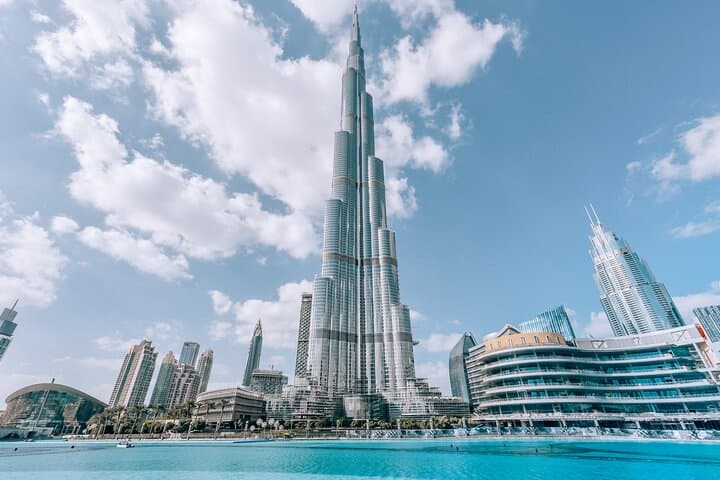
Completed in 2010, the Burj Khalifa redefined the skyline and Dubai’s ambitions. Engineered from reinforced concrete and steel, the tower sits on Pleistocene-era coastal sediments reclaimed and compacted to take enormous loads. Culturally, the building is both a modern landmark and a focal point for Dubai’s rapid urban growth; the adjacent Dubai Mall and Fountain choreograph public life at its base.
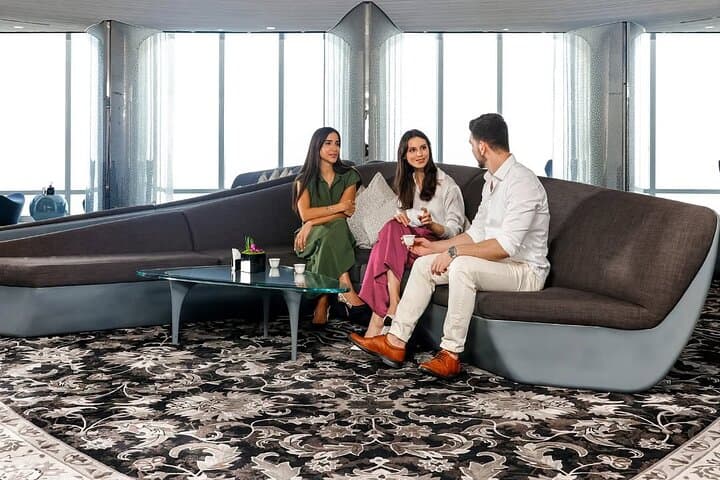
Visitors can choose access to levels 124/125, the higher 148th-floor platform, or the exclusive Sky Lounge on 152–154. Telescopes and interpretive panels orient you to landmarks—Palm Jumeirah, Dubai Marina, the Creek—while a VR experience and multimedia exhibits explain construction and design. The outdoor terrace on 148 provides the clearest lines for sunrise and sunset photography; early morning light cuts the heat and crowds.
Plan for airport-style security and a short wait even with advance tickets; bring a lightweight layer for gusts on the terrace and a charged phone for wide-angle shots. Public transit reaches Dubai Mall, but private transfer options reduce walking. Peak times are sunset and evening; booking a specific time slot controls the crowd around key viewpoints. The visit is visual and logistical: a compact, high-altitude encounter with an engineered skyline that demands good timing and simple preparation.
easy.
60–90 minutes.
Suitable for all fitness levels; mainly walking and standing on paved surfaces
No; mobile tickets are accepted—have your booking ready on your phone to scan at entry.
Access depends on the option purchased—check whether your ticket includes 124/125, 148, or the Sky Lounge levels.
Yes; infants must sit on a guardian’s lap and all children should be supervised on outdoor platforms.
There is usually a short wait for security and elevators; timed tickets reduce queue time but expect brief processing.
The Burj Khalifa opened in 2010 and was designed by architect Adrian Smith; it anchors a larger downtown redevelopment anchored by the Dubai Mall and fountain.
The tower uses condensate recovery and high-performance glazing to reduce water and energy loads; visitors are encouraged to minimize single-use plastics and use existing refill points.
Dubai Tourism Agency operates guided outdoor trips and adventures with an emphasis on safety, stewardship, and memorable experiences.
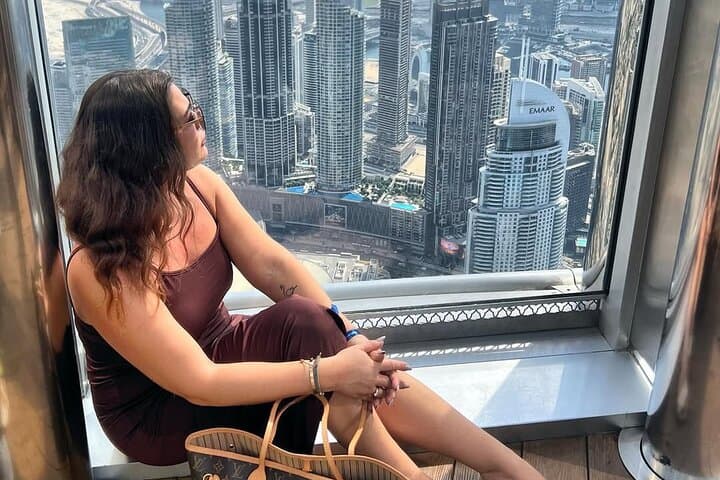
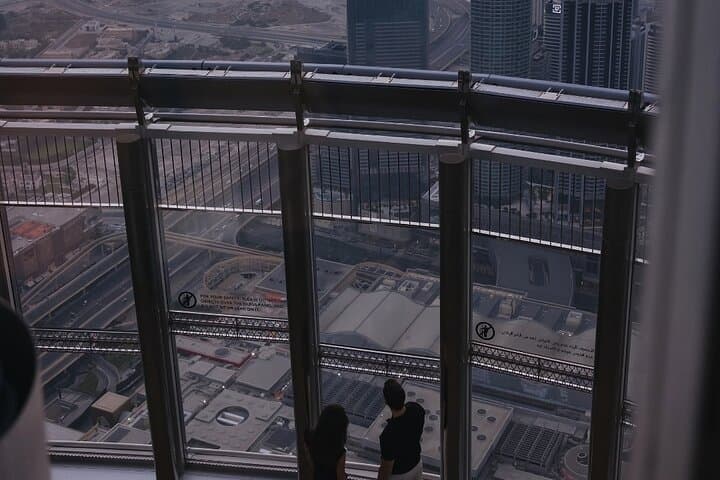
Standing on a glass-fronted terrace 456 meters above the city, the air feels thinner and the geometry of Dubai unfolds—gridwork highways, the curling ribbon of the coastline, and the engineered green of palm-fringed islands. The elevators climb with a soft, decisive thrust and the city opens like a map beneath you.
Standing on a glass-fronted terrace 456 meters above the city, the air feels thinner and the geometry of Dubai unfolds—gridwork highways, the curling ribbon of the coastline, and the engineered green of palm-fringed islands. The elevators climb with a soft, decisive thrust and the city opens like a map beneath you.
Completed in 2010, the Burj Khalifa redefined the skyline and Dubai’s ambitions. Engineered from reinforced concrete and steel, the tower sits on Pleistocene-era coastal sediments reclaimed and compacted to take enormous loads. Culturally, the building is both a modern landmark and a focal point for Dubai’s rapid urban growth; the adjacent Dubai Mall and Fountain choreograph public life at its base.
Visitors can choose access to levels 124/125, the higher 148th-floor platform, or the exclusive Sky Lounge on 152–154. Telescopes and interpretive panels orient you to landmarks—Palm Jumeirah, Dubai Marina, the Creek—while a VR experience and multimedia exhibits explain construction and design. The outdoor terrace on 148 provides the clearest lines for sunrise and sunset photography; early morning light cuts the heat and crowds.
Plan for airport-style security and a short wait even with advance tickets; bring a lightweight layer for gusts on the terrace and a charged phone for wide-angle shots. Public transit reaches Dubai Mall, but private transfer options reduce walking. Peak times are sunset and evening; booking a specific time slot controls the crowd around key viewpoints. The visit is visual and logistical: a compact, high-altitude encounter with an engineered skyline that demands good timing and simple preparation.