THE ADVENTURE COLLECTIVE® · Independent discovery and booking for outdoor travel

Ascend to Level 124 and 125 at prime time for sunset views from the world’s tallest building. This guide covers what to expect—logistics, best light, and practical tips to make the most of your Burj Khalifa visit.
Ascend to Level 124 and 125 at prime time for sunset views from the world’s tallest building. This guide covers what to expect—logistics, best light, and practical tips to make the most of your Burj Khalifa visit.
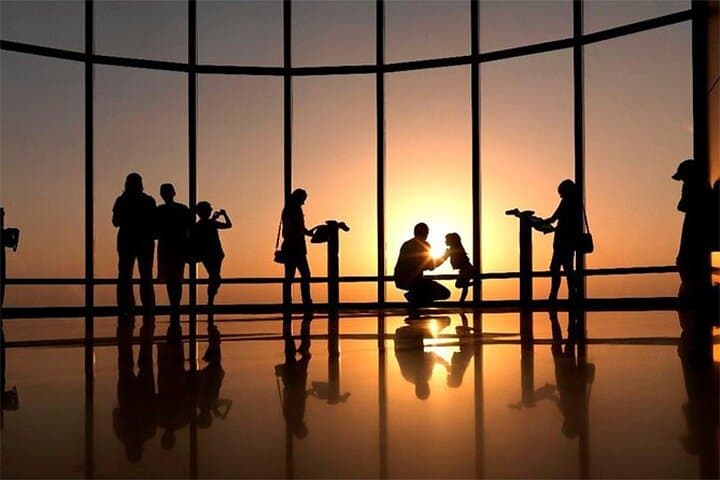
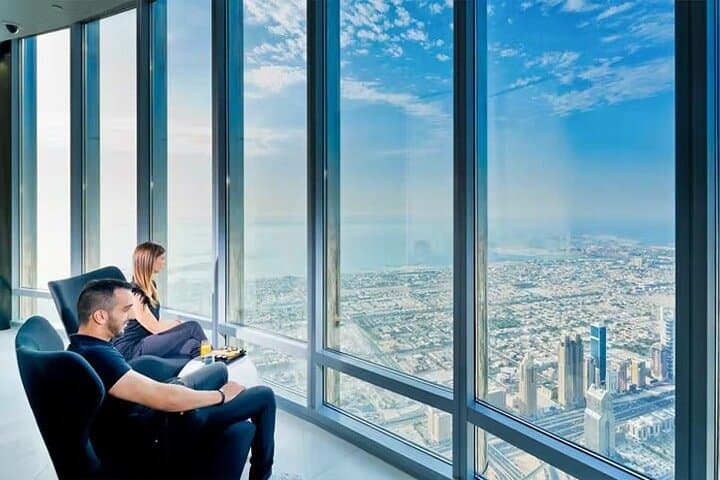
You press your back to cool glass and the city opens—endless honeycomb of lights, geometry of roads, the Arabian Gulf silvering toward the horizon. The high-speed elevator shrinks a 124-floor climb into a stomach-tingling minute; when the doors slide open on Level 124, the wind and light feel like a new element to navigate.
Verified experiences and guided adventures in the surrounding area.
Operated by Dream Fly Tourism LLC · Dubai, Dubai
You press your back to cool glass and the city opens—endless honeycomb of lights, geometry of roads, the Arabian Gulf silvering toward the horizon. The high-speed elevator shrinks a 124-floor climb into a stomach-tingling minute; when the doors slide open on Level 124, the wind and light feel like a new element to navigate.
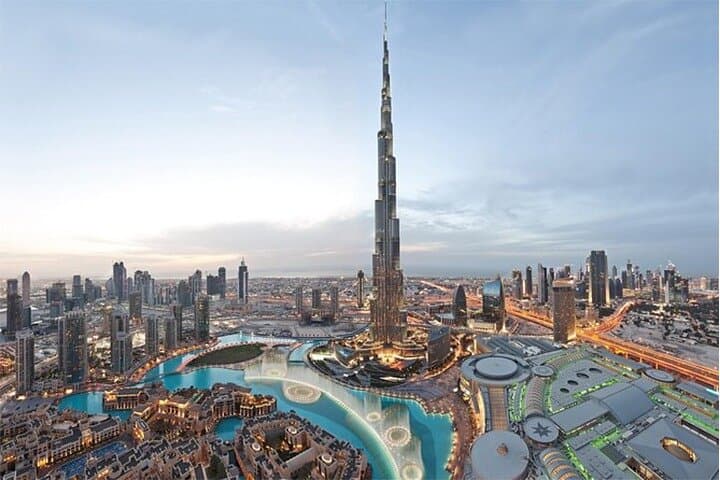
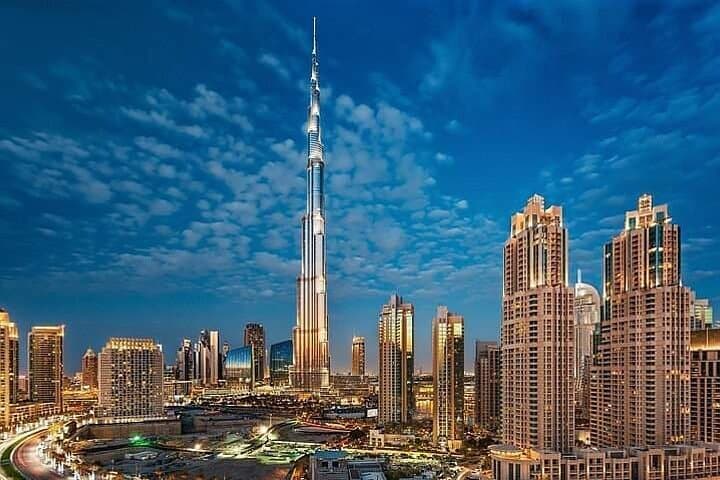
The Burj Khalifa rose from Dubai’s desert ambition and opened in 2010 as the tallest structure on earth. Designed by Adrian Smith, its stepped Y-shaped core references local wind patterns and Islamic architectural motifs; the tower sits on reclaimed coastal plain rather than a natural peak, so what you’re reading is more human engineering than geology. The building is a modern cultural marker—visitors peer down at the city that grew from pearl-diving ports to global trade and tourism in decades.
Practically, prime-time access means sunset light and fewer crowds than midday. Expect security screening, digital ticket scanning, and short queues for telescopes on the observation deck. Telescopes and information panels identify landmarks: Palm Jumeirah, Dubai Marina, and the glittering stretch of Sheikh Zayed Road.
Plan to arrive 15–30 minutes early, carry ID for ticket verification, and keep bags small; tripods and drones are not permitted. Photography is straightforward but watch for reflective glass—shade your lens in bright conditions. The decks are accessible for most visitors; elevators and ramps minimize walking, but you’ll stand for panoramic views.
End your visit by stepping back down into the Dubai Mall precinct—there are vantage points at Burj Park and the fountain promenade that offer alternate angles for sunset photos.
easy.
1–2 hours.
Minimal; must be able to stand and walk short distances and negotiate elevator platforms.
No; mobile tickets are accepted—have the booking confirmation and a photo ID ready for verification.
Yes; the At The Top decks and elevators provide step-free access and designated viewing areas for wheelchair users.
You can view the fountain from Levels 124/125, though ground-level vantage points at the promontory give a closer, dramatic perspective.
Tripods and large professional equipment are generally restricted—check rules in advance or arrange special permits through the venue for commercial shoots.
Completed in 2010 and designed by Adrian Smith, the Burj Khalifa became a global symbol of Dubai’s rapid urban transformation and engineering ambition.
Visitor management reduces crowding and wear inside the tower; visitors are encouraged to minimize waste, use public transit, and respect site rules to limit environmental impact.
Dream Fly Tourism LLC operates guided outdoor trips and adventures with an emphasis on safety, stewardship, and memorable experiences.
You press your back to cool glass and the city opens—endless honeycomb of lights, geometry of roads, the Arabian Gulf silvering toward the horizon. The high-speed elevator shrinks a 124-floor climb into a stomach-tingling minute; when the doors slide open on Level 124, the wind and light feel like a new element to navigate.
You press your back to cool glass and the city opens—endless honeycomb of lights, geometry of roads, the Arabian Gulf silvering toward the horizon. The high-speed elevator shrinks a 124-floor climb into a stomach-tingling minute; when the doors slide open on Level 124, the wind and light feel like a new element to navigate.
The Burj Khalifa rose from Dubai’s desert ambition and opened in 2010 as the tallest structure on earth. Designed by Adrian Smith, its stepped Y-shaped core references local wind patterns and Islamic architectural motifs; the tower sits on reclaimed coastal plain rather than a natural peak, so what you’re reading is more human engineering than geology. The building is a modern cultural marker—visitors peer down at the city that grew from pearl-diving ports to global trade and tourism in decades.
Practically, prime-time access means sunset light and fewer crowds than midday. Expect security screening, digital ticket scanning, and short queues for telescopes on the observation deck. Telescopes and information panels identify landmarks: Palm Jumeirah, Dubai Marina, and the glittering stretch of Sheikh Zayed Road.
Plan to arrive 15–30 minutes early, carry ID for ticket verification, and keep bags small; tripods and drones are not permitted. Photography is straightforward but watch for reflective glass—shade your lens in bright conditions. The decks are accessible for most visitors; elevators and ramps minimize walking, but you’ll stand for panoramic views.
End your visit by stepping back down into the Dubai Mall precinct—there are vantage points at Burj Park and the fountain promenade that offer alternate angles for sunset photos.