THE ADVENTURE COLLECTIVE® · Independent discovery and booking for outdoor travel

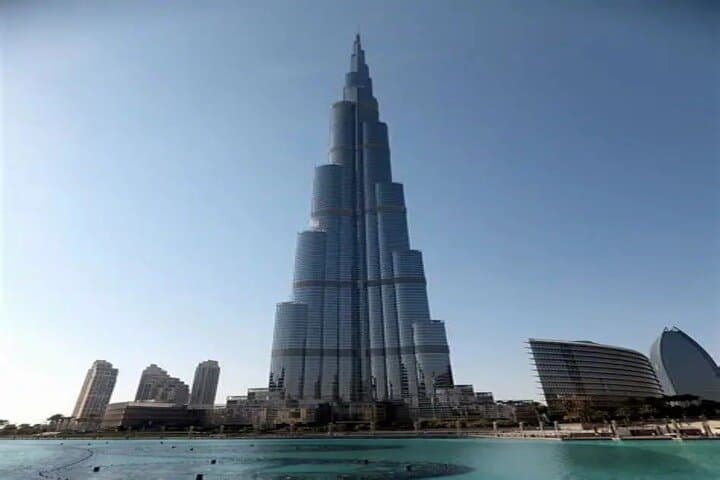
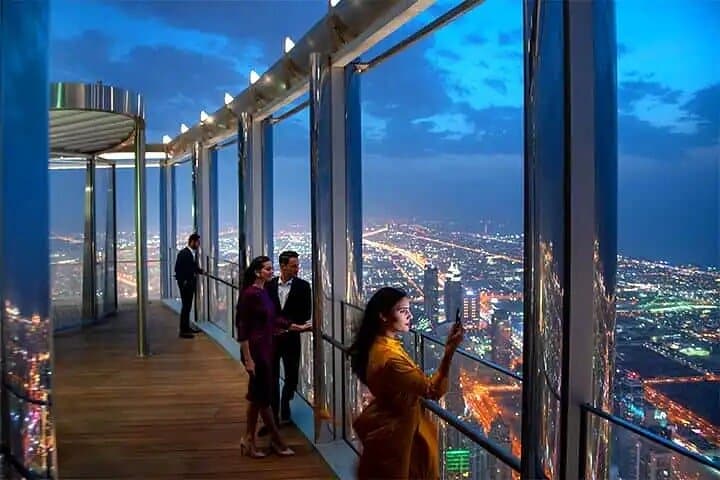
Ride a high-speed elevator to levels 124 and 125 of the Burj Khalifa for sweeping views of Dubai, the Gulf and the desert horizon. This timed-entry experience is accessible, photogenic, and best booked for sunset or quieter morning slots.
Ride a high-speed elevator to levels 124 and 125 of the Burj Khalifa for sweeping views of Dubai, the Gulf and the desert horizon. This timed-entry experience is accessible, photogenic, and best booked for sunset or quieter morning slots.
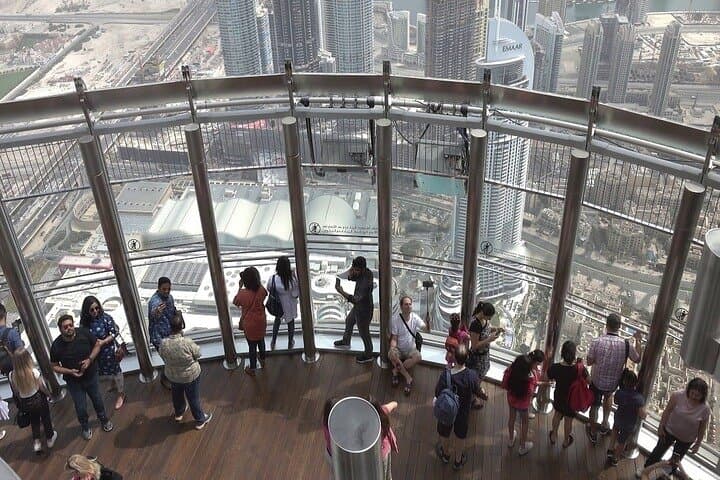
You step into a chrome capsule and the city blinks away — one moment the Dubai Mall floor tiles are underfoot, the next you’re rushing past glass and steel toward the sky. The elevator climbs with a quiet urgency; within a minute you’re 452 meters up. From levels 124 and 125, the Arabian Gulf and the desert horizon spread like a map, the Dubai Fountain chiseling patterns below and high-rises shrinking into geometry.
Verified experiences and guided adventures in the surrounding area.
Operated by The Travel Mart FZE · Dubai, Dubai
You step into a chrome capsule and the city blinks away — one moment the Dubai Mall floor tiles are underfoot, the next you’re rushing past glass and steel toward the sky. The elevator climbs with a quiet urgency; within a minute you’re 452 meters up. From levels 124 and 125, the Arabian Gulf and the desert horizon spread like a map, the Dubai Fountain chiseling patterns below and high-rises shrinking into geometry.
Opened in 2010 and designed by Adrian Smith, the Burj Khalifa redefined modern skylines and doubled as a milestone in Dubai’s rapid urban expansion. Geologically, you’re viewing a city built on coastal plains and sand, where engineered waterways and reclaimed land meet ancient desert. Culturally, the tower is a focal point for New Year’s displays and local pride — a vertical landmark that’s both public viewing platform and engineered icon.
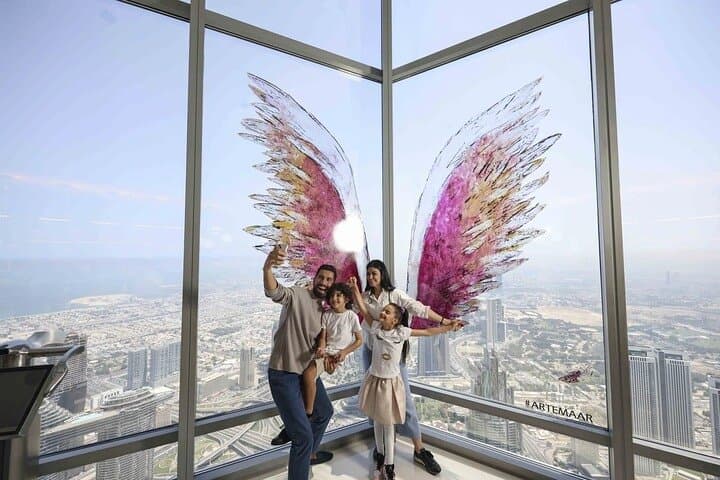
Practical details matter here: tickets grant timed entry and a fast elevator — visits typically take 60–120 minutes. Windows and an outdoor terrace offer different photo angles; telescopes are available. The site is wheelchair- and stroller-accessible and served by public transit at Dubai Mall/Burj Khalifa station. Peak sunset hours fill quickly; mid-morning visits are quieter and clearer.
Bring sun protection and a charged camera, plan for security queues, and allow extra time to explore the plaza and the Dubai Fountain after your visit. Whether you’re chasing golden-hour light or a clear daytime panorama, the At The Top experience is a pragmatic way to see Dubai from above — immediate, precise, unforgettable.
easy.
1–2 hours.
No special fitness required; accessible for most visitors including those using wheelchairs
Tickets are timed but most visitors spend 60–120 minutes including elevator ride, viewing, photo time, and visiting the outdoor terrace.
Yes — levels 124 and 125 and outdoor terrace areas are wheelchair accessible, with elevators and accessible surfaces.
There is no full-service restaurant on levels 124/125, but The Café by Emaar is located at ground level; bottled water is available on-site.
This ticket is typically sold as all sales final; check the booking terms before purchase as refunds are not generally available.
Completed in 2010, the Burj Khalifa became the world’s tallest building and anchors Dubai’s rapid 21st-century urban development.
High visitor volumes and lighting in the downtown core affect energy and water use; choose public transit, refillable bottles, and follow site rules to minimize impact.
The Travel Mart FZE operates guided outdoor trips and adventures with an emphasis on safety, stewardship, and memorable experiences.
You step into a chrome capsule and the city blinks away — one moment the Dubai Mall floor tiles are underfoot, the next you’re rushing past glass and steel toward the sky. The elevator climbs with a quiet urgency; within a minute you’re 452 meters up. From levels 124 and 125, the Arabian Gulf and the desert horizon spread like a map, the Dubai Fountain chiseling patterns below and high-rises shrinking into geometry.
You step into a chrome capsule and the city blinks away — one moment the Dubai Mall floor tiles are underfoot, the next you’re rushing past glass and steel toward the sky. The elevator climbs with a quiet urgency; within a minute you’re 452 meters up. From levels 124 and 125, the Arabian Gulf and the desert horizon spread like a map, the Dubai Fountain chiseling patterns below and high-rises shrinking into geometry.
Opened in 2010 and designed by Adrian Smith, the Burj Khalifa redefined modern skylines and doubled as a milestone in Dubai’s rapid urban expansion. Geologically, you’re viewing a city built on coastal plains and sand, where engineered waterways and reclaimed land meet ancient desert. Culturally, the tower is a focal point for New Year’s displays and local pride — a vertical landmark that’s both public viewing platform and engineered icon.
Practical details matter here: tickets grant timed entry and a fast elevator — visits typically take 60–120 minutes. Windows and an outdoor terrace offer different photo angles; telescopes are available. The site is wheelchair- and stroller-accessible and served by public transit at Dubai Mall/Burj Khalifa station. Peak sunset hours fill quickly; mid-morning visits are quieter and clearer.
Bring sun protection and a charged camera, plan for security queues, and allow extra time to explore the plaza and the Dubai Fountain after your visit. Whether you’re chasing golden-hour light or a clear daytime panorama, the At The Top experience is a pragmatic way to see Dubai from above — immediate, precise, unforgettable.