THE ADVENTURE COLLECTIVE® · Independent discovery and booking for outdoor travel

Pair a sky-high view from Burj Khalifa’s 124th–125th floors with the seasonal wonder of Dubai Miracle Garden. This guide explains what to expect, when to go, and practical tips to make the most of both stops.
Pair a sky-high view from Burj Khalifa’s 124th–125th floors with the seasonal wonder of Dubai Miracle Garden. This guide explains what to expect, when to go, and practical tips to make the most of both stops.
Step onto the observation deck and the city stretches away in a grid of glass and sand—Burj Khalifa’s 124th and 125th floors flatten the skyline into a living map while the Gulf shimmers on the horizon.
Verified experiences and guided adventures in the surrounding area.
Operated by Trip Ventura · Dubai, Dubai
Step onto the observation deck and the city stretches away in a grid of glass and sand—Burj Khalifa’s 124th and 125th floors flatten the skyline into a living map while the Gulf shimmers on the horizon.
Move from altitude to bloom: the Dubai Miracle Garden flips the script, with sculpted floral arches and walkways that push through vast beds of seasonal blooms. Both attractions illustrate Dubai’s appetite for scale—one vertical, one horticultural.
History and local context: the Burj Khalifa opened in 2010 after a decade-long construction boom that reoriented Dubai as a global hub; the Miracle Garden debuted in 2013 as a seasonal showcase of horticulture in an arid climate. Geologically the city sits on coastal plain and reclaimed land, which informs everything from landscaping to water use.
Culture and practicalities: expect efficient security, timed-entry tickets, and clear signage in English and Arabic. The Burj’s elevators fast-track you up but include queues during peak hours; the garden involves sustained walking on paved and mulched paths.
Planning tips: visit the Burj at first light or late afternoon for softer light and fewer crowds; reserve Miracle Garden for cooler months (typically November–May) and plan 60–120 minutes to wander. Bring sun protection, a refillable water bottle, and a compact camera or binoculars for distant views. Mobility access is available at both sites but check specific elevator and ramp details in advance.
These paired stops give a compact, contrasting day: vertiginous urban panorama and deliberately tamed nature—both engineered, both demanding only basic fitness and common-sense planning.
easy.
5 hours.
Light walking on paved surfaces; suitable for most fitness levels
Yes—Burj Khalifa entry is sold for specific time slots; arrive at least 15–30 minutes early for security checks.
Miracle Garden typically operates seasonally from late autumn to spring (roughly November–May); check current opening dates before planning.
Both attractions have accessibility options—elevators at Burj Khalifa and paved routes in the garden—but contact operators for assistance and exact access points.
Small snacks are usually allowed in garden areas, but large bags and tripods may be restricted; follow site-specific rules and security guidance.
Burj Khalifa opened in 2010 after a construction boom that reshaped Dubai; the Miracle Garden launched in 2013 as a seasonal horticultural showcase in an arid region.
Miracle Garden relies on seasonal plantings and efficient irrigation systems to limit water use; high-visitor sites like these encourage waste management and recycling programs—visitors should follow on-site guidance to minimize impact.
Trip Ventura operates guided outdoor trips and adventures with an emphasis on safety, stewardship, and memorable experiences.
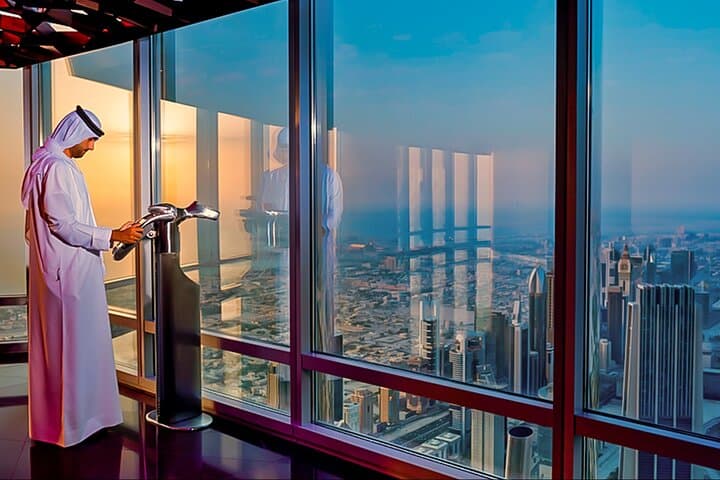

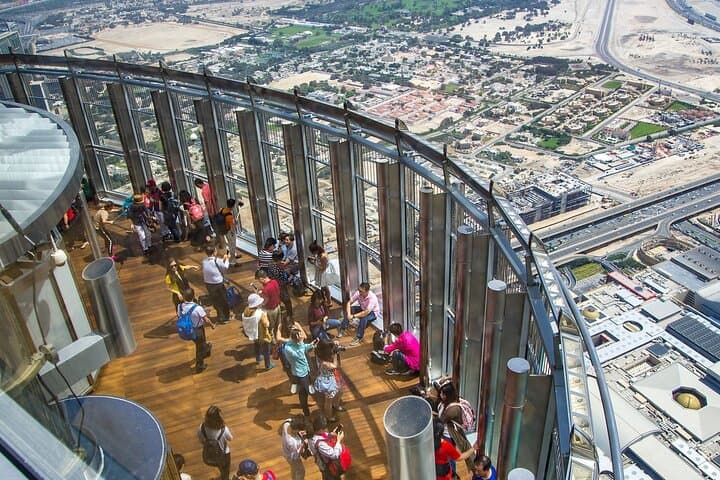

Step onto the observation deck and the city stretches away in a grid of glass and sand—Burj Khalifa’s 124th and 125th floors flatten the skyline into a living map while the Gulf shimmers on the horizon.
Step onto the observation deck and the city stretches away in a grid of glass and sand—Burj Khalifa’s 124th and 125th floors flatten the skyline into a living map while the Gulf shimmers on the horizon.
Move from altitude to bloom: the Dubai Miracle Garden flips the script, with sculpted floral arches and walkways that push through vast beds of seasonal blooms. Both attractions illustrate Dubai’s appetite for scale—one vertical, one horticultural.
History and local context: the Burj Khalifa opened in 2010 after a decade-long construction boom that reoriented Dubai as a global hub; the Miracle Garden debuted in 2013 as a seasonal showcase of horticulture in an arid climate. Geologically the city sits on coastal plain and reclaimed land, which informs everything from landscaping to water use.
Culture and practicalities: expect efficient security, timed-entry tickets, and clear signage in English and Arabic. The Burj’s elevators fast-track you up but include queues during peak hours; the garden involves sustained walking on paved and mulched paths.
Planning tips: visit the Burj at first light or late afternoon for softer light and fewer crowds; reserve Miracle Garden for cooler months (typically November–May) and plan 60–120 minutes to wander. Bring sun protection, a refillable water bottle, and a compact camera or binoculars for distant views. Mobility access is available at both sites but check specific elevator and ramp details in advance.
These paired stops give a compact, contrasting day: vertiginous urban panorama and deliberately tamed nature—both engineered, both demanding only basic fitness and common-sense planning.