THE ADVENTURE COLLECTIVE® · Independent discovery and booking for outdoor travel

See Dubai from its two most emblematic vantage points: the vertiginous observation decks of Burj Khalifa and the opulent high tea inside Burj Al Arab’s atrium. This combined visit pairs panoramic skyline views with gourmet hospitality.
See Dubai from its two most emblematic vantage points: the vertiginous observation decks of Burj Khalifa and the opulent high tea inside Burj Al Arab’s atrium. This combined visit pairs panoramic skyline views with gourmet hospitality.
You step out of the elevator and the city opens below you: a lattice of glass, sand, and sea where the Persian Gulf dares you to look long enough to lose your sense of scale.
Verified experiences and guided adventures in the surrounding area.
Operated by ROYAL FALCON LLC · Dubai, Dubai
You step out of the elevator and the city opens below you: a lattice of glass, sand, and sea where the Persian Gulf dares you to look long enough to lose your sense of scale.
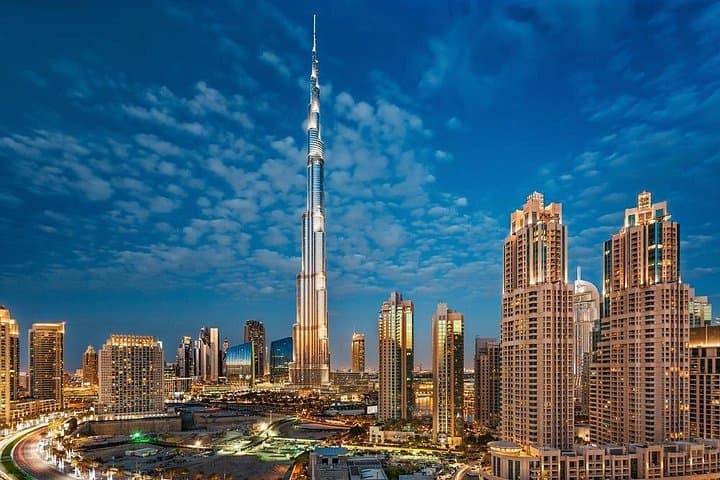
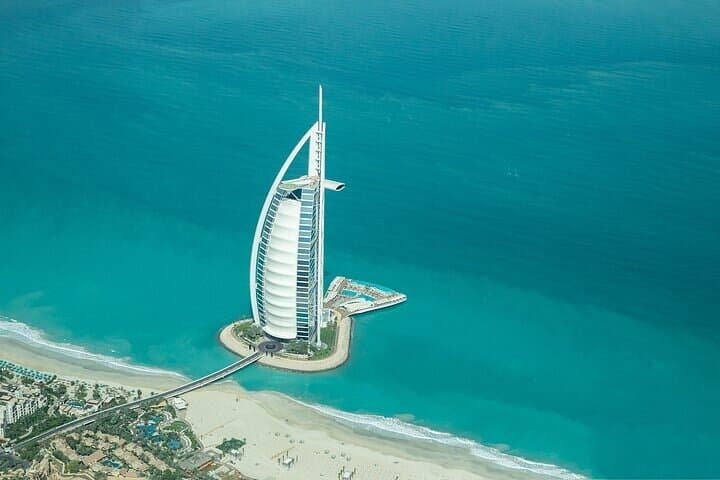
This combo pairs two modern icons: the Burj Khalifa, the world’s tallest tower completed in 2010, and the sail-shaped Burj Al Arab, built on an artificial island and opened as a symbol of Dubai’s late-20th-century boom. Geologically, Dubai sits on coastal plains and reclaimed land; its skyline reads like a ledger of rapid engineering and coastal development. Culturally, both sites reflect the Emirate’s focus on hospitality and spectacle — high tea here is as much a social ritual as a tasting.
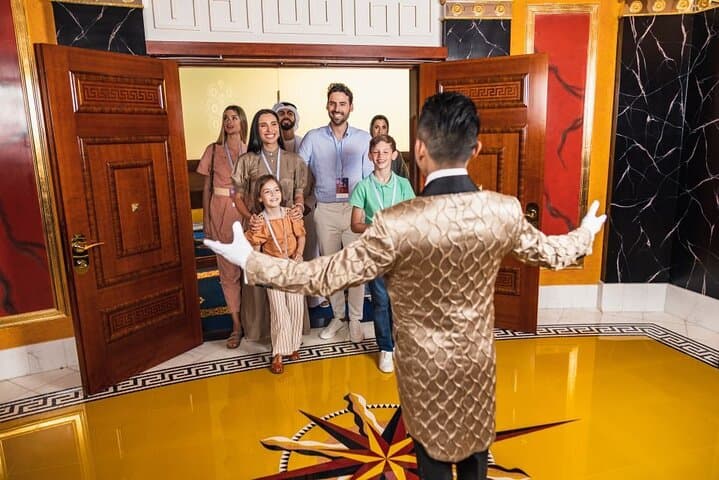
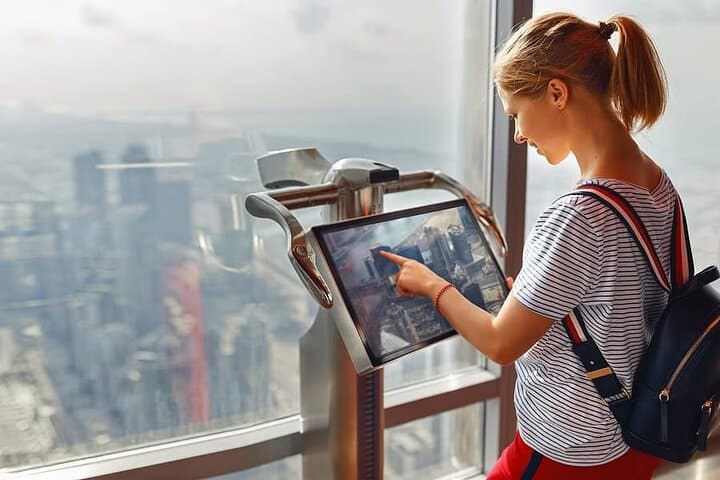
Expect quick, high-speed elevators that vault you to observation levels with floor-to-ceiling glass and powerful telescopes that make the Palm Jumeirah readable from above. At Burj Al Arab you’ll trade altitude for atmosphere: an ornate atrium, plated pastries, and carefully brewed teas served with formal service.
Practical guidance: reserve the later afternoon slot for changing light, bring identification for hotel entry, and allow roughly five hours to transfer between sites and enjoy both experiences. Dress conservatively for the hotel’s code and carry a light layer — air conditioning inside is strong. Hydrate if you’ve been walking outside; coastal breezes can trick you into underestimating sun exposure. For photographers, window reflections are the main challenge — a polarizer and timing for low-angle sun help produce clean skyline shots.
This itinerary is low in physical strain but high in logistics; plan transportation and timing carefully to get the best light and the smoothest service.
easy.
5 hours.
Minimal walking and short standing periods; suitable for most travelers.
This package includes pick up and drop off as listed; confirm pickup point and times during booking.
Yes—mobile or paper tickets are accepted; have the booking confirmation and ID ready at entry.
No—both visits involve elevators and short walks; the activity is suitable for all fitness levels.
Full refunds are available if cancelled at least 24 hours before the scheduled time; check provider terms for exceptions.
Burj Khalifa opened in 2010 as a focal point of Dubai’s rapid urban expansion; Burj Al Arab, opened in 1999, was developed as a statement hotel to position Dubai on the global luxury map.
Coastal development and heavy water use are ongoing concerns; support local conservation by minimizing single-use plastics and respecting protected shoreline areas.
ROYAL FALCON LLC operates guided outdoor trips and adventures with an emphasis on safety, stewardship, and memorable experiences.
You step out of the elevator and the city opens below you: a lattice of glass, sand, and sea where the Persian Gulf dares you to look long enough to lose your sense of scale.
You step out of the elevator and the city opens below you: a lattice of glass, sand, and sea where the Persian Gulf dares you to look long enough to lose your sense of scale.
This combo pairs two modern icons: the Burj Khalifa, the world’s tallest tower completed in 2010, and the sail-shaped Burj Al Arab, built on an artificial island and opened as a symbol of Dubai’s late-20th-century boom. Geologically, Dubai sits on coastal plains and reclaimed land; its skyline reads like a ledger of rapid engineering and coastal development. Culturally, both sites reflect the Emirate’s focus on hospitality and spectacle — high tea here is as much a social ritual as a tasting.
Expect quick, high-speed elevators that vault you to observation levels with floor-to-ceiling glass and powerful telescopes that make the Palm Jumeirah readable from above. At Burj Al Arab you’ll trade altitude for atmosphere: an ornate atrium, plated pastries, and carefully brewed teas served with formal service.
Practical guidance: reserve the later afternoon slot for changing light, bring identification for hotel entry, and allow roughly five hours to transfer between sites and enjoy both experiences. Dress conservatively for the hotel’s code and carry a light layer — air conditioning inside is strong. Hydrate if you’ve been walking outside; coastal breezes can trick you into underestimating sun exposure. For photographers, window reflections are the main challenge — a polarizer and timing for low-angle sun help produce clean skyline shots.
This itinerary is low in physical strain but high in logistics; plan transportation and timing carefully to get the best light and the smoothest service.