THE ADVENTURE COLLECTIVE® · Independent discovery and booking for outdoor travel

Ride a high-speed elevator to the 148th-floor observatory and take in 360° views of Dubai, the Arabian Gulf and the desert beyond. This concise guide covers what to expect, practical tips for timing and transfers, and how to make the most of a 30-minute visit.
Ride a high-speed elevator to the 148th-floor observatory and take in 360° views of Dubai, the Arabian Gulf and the desert beyond. This concise guide covers what to expect, practical tips for timing and transfers, and how to make the most of a 30-minute visit.
Stepping into the high-speed elevator of the Burj Khalifa, the city peels away beneath you in sixty seconds of accelerating light. By the time the doors open on the 148th floor, Dubai has already rearranged itself: glass, sand, and sea flatten into a 360-degree map that pushes the horizon into sharp perspective.
Verified experiences and guided adventures in the surrounding area.
Operated by Tabeer Tours · Dubai, Dubai
Stepping into the high-speed elevator of the Burj Khalifa, the city peels away beneath you in sixty seconds of accelerating light. By the time the doors open on the 148th floor, Dubai has already rearranged itself: glass, sand, and sea flatten into a 360-degree map that pushes the horizon into sharp perspective.
The tower is a modern landmark built on deep reinforced piles and a massive concrete mat to anchor its 828-metre height; designed by Adrian Smith and completed in 2010, it embodies Dubai’s rapid urban transformation from coastal trading post to global metropolis. Geology here matters—soft desert sands required engineered foundations—and the Arabian Gulf shapes the view, moving light across the city’s facades as afternoon becomes evening.
Culturally, the Burj Khalifa is a civic stage: events, light shows and the adjacent Dubai Fountain all reflect the city’s appetite for spectacle. Local etiquette is straightforward—dress respectfully and follow security staff requests. Practically, the visit is compact: a timed 30-minute window on the observatory gives panoramic photo opportunities, binocular viewpoints and informative displays about the building and skyline.
To make the most of it, aim for hour-specific light—early morning for clearer air, sunset for drama—and arrive early for security and transfer logistics. Carry a light layer for air-conditioned interiors, keep moving between viewpoints to see the city shift, and respect the short duration by planning key shots in advance. This is a high-altitude, urban vantage point: efficient, dramatic, and very much about seeing Dubai from its highest orbit.
easy.
30 minutes.
Suitable for all fitness levels; involves short walks and standing on viewing platforms
The ticketed observational visit is approximately 30 minutes; transfers and security can add time before and after.
Yes — this product includes pick up from and drop off at your hotel as listed in the inclusions.
The Burj Khalifa provides wheelchair access and assistance, but notify the operator of accessibility needs when booking to arrange transfers and entry.
Small bags are allowed but oversized luggage is restricted; tripods may be subject to security rules—check with staff on arrival.
Completed in 2010 and designed by architect Adrian Smith, Burj Khalifa was built as part of Downtown Dubai to showcase the emirate’s growth and engineering ambition.
The tower’s systems capture condensate for irrigation and the wider development emphasizes efficient water use; visitors should minimize litter and follow on-site recycling guidance.
Tabeer Tours operates guided outdoor trips and adventures with an emphasis on safety, stewardship, and memorable experiences.
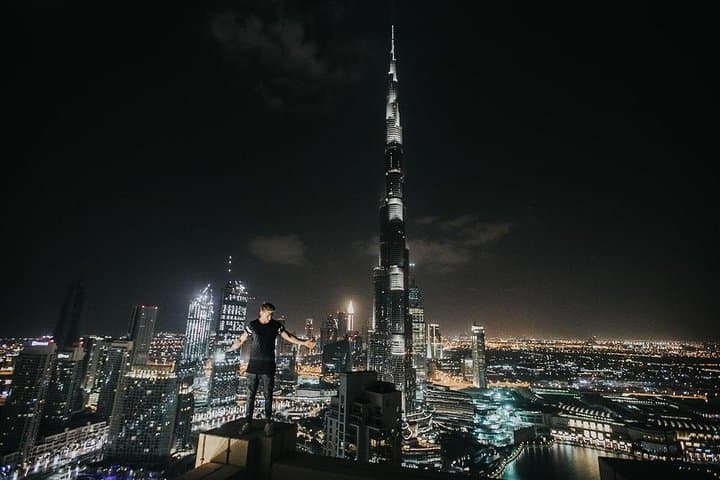
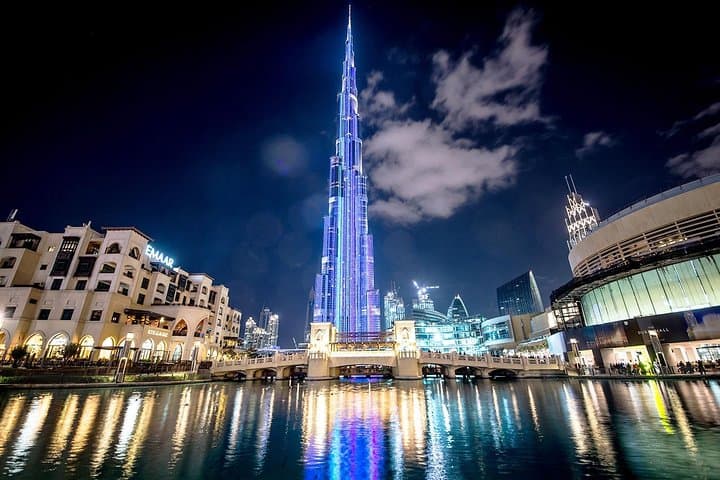
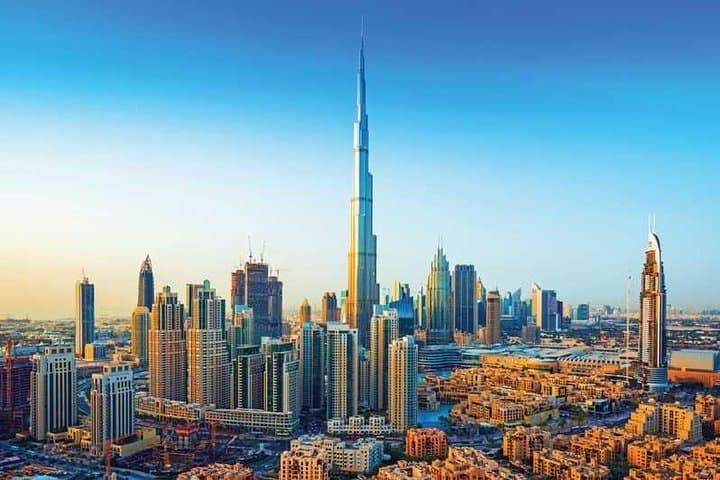
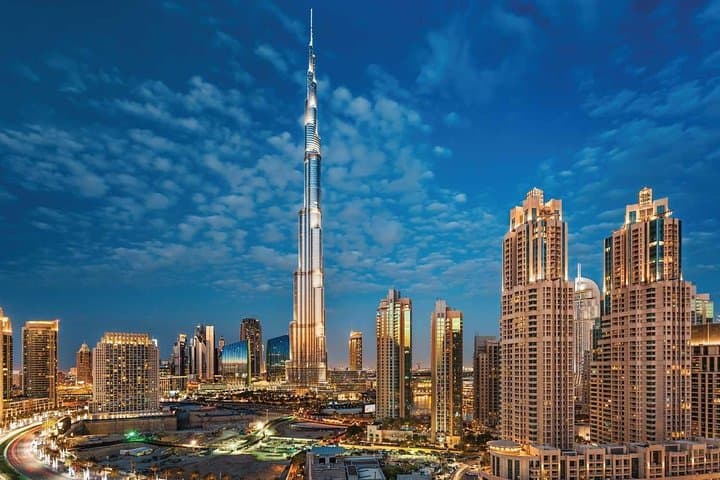
Stepping into the high-speed elevator of the Burj Khalifa, the city peels away beneath you in sixty seconds of accelerating light. By the time the doors open on the 148th floor, Dubai has already rearranged itself: glass, sand, and sea flatten into a 360-degree map that pushes the horizon into sharp perspective.
Stepping into the high-speed elevator of the Burj Khalifa, the city peels away beneath you in sixty seconds of accelerating light. By the time the doors open on the 148th floor, Dubai has already rearranged itself: glass, sand, and sea flatten into a 360-degree map that pushes the horizon into sharp perspective.
The tower is a modern landmark built on deep reinforced piles and a massive concrete mat to anchor its 828-metre height; designed by Adrian Smith and completed in 2010, it embodies Dubai’s rapid urban transformation from coastal trading post to global metropolis. Geology here matters—soft desert sands required engineered foundations—and the Arabian Gulf shapes the view, moving light across the city’s facades as afternoon becomes evening.
Culturally, the Burj Khalifa is a civic stage: events, light shows and the adjacent Dubai Fountain all reflect the city’s appetite for spectacle. Local etiquette is straightforward—dress respectfully and follow security staff requests. Practically, the visit is compact: a timed 30-minute window on the observatory gives panoramic photo opportunities, binocular viewpoints and informative displays about the building and skyline.
To make the most of it, aim for hour-specific light—early morning for clearer air, sunset for drama—and arrive early for security and transfer logistics. Carry a light layer for air-conditioned interiors, keep moving between viewpoints to see the city shift, and respect the short duration by planning key shots in advance. This is a high-altitude, urban vantage point: efficient, dramatic, and very much about seeing Dubai from its highest orbit.