THE ADVENTURE COLLECTIVE® · Independent discovery and booking for outdoor travel

Ride a lightning-fast elevator to the Burj Khalifa’s 148th-floor observatory for prime-time sunset vistas, a Dubai Mall stop, and a fountain-show finale. This guided transfer experience pairs convenience with the city’s best high-altitude views.
Ride a lightning-fast elevator to the Burj Khalifa’s 148th-floor observatory for prime-time sunset vistas, a Dubai Mall stop, and a fountain-show finale. This guided transfer experience pairs convenience with the city’s best high-altitude views.
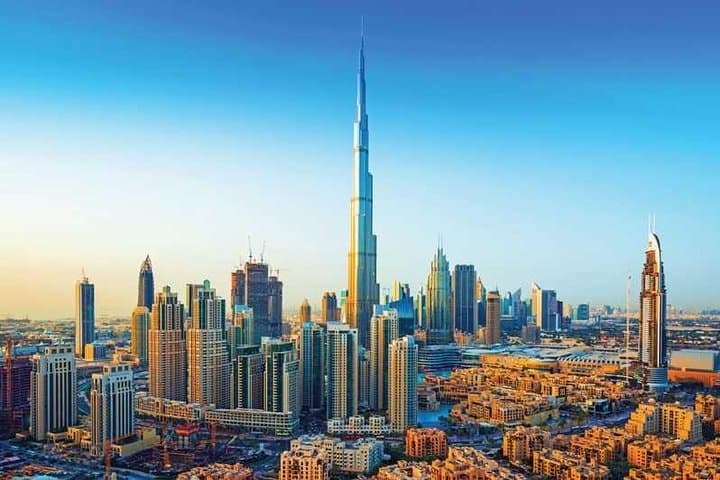
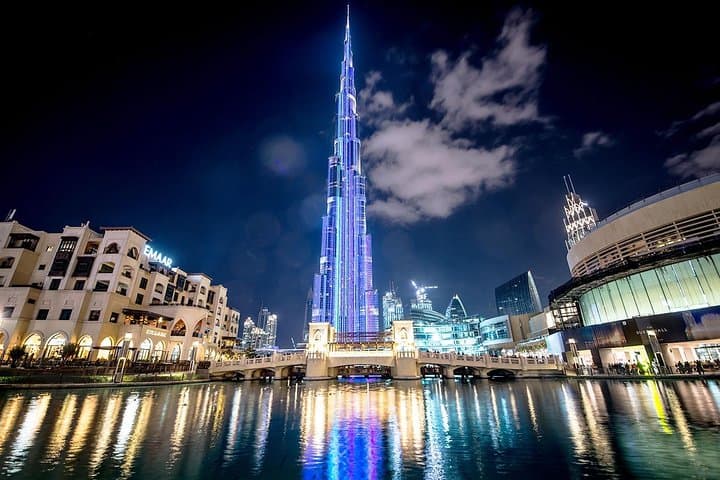
Stepping into the elevator of the Burj Khalifa feels like boarding a vertical vessel. In minutes you rise through glass and light, the city unspooling beneath you until the Gulf and glittering skyline flatten into a map. At the 148th-floor prime-time observatory, the windows frame a 360-degree sweep: the Arabian Gulf pushing light across the water, the Palm faint on the horizon, and the Dubai Fountain conducting traffic below.
Verified experiences and guided adventures in the surrounding area.
Operated by Tabeer Tours · Dubai, Dubai
Stepping into the elevator of the Burj Khalifa feels like boarding a vertical vessel. In minutes you rise through glass and light, the city unspooling beneath you until the Gulf and glittering skyline flatten into a map. At the 148th-floor prime-time observatory, the windows frame a 360-degree sweep: the Arabian Gulf pushing light across the water, the Palm faint on the horizon, and the Dubai Fountain conducting traffic below.
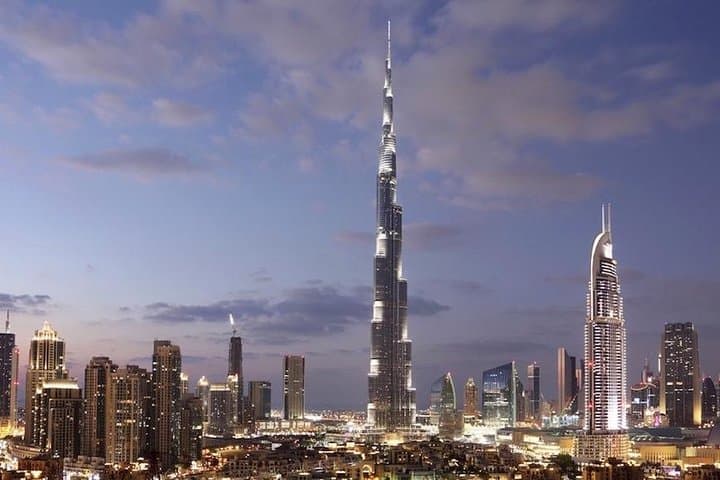
The tower opened in 2010 as a marker of Dubai’s rapid urban and engineering ambitions; designed by Adrian Smith, it sits on a compact coastal plain with reclaimed sections that changed both shoreline and urban geology. Culturally, the Burj is as much a civic icon as a tourist fixture—part of Downtown Dubai’s choreography with Dubai Mall and the fountain plaza.
Visitors should expect a short guided visit to the observation deck (about 30 minutes), plus time for mall access and the fountain show depending on the schedule. The experience is largely accessible: elevators are fast, and transfers simplify logistics, but there are health advisories for those with heart or back conditions.
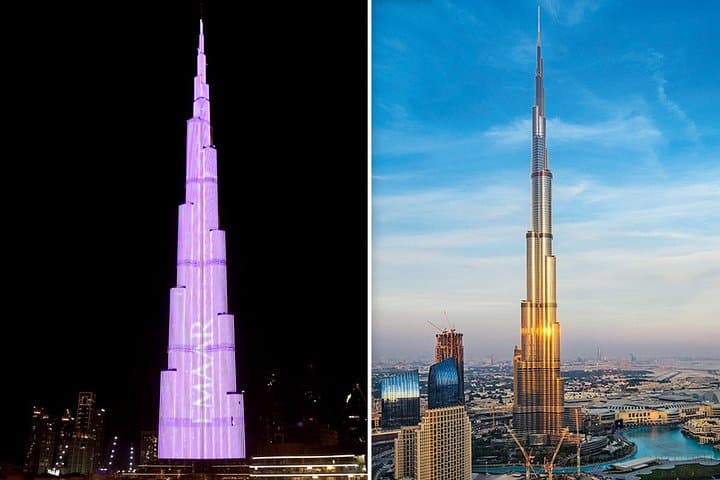
Practical tips: book prime-time slots for sunset light and night illumination; arrive with photo-ready gear but travel light—security checks are standard; hydrate and plan transport windows because pick-up and drop-off are included but brief; and respect posted rules in the observatory. The visit pairs well with an evening in Souk Al Bahar or a coastal walk, turning a high-altitude viewpoint into a practical node for exploring central Dubai.
easy.
4–5 hours.
Suitable for most fitness levels; involves minimal walking and elevator access
The scheduled observatory time is approximately 30 minutes as part of the 4–5 hour tour that includes pickup, Dubai Mall time, and the fountain show.
Yes—elevators and observatory facilities are designed for accessibility, but inform the operator of any special requirements at booking for assistance.
This product includes hotel pickup and drop-off in an air-conditioned vehicle; you’ll be given a pickup window and location when you book.
Photography is allowed through the viewing windows; tripods and professional setups may be restricted—travel light and follow staff instructions.
Completed in 2010 and designed by architect Adrian Smith, Burj Khalifa symbolizes Dubai’s rapid 21st-century urban expansion and engineering ambition.
High visitor volumes and urban lighting affect local energy use; visitors can reduce impact by using public transport, refillable bottles, and following site rules.
Tabeer Tours operates guided outdoor trips and adventures with an emphasis on safety, stewardship, and memorable experiences.
Stepping into the elevator of the Burj Khalifa feels like boarding a vertical vessel. In minutes you rise through glass and light, the city unspooling beneath you until the Gulf and glittering skyline flatten into a map. At the 148th-floor prime-time observatory, the windows frame a 360-degree sweep: the Arabian Gulf pushing light across the water, the Palm faint on the horizon, and the Dubai Fountain conducting traffic below.
Stepping into the elevator of the Burj Khalifa feels like boarding a vertical vessel. In minutes you rise through glass and light, the city unspooling beneath you until the Gulf and glittering skyline flatten into a map. At the 148th-floor prime-time observatory, the windows frame a 360-degree sweep: the Arabian Gulf pushing light across the water, the Palm faint on the horizon, and the Dubai Fountain conducting traffic below.
The tower opened in 2010 as a marker of Dubai’s rapid urban and engineering ambitions; designed by Adrian Smith, it sits on a compact coastal plain with reclaimed sections that changed both shoreline and urban geology. Culturally, the Burj is as much a civic icon as a tourist fixture—part of Downtown Dubai’s choreography with Dubai Mall and the fountain plaza.
Visitors should expect a short guided visit to the observation deck (about 30 minutes), plus time for mall access and the fountain show depending on the schedule. The experience is largely accessible: elevators are fast, and transfers simplify logistics, but there are health advisories for those with heart or back conditions.
Practical tips: book prime-time slots for sunset light and night illumination; arrive with photo-ready gear but travel light—security checks are standard; hydrate and plan transport windows because pick-up and drop-off are included but brief; and respect posted rules in the observatory. The visit pairs well with an evening in Souk Al Bahar or a coastal walk, turning a high-altitude viewpoint into a practical node for exploring central Dubai.