THE ADVENTURE COLLECTIVE® · Independent discovery and booking for outdoor travel

Rise to the Burj Khalifa’s 124th and 125th floors for sweeping views of Dubai, the desert and the Gulf. This guide covers what to expect, best times to go, and practical tips to make the most of your sky-high visit.
Rise to the Burj Khalifa’s 124th and 125th floors for sweeping views of Dubai, the desert and the Gulf. This guide covers what to expect, best times to go, and practical tips to make the most of your sky-high visit.
A wind-edged terrace, glass panels humming underfoot and the city unfurling like a network of light beneath you — that’s the first impression from the Burj Khalifa’s 124th and 125th floors. From the outdoor observation deck the Persian Gulf is a pale ribbon, the desert pushes its ochre horizon, and Dubai’s towers fight the sky for attention. Telescopes and interactive displays direct focus; lounges invite a slower look.
Verified experiences and guided adventures in the surrounding area.
Operated by Dream Fly Tourism LLC · Dubai, Dubai
A wind-edged terrace, glass panels humming underfoot and the city unfurling like a network of light beneath you — that’s the first impression from the Burj Khalifa’s 124th and 125th floors. From the outdoor observation deck the Persian Gulf is a pale ribbon, the desert pushes its ochre horizon, and Dubai’s towers fight the sky for attention. Telescopes and interactive displays direct focus; lounges invite a slower look.
The Burj Khalifa opened in 2010 and remains the world’s tallest building, a modern feat of reinforced concrete, steel and glass conceived by Skidmore, Owings & Merrill. The tower sits on deep piled foundations to anchor it in coastal sediments; nearby Downtown Dubai grew quickly around it, anchored by the Dubai Mall and the choreographed Dubai Fountain. Culturally, a visit reads as much about contemporary ambition as it does about place — plan around local observances such as Ramadan and public holidays which affect hours.
Practical guidance: tickets are timed and typically 30–60 minutes on the observation levels; book a slot for sunset or pre-dawn for dramatic light but expect crowds at sunset. Security screening is routine; large bags may be restricted. Wear comfortable shoes for standing and a light layer for breezy deck conditions. Bring a camera or phone with zoom and a power bank — telescopes are great but personal close-ups require optics of your own. Public transit (Metro and tram) reaches Downtown Dubai; elevators move quickly but queues form during peak hours. For an efficient visit, arrive 15 minutes before your slot and factor in extra time if you want to pair the experience with the Dubai Fountain show or a mall visit.
easy.
45–75 minutes.
Suitable for all fitness levels; requires standing and walking on hard surfaces
Tickets are typically for a 30–60 minute visit; some bookings allow a flexible window but expect staff to manage crowd flow during busy periods.
Yes; infants may need to sit on an adult’s lap in some areas and standard security checks apply for all visitors.
Yes, but access can be restricted for safety in severe weather or high winds; check local conditions if storms are forecast.
The Burj Khalifa provides accessible routes and elevators to observation levels; contact venue or check accessibility info when booking for specifics.
Completed in 2010, the Burj Khalifa was designed by Skidmore, Owings & Merrill and changed Dubai’s skyline and tourism profile, catalyzing development of Downtown Dubai.
High visitor volumes require careful crowd management; use designated walkways, avoid littering, and follow staff guidance to minimize wear on observation areas.
Dream Fly Tourism LLC operates guided outdoor trips and adventures with an emphasis on safety, stewardship, and memorable experiences.
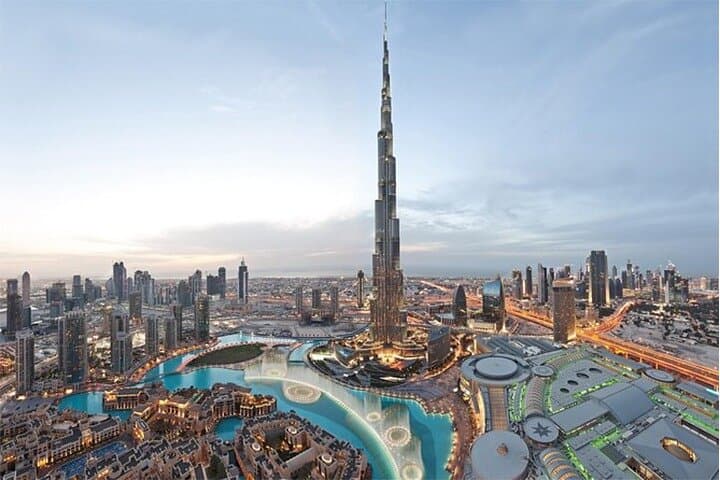
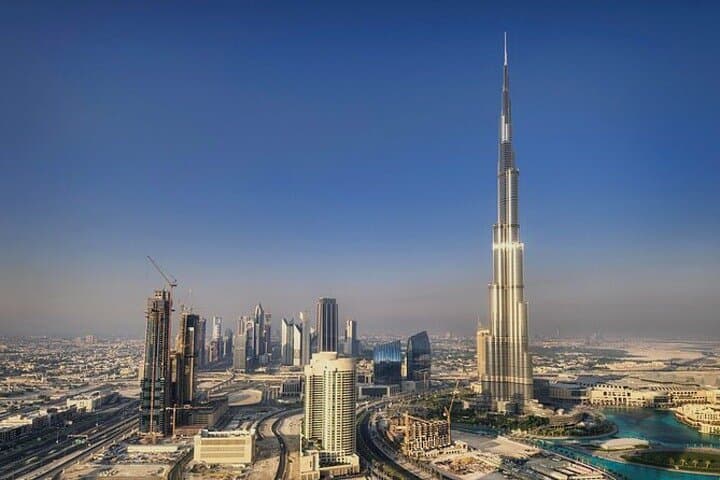
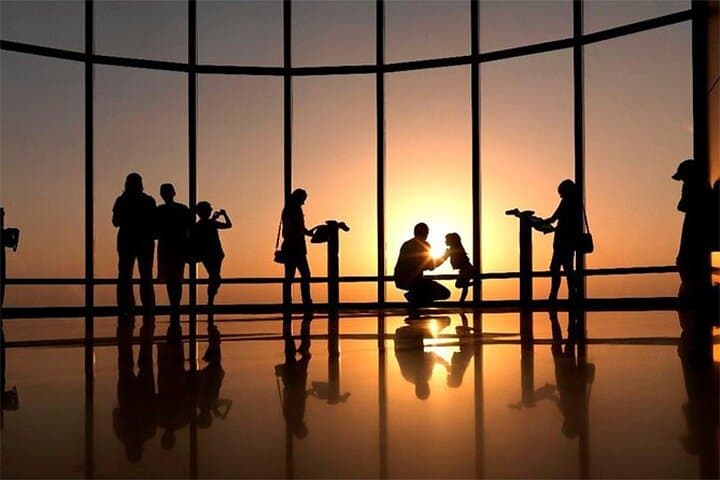
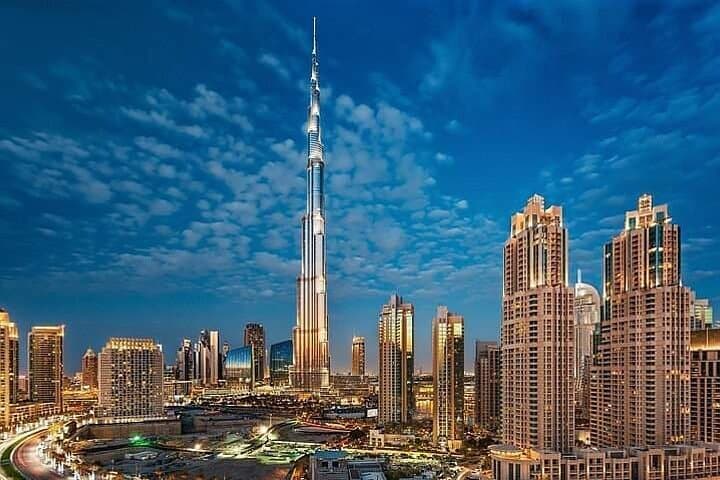
A wind-edged terrace, glass panels humming underfoot and the city unfurling like a network of light beneath you — that’s the first impression from the Burj Khalifa’s 124th and 125th floors. From the outdoor observation deck the Persian Gulf is a pale ribbon, the desert pushes its ochre horizon, and Dubai’s towers fight the sky for attention. Telescopes and interactive displays direct focus; lounges invite a slower look.
A wind-edged terrace, glass panels humming underfoot and the city unfurling like a network of light beneath you — that’s the first impression from the Burj Khalifa’s 124th and 125th floors. From the outdoor observation deck the Persian Gulf is a pale ribbon, the desert pushes its ochre horizon, and Dubai’s towers fight the sky for attention. Telescopes and interactive displays direct focus; lounges invite a slower look.
The Burj Khalifa opened in 2010 and remains the world’s tallest building, a modern feat of reinforced concrete, steel and glass conceived by Skidmore, Owings & Merrill. The tower sits on deep piled foundations to anchor it in coastal sediments; nearby Downtown Dubai grew quickly around it, anchored by the Dubai Mall and the choreographed Dubai Fountain. Culturally, a visit reads as much about contemporary ambition as it does about place — plan around local observances such as Ramadan and public holidays which affect hours.
Practical guidance: tickets are timed and typically 30–60 minutes on the observation levels; book a slot for sunset or pre-dawn for dramatic light but expect crowds at sunset. Security screening is routine; large bags may be restricted. Wear comfortable shoes for standing and a light layer for breezy deck conditions. Bring a camera or phone with zoom and a power bank — telescopes are great but personal close-ups require optics of your own. Public transit (Metro and tram) reaches Downtown Dubai; elevators move quickly but queues form during peak hours. For an efficient visit, arrive 15 minutes before your slot and factor in extra time if you want to pair the experience with the Dubai Fountain show or a mall visit.