THE ADVENTURE COLLECTIVE® · Independent discovery and booking for outdoor travel

Ride a high-speed elevator to 452 meters and see Dubai unfold from the Burj Khalifa’s 124th-floor observatory. This practical guide covers timing, access, and what to expect during the prime-time hotel-transfer experience.
Ride a high-speed elevator to 452 meters and see Dubai unfold from the Burj Khalifa’s 124th-floor observatory. This practical guide covers timing, access, and what to expect during the prime-time hotel-transfer experience.
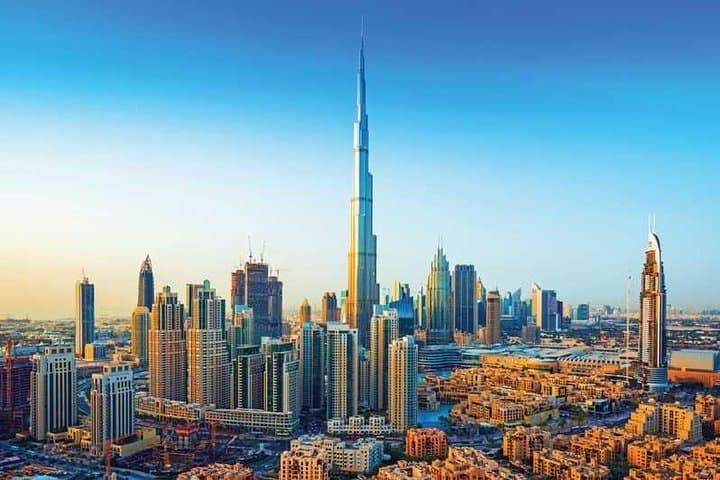
An elevator hums, then blurs—glass walls dissolve the city into a band of streets and light. In minutes you rise to the 124th-floor observatory of the Burj Khalifa, where the city flattens beneath you and the Arabian Gulf dares you to look farther. The observation deck sits at roughly 452 meters, offering 360-degree panoramas from the tallest building on earth.
Verified experiences and guided adventures in the surrounding area.
Operated by Tabeer Tours · Dubai, Dubai
An elevator hums, then blurs—glass walls dissolve the city into a band of streets and light. In minutes you rise to the 124th-floor observatory of the Burj Khalifa, where the city flattens beneath you and the Arabian Gulf dares you to look farther. The observation deck sits at roughly 452 meters, offering 360-degree panoramas from the tallest building on earth.
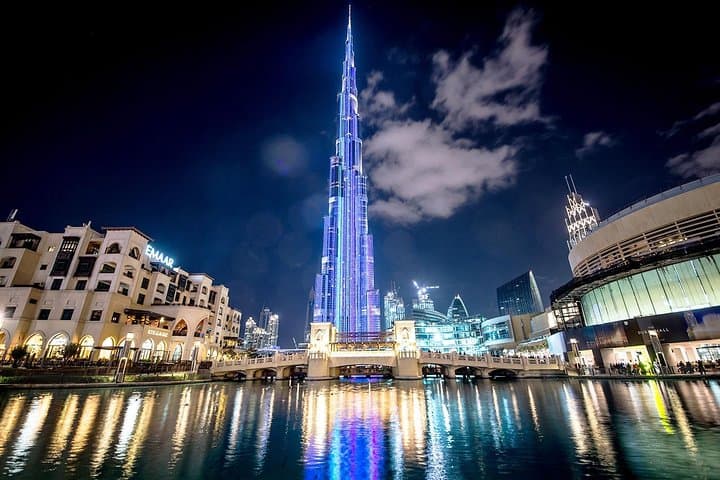
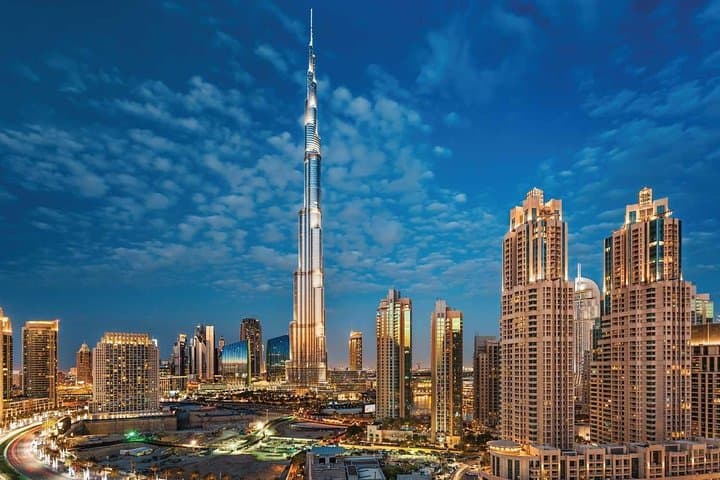
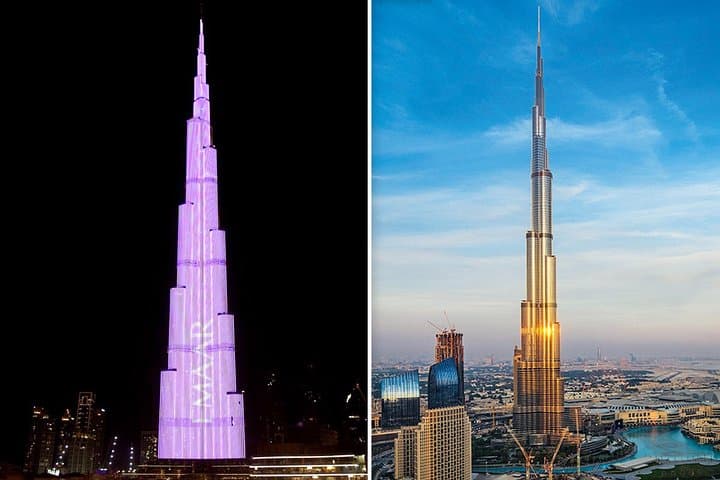
The Burj Khalifa opened in 2010 after a decade of rapid construction that reshaped Dubai’s skyline. Its reinforced concrete core and piled foundations anchor steel and glass against desert wind and coastal salt. Around its base, Dubai Mall and fountains reflect the emirate’s late-20th–century push toward architectural ambition and tourism-driven urbanism.
Visitors experience a compact tour: hotel pickup in an air‑conditioned vehicle, a 30‑minute visit to the deck, and return transfer. The deck’s interpretive panels explain the tower’s engineering and regional geography; outside, the gulf and palm islands trace manmade coastlines while distant dunes remind you this metropolis sits on desert bedrock.
Practical notes: prime-time tickets favor sunset or early evening light but are busiest; morning visits give cleaner air and longer visibility. Security and light dress codes apply—respectful, modest attire is customary in public spaces. Expect high-speed elevators and short, timed access on the deck; bring a charged camera and your ticket on mobile. The experience suits most fitness levels but is not recommended for people with serious heart or spinal conditions. Hydrate before you go, time your arrival to match light and crowds, and plan a cushion for traffic—Dubai’s skyline rewards a little logistical planning with a rare, vertiginous view.
easy.
4–5 hours.
Suitable for most fitness levels; minimal physical exertion but involves standing and some walking
The tour includes approximately 30 minutes on the 124th-floor observatory; total tour time with hotel transfer is around 4–5 hours depending on pickup logistics.
Yes—high-speed elevators carry guests quickly to Level 124; the facility follows strict safety and security protocols.
There’s an expectation of modest public dress in Dubai; the facility is accessible but not recommended for travelers with serious heart or spinal conditions per provider notes.
Sunset and early evening provide dramatic light but are busiest; clear mornings offer longer visibility and fewer crowds.
Completed in 2010, the Burj Khalifa was the centerpiece of Dubai’s early‑21st‑century urban expansion and remains the world’s tallest completed structure.
High visitor numbers and urban lighting affect nearby bird migration; reduce waste, follow facility guidelines, and use existing paths and viewing areas to minimize impact.
Tabeer Tours operates guided outdoor trips and adventures with an emphasis on safety, stewardship, and memorable experiences.
An elevator hums, then blurs—glass walls dissolve the city into a band of streets and light. In minutes you rise to the 124th-floor observatory of the Burj Khalifa, where the city flattens beneath you and the Arabian Gulf dares you to look farther. The observation deck sits at roughly 452 meters, offering 360-degree panoramas from the tallest building on earth.
An elevator hums, then blurs—glass walls dissolve the city into a band of streets and light. In minutes you rise to the 124th-floor observatory of the Burj Khalifa, where the city flattens beneath you and the Arabian Gulf dares you to look farther. The observation deck sits at roughly 452 meters, offering 360-degree panoramas from the tallest building on earth.
The Burj Khalifa opened in 2010 after a decade of rapid construction that reshaped Dubai’s skyline. Its reinforced concrete core and piled foundations anchor steel and glass against desert wind and coastal salt. Around its base, Dubai Mall and fountains reflect the emirate’s late-20th–century push toward architectural ambition and tourism-driven urbanism.
Visitors experience a compact tour: hotel pickup in an air‑conditioned vehicle, a 30‑minute visit to the deck, and return transfer. The deck’s interpretive panels explain the tower’s engineering and regional geography; outside, the gulf and palm islands trace manmade coastlines while distant dunes remind you this metropolis sits on desert bedrock.
Practical notes: prime-time tickets favor sunset or early evening light but are busiest; morning visits give cleaner air and longer visibility. Security and light dress codes apply—respectful, modest attire is customary in public spaces. Expect high-speed elevators and short, timed access on the deck; bring a charged camera and your ticket on mobile. The experience suits most fitness levels but is not recommended for people with serious heart or spinal conditions. Hydrate before you go, time your arrival to match light and crowds, and plan a cushion for traffic—Dubai’s skyline rewards a little logistical planning with a rare, vertiginous view.