THE ADVENTURE COLLECTIVE® · Independent discovery and booking for outdoor travel

Ascend to the 124th-floor observation deck of the Burj Khalifa for sweeping 360-degree views of Dubai’s skyline, desert, and sea. This guide covers history, practical tips, and what to expect during a three-hour visit.
Ascend to the 124th-floor observation deck of the Burj Khalifa for sweeping 360-degree views of Dubai’s skyline, desert, and sea. This guide covers history, practical tips, and what to expect during a three-hour visit.
You step out of the elevator and the city opens beneath you—glass, sand, and water stitched into neat geometry. The 124th-floor observation deck rewards the short, dizzying ascent with a 360-degree panorama: the Persian Gulf glitters westward, the desert laps at the city's edge, and the Dubai Fountain’s choreography looks deliberate even from this height.
Verified experiences and guided adventures in the surrounding area.
Operated by Book My Trip · Dubai, Dubai
You step out of the elevator and the city opens beneath you—glass, sand, and water stitched into neat geometry. The 124th-floor observation deck rewards the short, dizzying ascent with a 360-degree panorama: the Persian Gulf glitters westward, the desert laps at the city's edge, and the Dubai Fountain’s choreography looks deliberate even from this height.
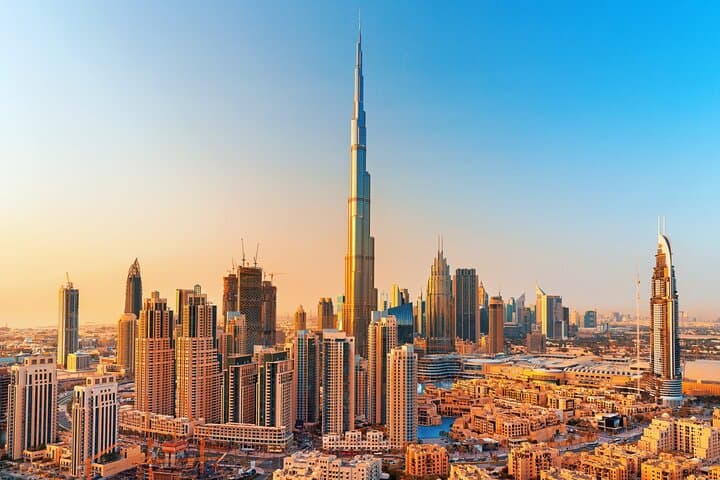
The Burj Khalifa, completed in 2010 and designed by Skidmore, Owings & Merrill, rose from the flat coastal plain as part of the Downtown Dubai masterplan. Its concrete-and-steel Y-shaped core was engineered to counter high winds and desert settlement; the result is an architecture-driven skyline marker that reoriented Dubai’s cultural map.
Nearby, the Dubai Mall and Souk Al Bahar offer retail and cultural contrast—modern glass volumes alongside Arabic-styled promenades. The tower itself includes multimedia exhibits outlining Dubai’s rapid urban transformation, and telescopes on the deck bring distant monuments into focus.
Practical guidance: book advance tickets to skip lines and aim for late afternoon for cooler air and shifting light. Security screening is thorough; carry ID and a mobile or printed ticket. Wear comfortable shoes—you’ll stand and walk on smooth floors—and bring a light layer for the conditioned interior and glare‑reducing sunglasses for the terrace. Hydrate before your visit and use the Dubai Metro or paid parking options near the mall; traffic can add 30–60 minutes during peak times.
This is a curated urban vantage point—less a wilderness conquest than a precise, engineered view of a young megacity. Expect crowds, crisp sightlines, and an efficient, accessible experience that puts Dubai’s scale in plain sight.
easy.
3 hours.
Suitable for all fitness levels; requires only standing and short, flat walking.
The experience is listed as three hours including entry, viewing, and exhibits, though many visitors spend 45–90 minutes on the deck depending on crowds.
This ticket covers the 124th/125th-floor observation levels; access to the 148th-floor SKY is a separate, premium ticket sold independently.
Yes—entrances, elevators, and the observation levels are wheelchair and stroller accessible; notify booking questions if you need assistance.
Late afternoon into early evening provides changing light and the possibility of sunset shots; mid-morning has clearer air but harsher light.
Opened in 2010, the Burj Khalifa was designed by SOM and became the focal point of the Downtown Dubai development during a construction boom that reshaped the emirate.
High visitor numbers create local pressure on transport and waste; use public transit, follow onsite guidance, and minimize single-use plastics to reduce your footprint.
Book My Trip operates guided outdoor trips and adventures with an emphasis on safety, stewardship, and memorable experiences.
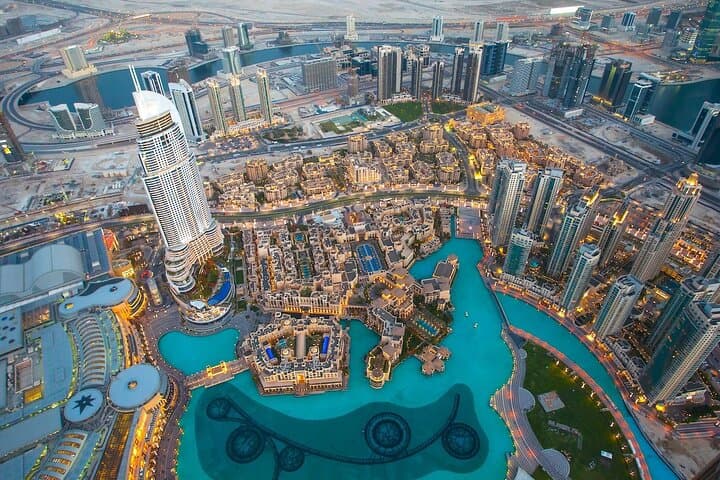
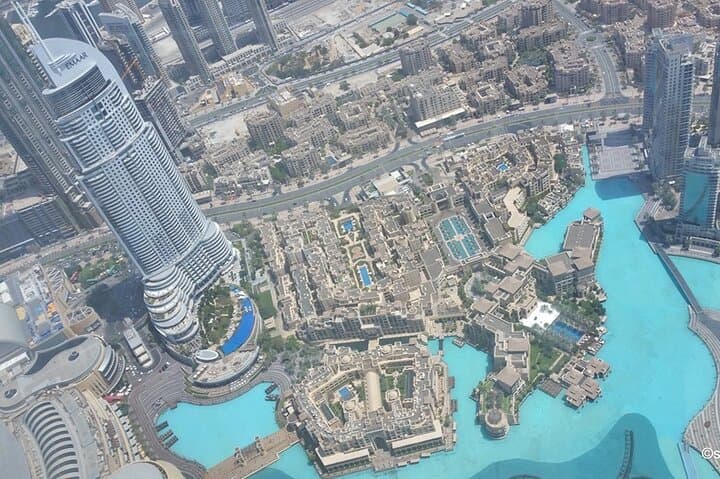
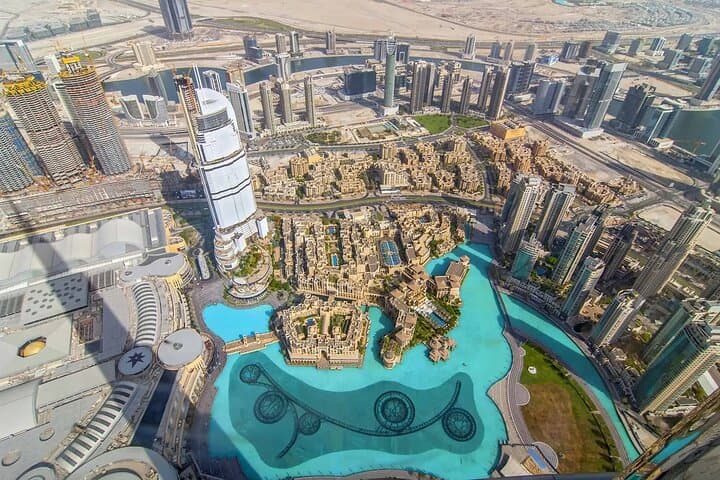
You step out of the elevator and the city opens beneath you—glass, sand, and water stitched into neat geometry. The 124th-floor observation deck rewards the short, dizzying ascent with a 360-degree panorama: the Persian Gulf glitters westward, the desert laps at the city's edge, and the Dubai Fountain’s choreography looks deliberate even from this height.
You step out of the elevator and the city opens beneath you—glass, sand, and water stitched into neat geometry. The 124th-floor observation deck rewards the short, dizzying ascent with a 360-degree panorama: the Persian Gulf glitters westward, the desert laps at the city's edge, and the Dubai Fountain’s choreography looks deliberate even from this height.
The Burj Khalifa, completed in 2010 and designed by Skidmore, Owings & Merrill, rose from the flat coastal plain as part of the Downtown Dubai masterplan. Its concrete-and-steel Y-shaped core was engineered to counter high winds and desert settlement; the result is an architecture-driven skyline marker that reoriented Dubai’s cultural map.
Nearby, the Dubai Mall and Souk Al Bahar offer retail and cultural contrast—modern glass volumes alongside Arabic-styled promenades. The tower itself includes multimedia exhibits outlining Dubai’s rapid urban transformation, and telescopes on the deck bring distant monuments into focus.
Practical guidance: book advance tickets to skip lines and aim for late afternoon for cooler air and shifting light. Security screening is thorough; carry ID and a mobile or printed ticket. Wear comfortable shoes—you’ll stand and walk on smooth floors—and bring a light layer for the conditioned interior and glare‑reducing sunglasses for the terrace. Hydrate before your visit and use the Dubai Metro or paid parking options near the mall; traffic can add 30–60 minutes during peak times.
This is a curated urban vantage point—less a wilderness conquest than a precise, engineered view of a young megacity. Expect crowds, crisp sightlines, and an efficient, accessible experience that puts Dubai’s scale in plain sight.