THE ADVENTURE COLLECTIVE® · Independent discovery and booking for outdoor travel

Ascend to Level 124 of the Burj Khalifa for sweeping 360° views, then enjoy a reserved 3-course meal at an on-site restaurant. Fast elevators and accessible facilities make this a dramatic, low-effort way to experience Dubai’s skyline and the evening fountain show.
Ascend to Level 124 of the Burj Khalifa for sweeping 360° views, then enjoy a reserved 3-course meal at an on-site restaurant. Fast elevators and accessible facilities make this a dramatic, low-effort way to experience Dubai’s skyline and the evening fountain show.
You step into light and glass, elevator doors sealing behind you as the city slides away. Within a minute you’re thrust skyward — the Burj Khalifa’s elevator climbs like a soft, steady hand lifting you through a vertical weather. On Level 124 the floor opens to a 360° panorama: a city of geometry and sand, the Persian Gulf glinting to the north, and the weaving creek below that keeps the city in motion.
Verified experiences and guided adventures in the surrounding area.
Operated by Dubai Egypt Travel · Dubai, Dubai
You step into light and glass, elevator doors sealing behind you as the city slides away. Within a minute you’re thrust skyward — the Burj Khalifa’s elevator climbs like a soft, steady hand lifting you through a vertical weather. On Level 124 the floor opens to a 360° panorama: a city of geometry and sand, the Persian Gulf glinting to the north, and the weaving creek below that keeps the city in motion.
Built on reclaimed land and completed in 2010, Burj Khalifa redefined Dubai’s skyline and ambition. The tower’s concrete-and-steel core rises from desert geology of Pleistocene sands and marine deposits; engineers designed the structure to shed wind and heat as skillfully as a desert lizard sheds sun. Culturally, the tower sits beside the Dubai Fountain and Mohammed bin Rashid Boulevard — a modern hub where architecture, commerce, and public spectacle meet.
For practical planning: expect 4–5 hours for the full package — tower access, time to linger on the observation deck, and a reserved 3-course meal at the Burj Club or an Armani venue when available. Visit around sunset for shifting light and the Dubai Fountain’s evening performance; midweek mornings are quieter. Security checks and lines are standard even with tickets, so arrive 20–30 minutes early. Wear comfortable shoes for walking on tiled decks and bring a camera with a wide-angle setting for cityscapes.
Accessibility is strong: elevators, ramps, and service staff assist guests with mobility needs. Hydrate in Dubai’s dry climate and plan transportation: taxis and the Dubai Metro connect nearby, though drop-off points are regulated. This is not wilderness adventure — it’s a high-altitude civic viewing experience that pairs technical engineering with curated hospitality.
easy.
4–5 hours.
Suitable for all fitness levels; involves brief standing and walking on flat surfaces
The full experience is typically 4–5 hours, including observation time and a 3-course meal served after descending from Level 124.
Yes — elevators, ramps, and accessible routes are provided; inform the operator of any mobility needs at booking.
Yes — many vantage points afford clear views of the fountain, especially in the evening when performances are scheduled.
Dining is subject to availability; the itinerary lists Burj Club and Armani venues — final assignment depends on seating and timing.
Opened in 2010, Burj Khalifa was part of Dubai’s early-21st-century push to create global-scale tourism and commercial nodes, shifting development onto reclaimed and engineered land.
The tower operates with water-saving plumbing and energy management systems, but Dubai’s high visitation and arid setting mean visitors should minimize water use and follow local waste guidelines.
Dubai Egypt Travel operates guided outdoor trips and adventures with an emphasis on safety, stewardship, and memorable experiences.


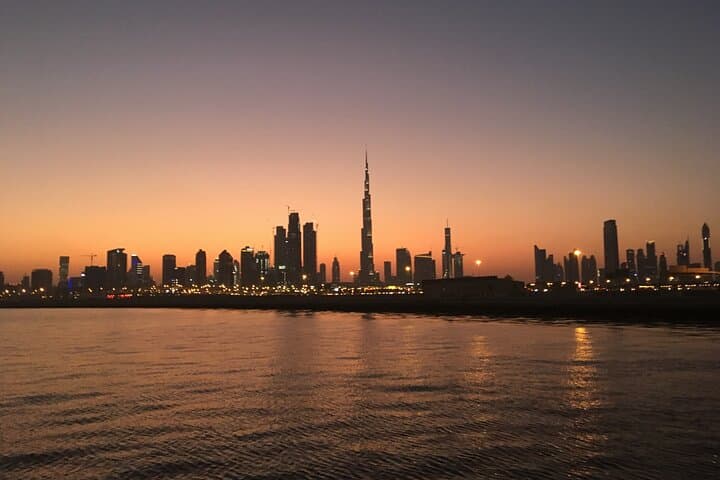
You step into light and glass, elevator doors sealing behind you as the city slides away. Within a minute you’re thrust skyward — the Burj Khalifa’s elevator climbs like a soft, steady hand lifting you through a vertical weather. On Level 124 the floor opens to a 360° panorama: a city of geometry and sand, the Persian Gulf glinting to the north, and the weaving creek below that keeps the city in motion.
You step into light and glass, elevator doors sealing behind you as the city slides away. Within a minute you’re thrust skyward — the Burj Khalifa’s elevator climbs like a soft, steady hand lifting you through a vertical weather. On Level 124 the floor opens to a 360° panorama: a city of geometry and sand, the Persian Gulf glinting to the north, and the weaving creek below that keeps the city in motion.
Built on reclaimed land and completed in 2010, Burj Khalifa redefined Dubai’s skyline and ambition. The tower’s concrete-and-steel core rises from desert geology of Pleistocene sands and marine deposits; engineers designed the structure to shed wind and heat as skillfully as a desert lizard sheds sun. Culturally, the tower sits beside the Dubai Fountain and Mohammed bin Rashid Boulevard — a modern hub where architecture, commerce, and public spectacle meet.
For practical planning: expect 4–5 hours for the full package — tower access, time to linger on the observation deck, and a reserved 3-course meal at the Burj Club or an Armani venue when available. Visit around sunset for shifting light and the Dubai Fountain’s evening performance; midweek mornings are quieter. Security checks and lines are standard even with tickets, so arrive 20–30 minutes early. Wear comfortable shoes for walking on tiled decks and bring a camera with a wide-angle setting for cityscapes.
Accessibility is strong: elevators, ramps, and service staff assist guests with mobility needs. Hydrate in Dubai’s dry climate and plan transportation: taxis and the Dubai Metro connect nearby, though drop-off points are regulated. This is not wilderness adventure — it’s a high-altitude civic viewing experience that pairs technical engineering with curated hospitality.