THE ADVENTURE COLLECTIVE® · Independent discovery and booking for outdoor travel

Savor afternoon high tea inside Dubai’s iconic Burj Al Arab and glide into a two‑hour ritual of pastries, piano music and a dramatic atrium view. This guide covers history, practical tips and what to expect when you book.
Savor afternoon high tea inside Dubai’s iconic Burj Al Arab and glide into a two‑hour ritual of pastries, piano music and a dramatic atrium view. This guide covers history, practical tips and what to expect when you book.
Approaching the Burj Al Arab, the 340‑metre private causeway frames the hotel like an invitation; glass and gold gleam as the tower rises from the Persian Gulf.
Verified experiences and guided adventures in the surrounding area.
Operated by ROYAL FALCON LLC · Dubai, Dubai
Approaching the Burj Al Arab, the 340‑metre private causeway frames the hotel like an invitation; glass and gold gleam as the tower rises from the Persian Gulf.
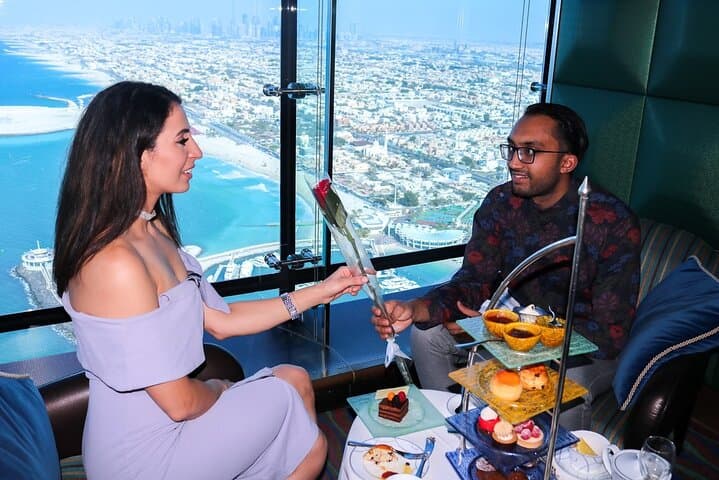
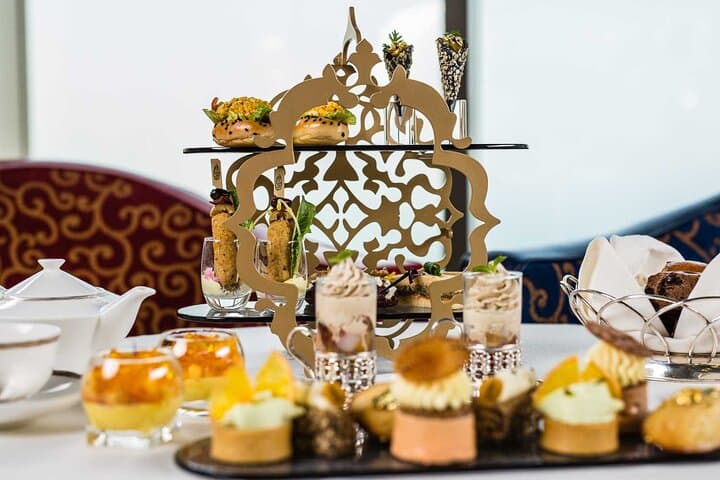
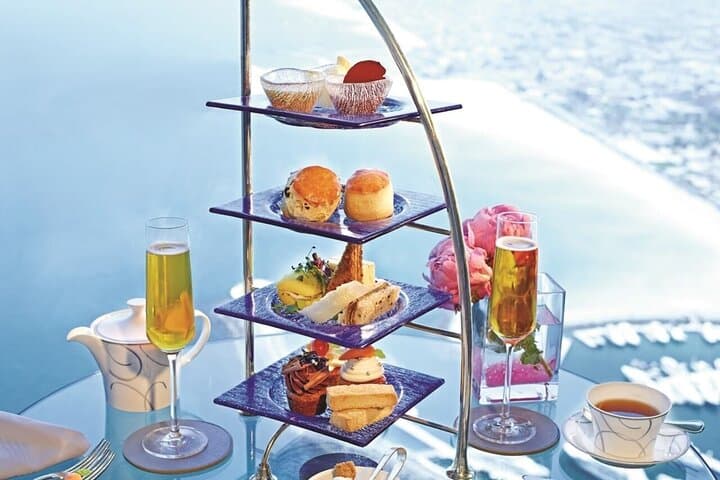
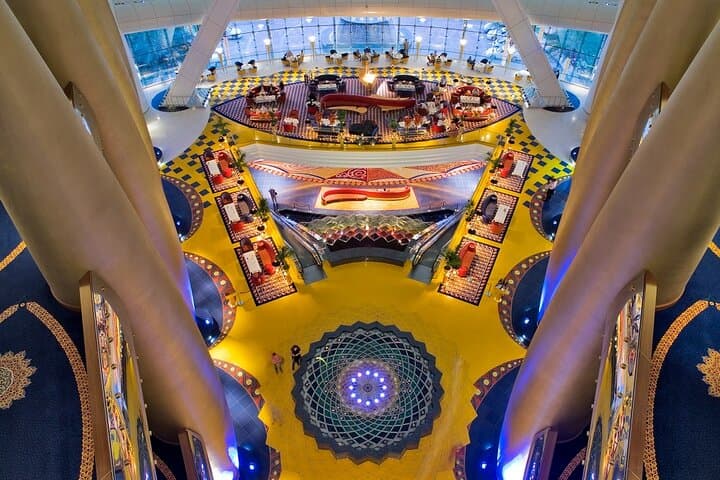
Guests enter an enormous atrium that seems to inhale light—piano notes ripple through the air while attendants lay out tiered trays of pastries, savory bites and signature teas. The Sahn Eddar lounge, set above the atrium, offers uninterrupted vertical views of the interior and a theatrical setting for afternoon high tea.
Built on a man‑made island and opened in 1999, Burj Al Arab quickly became Dubai’s icon of luxury and a showcase of contemporary Arabian hospitality. The building’s sail silhouette and lavish interiors reflect the Emirate’s rapid coastal development and appetite for architectural spectacle.
Practical details matter: the experience runs roughly two hours, includes transfers, and offers alcoholic options for guests over 18. Security checks and a dress code—smart casual, no beachwear—are enforced. Reservations are required and often fill weeks in advance, so book early and confirm pickup details when you reserve.
Timing your visit around late afternoon makes the atrium glow while avoiding midday heat; winter months are more comfortable for walking to nearby viewpoints. Carry ID for verification, bring a small camera for interior shots (ask staff about restricted areas), and allow extra time if you plan to explore adjacent Jumeirah sights after tea.
The visit is as much about choreography as cuisine: the tea service, the pianist, the atrium, and the slow, deliberate pleasures of one of Dubai’s most photographed interiors.
easy.
2 hours.
Minimal physical exertion; suitable for most fitness levels
Yes—smart casual is required; avoid beachwear, flip‑flops, and gym attire. The hotel enforces the dress policy at entry.
Yes, an alcoholic option is offered but only to guests aged 18 and over; carry ID for verification.
Walk‑ins are uncommon—reservations are recommended and often required, especially during peak travel seasons.
The Burj Al Arab provides accessible entry and facilities; notify the operator at booking to arrange assistance and transfers.
Opened in 1999 on an artificial island, Burj Al Arab became Dubai’s signature luxury landmark and one of the most photographed buildings in the emirate.
The hotel sits on reclaimed coastline; visitors should minimize single‑use plastics and choose shared transfers to reduce local traffic and coastal impact.
ROYAL FALCON LLC operates guided outdoor trips and adventures with an emphasis on safety, stewardship, and memorable experiences.
Approaching the Burj Al Arab, the 340‑metre private causeway frames the hotel like an invitation; glass and gold gleam as the tower rises from the Persian Gulf.
Approaching the Burj Al Arab, the 340‑metre private causeway frames the hotel like an invitation; glass and gold gleam as the tower rises from the Persian Gulf.
Guests enter an enormous atrium that seems to inhale light—piano notes ripple through the air while attendants lay out tiered trays of pastries, savory bites and signature teas. The Sahn Eddar lounge, set above the atrium, offers uninterrupted vertical views of the interior and a theatrical setting for afternoon high tea.
Built on a man‑made island and opened in 1999, Burj Al Arab quickly became Dubai’s icon of luxury and a showcase of contemporary Arabian hospitality. The building’s sail silhouette and lavish interiors reflect the Emirate’s rapid coastal development and appetite for architectural spectacle.
Practical details matter: the experience runs roughly two hours, includes transfers, and offers alcoholic options for guests over 18. Security checks and a dress code—smart casual, no beachwear—are enforced. Reservations are required and often fill weeks in advance, so book early and confirm pickup details when you reserve.
Timing your visit around late afternoon makes the atrium glow while avoiding midday heat; winter months are more comfortable for walking to nearby viewpoints. Carry ID for verification, bring a small camera for interior shots (ask staff about restricted areas), and allow extra time if you plan to explore adjacent Jumeirah sights after tea.
The visit is as much about choreography as cuisine: the tea service, the pianist, the atrium, and the slow, deliberate pleasures of one of Dubai’s most photographed interiors.