THE ADVENTURE COLLECTIVE® · Independent discovery and booking for outdoor travel

A long day from Bishkek that threads Silk Road ruins, striking red canyons, and the shimmering shore of Issyk‑Kul. Ideal for travelers who want history, short hikes, and alpine lake views in a single, transport-forward itinerary.
A long day from Bishkek that threads Silk Road ruins, striking red canyons, and the shimmering shore of Issyk‑Kul. Ideal for travelers who want history, short hikes, and alpine lake views in a single, transport-forward itinerary.
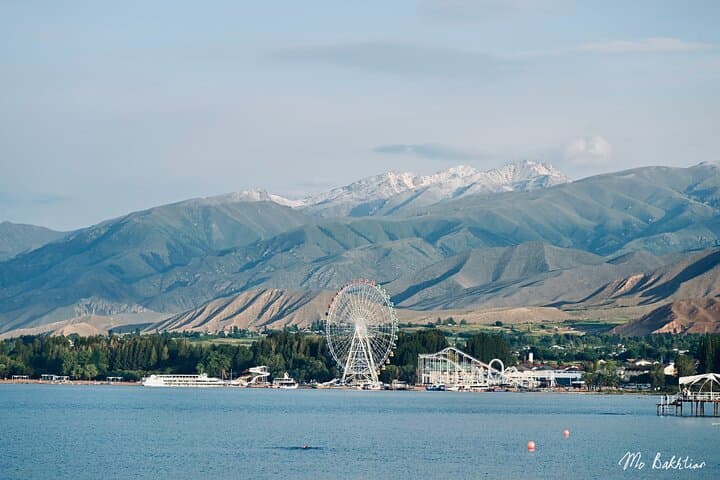
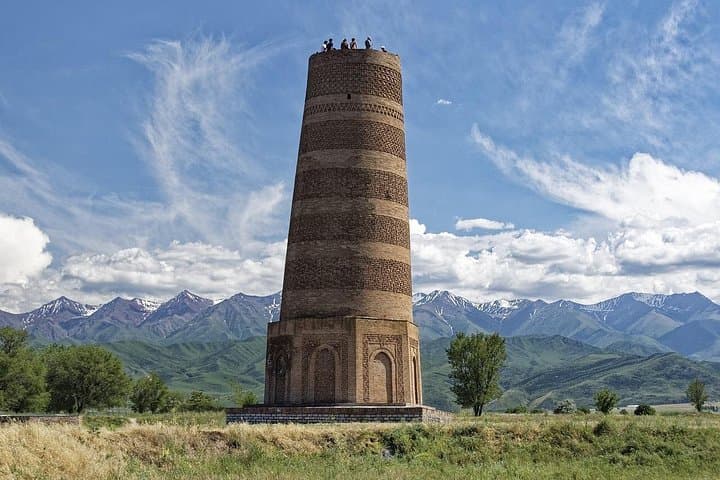
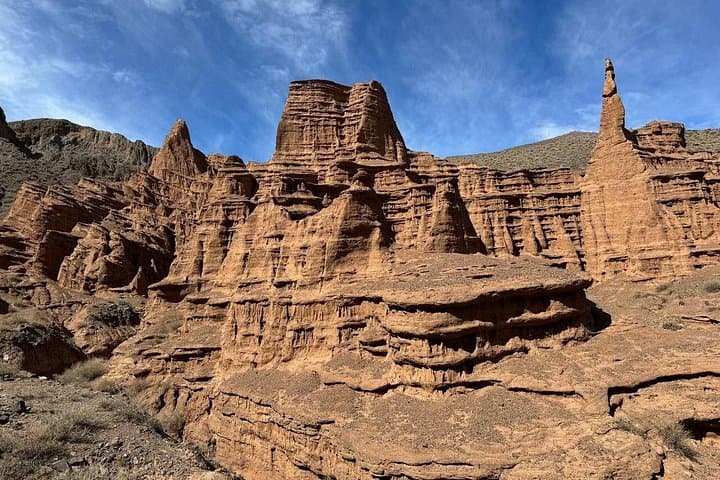
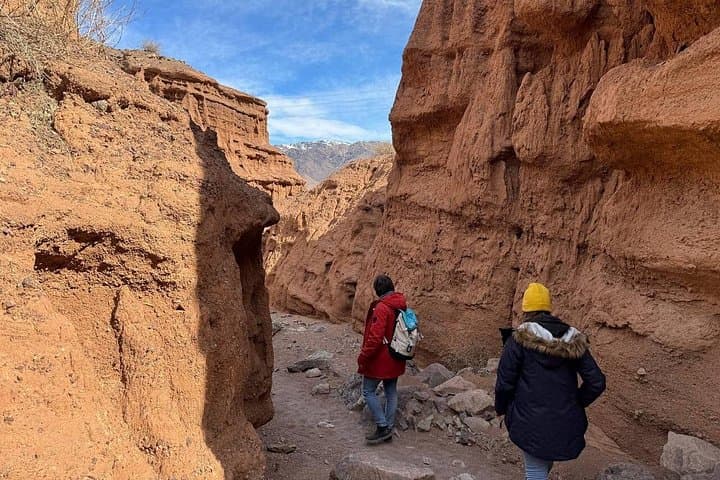
The day begins on a wide Kyrgyz steppe road as the skyline opens to a solitary brick minaret—Burana Tower rising like a timeworn compass needle against the blue. You climb a narrow stone stair for a view over lowland ruins, walk among carved balbal gravestones, then shift from human history to the raw geometry of Kok Moynok’s red canyons: narrow gullies, fluted walls, and salt-bleached benches that dare you to pick a hidden path. The journey finishes at Issyk‑Kul’s vast reflective rim, where alpine air carries a cold edge and the shore stretches like an inland sea.
Verified experiences and guided adventures in the surrounding area.
Operated by ALEX · Bishkek, Chuy Region
The day begins on a wide Kyrgyz steppe road as the skyline opens to a solitary brick minaret—Burana Tower rising like a timeworn compass needle against the blue. You climb a narrow stone stair for a view over lowland ruins, walk among carved balbal gravestones, then shift from human history to the raw geometry of Kok Moynok’s red canyons: narrow gullies, fluted walls, and salt-bleached benches that dare you to pick a hidden path. The journey finishes at Issyk‑Kul’s vast reflective rim, where alpine air carries a cold edge and the shore stretches like an inland sea.
This route stitches Silk Road history and Tien Shan geology. Burana marks the medieval city of Balasagun and remnants of the Karakhanid era; its bricks and petroglyphs speak to centuries of nomadic trade. Kok Moynok’s colors come from oxidized minerals and past glacial sculpting; expect sandy scree and exposed strata. Issyk‑Kul is the world’s second-largest saline alpine lake, held by surrounding peaks and culturally important as a regional gathering place.
Practical guidance: plan for a long day—14–16 hours round trip from Bishkek with 3–4 hours driving each way. Short hikes here are 1–3 km with modest elevation changes (under ~200 m); terrain ranges from packed earth to loose scree. Wear sturdy shoes, sun protection, and carry at least 1.5–2 L of water. There’s a lunch stop at a Uyghur restaurant and restroom access at main sites, but cash and layered clothing are useful for variable winds and temperatures. Expect bilingual guides, easy walking at historical sites, and photo stops at vistas—this is a full, transport-heavy day that pairs culture, geology, and shoreline serenity.
moderate.
14–16 hours.
Suitable for people in average fitness: short hikes (1–3 km) with low-to-moderate elevation changes, but expect a long day of travel and standing.
Expect roughly 3–4 hours each way depending on traffic and stops; the full itinerary is typically 14–16 hours.
No single hike is long or technical—most walks are 1–3 km on uneven ground with modest elevation gain under ~200 m.
Yes, the tour includes lunch at a noted Uyghur restaurant offering local nomadic dishes; bring snacks if you have dietary restrictions.
Yes—visitors can ascend the restored internal staircase to the 25 m viewing level, though stairs are steep and narrow.
Burana Tower is the remaining minaret of Balasagun, a Silk Road city influential under the Karakhanid dynasty; the site contains petroglyphs and Turkic balbal gravestones.
Issyk‑Kul’s saline ecosystem and fragile canyon soils are sensitive to erosion and litter; stay on marked paths, limit single-use plastics, and respect local grazing land.
ALEX operates guided outdoor trips and adventures with an emphasis on safety, stewardship, and memorable experiences.
The day begins on a wide Kyrgyz steppe road as the skyline opens to a solitary brick minaret—Burana Tower rising like a timeworn compass needle against the blue. You climb a narrow stone stair for a view over lowland ruins, walk among carved balbal gravestones, then shift from human history to the raw geometry of Kok Moynok’s red canyons: narrow gullies, fluted walls, and salt-bleached benches that dare you to pick a hidden path. The journey finishes at Issyk‑Kul’s vast reflective rim, where alpine air carries a cold edge and the shore stretches like an inland sea.
The day begins on a wide Kyrgyz steppe road as the skyline opens to a solitary brick minaret—Burana Tower rising like a timeworn compass needle against the blue. You climb a narrow stone stair for a view over lowland ruins, walk among carved balbal gravestones, then shift from human history to the raw geometry of Kok Moynok’s red canyons: narrow gullies, fluted walls, and salt-bleached benches that dare you to pick a hidden path. The journey finishes at Issyk‑Kul’s vast reflective rim, where alpine air carries a cold edge and the shore stretches like an inland sea.
This route stitches Silk Road history and Tien Shan geology. Burana marks the medieval city of Balasagun and remnants of the Karakhanid era; its bricks and petroglyphs speak to centuries of nomadic trade. Kok Moynok’s colors come from oxidized minerals and past glacial sculpting; expect sandy scree and exposed strata. Issyk‑Kul is the world’s second-largest saline alpine lake, held by surrounding peaks and culturally important as a regional gathering place.
Practical guidance: plan for a long day—14–16 hours round trip from Bishkek with 3–4 hours driving each way. Short hikes here are 1–3 km with modest elevation changes (under ~200 m); terrain ranges from packed earth to loose scree. Wear sturdy shoes, sun protection, and carry at least 1.5–2 L of water. There’s a lunch stop at a Uyghur restaurant and restroom access at main sites, but cash and layered clothing are useful for variable winds and temperatures. Expect bilingual guides, easy walking at historical sites, and photo stops at vistas—this is a full, transport-heavy day that pairs culture, geology, and shoreline serenity.