THE ADVENTURE COLLECTIVE® · Independent discovery and booking for outdoor travel

Step into a former coastal bunker on Jeju where 360° projections transform concrete into moving art. This guide covers what you'll see, local context, and practical tips for visiting.
Step into a former coastal bunker on Jeju where 360° projections transform concrete into moving art. This guide covers what you'll see, local context, and practical tips for visiting.
You push open a heavy door and the bunker exhales light. Darkness gives way to floors, walls and ceilings moving in concert—geometric mosaics melt into color fields, then reassemble into abstract figures that seem to step off the concrete.
Verified experiences and guided adventures in the surrounding area.
Operated by GlobalTix Pte Ltd · Seogwipo, Jeju Province
You push open a heavy door and the bunker exhales light. Darkness gives way to floors, walls and ceilings moving in concert—geometric mosaics melt into color fields, then reassemble into abstract figures that seem to step off the concrete.
Bunker des Lumières occupies a former coastal communications bunker on eastern Jeju, a place whose bones recall wartime vigilance and whose present life is projection and sound. The island’s volcanic bedrock and windswept shoreline frame the story outside; inside, contemporary curators stitch large-scale digital shows to local themes—occasionally pairing Kandinsky and Klee with Jeju-inspired works that nod to Buddhist rituals and island folklore.
Geology is never far: the bunker’s concrete sits atop basalt shaped by past eruptions, and nearby cliffs at Seopjikoji show the same black lava flow weathered into coastal terraces. Culturally, Jeju’s history of fishing communities, shamanic practice and maritime trade gives context to exhibitions that sometimes reference seasonal tides and island life.
Practically, plan 45–120 minutes depending on rotating exhibitions. The venue is low-lit and uses immersive sound—bring a charged phone for photos (no flash or tripods), and consider ear protection if you are sound-sensitive. Free parking is available; public transit reaches the area but taxis and rental cars are the most direct option. Last entry is typically 5:30 PM; check current schedules and exhibition lineups before arrival. Follow on-site rules to protect projections and the historic structure—observe ropes, avoid leaning on surfaces, and be mindful of other visitors in tighter gallery rooms.
Bunker des Lumières rewards curiosity: it turns a utilitarian concrete shell into a place where light takes on motion and history listens back.
easy.
45–120 minutes.
Suitable for all fitness levels; mostly standing and gentle walking on flat concrete surfaces
Exhibitions typically take between 45 minutes and 2 hours depending on how much time you spend in each projection room and any rotating shows.
Children under 36 months may enter free; age categories vary (children 3–12, youth 13–18, adults 19+). Check ID requirements for infants if needed.
Yes—non-flash photography is permitted, but flash and tripods are strictly prohibited to protect the displays and other visitors.
Driving or a taxi is the most direct option; some public buses serve eastern Jeju but schedules can be sparse—plan transit times accordingly.
The venue repurposes a former coastal military communications bunker—its concrete shells are part of Jeju’s 20th-century defensive infrastructure.
The site manages visitor flow to protect historic fabric and fragile projections; minimize phone flash use and follow on-site guidance to reduce wear on exhibits.
GlobalTix Pte Ltd operates guided outdoor trips and adventures with an emphasis on safety, stewardship, and memorable experiences.
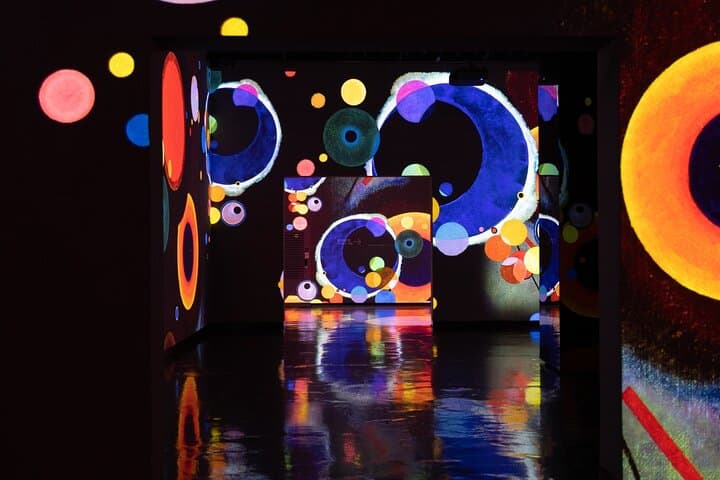
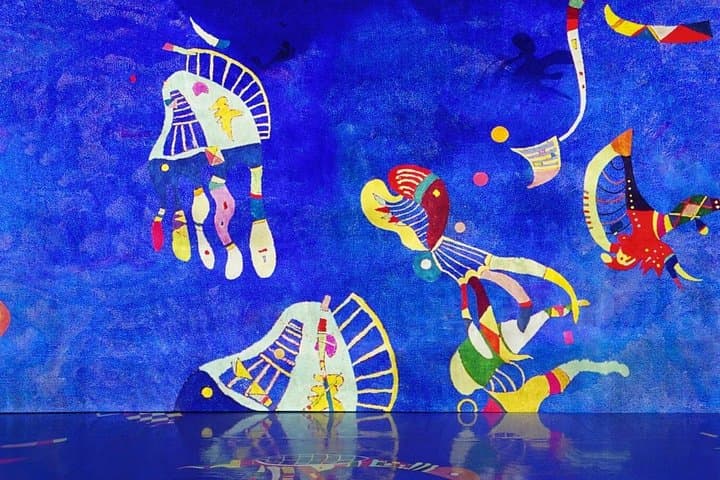
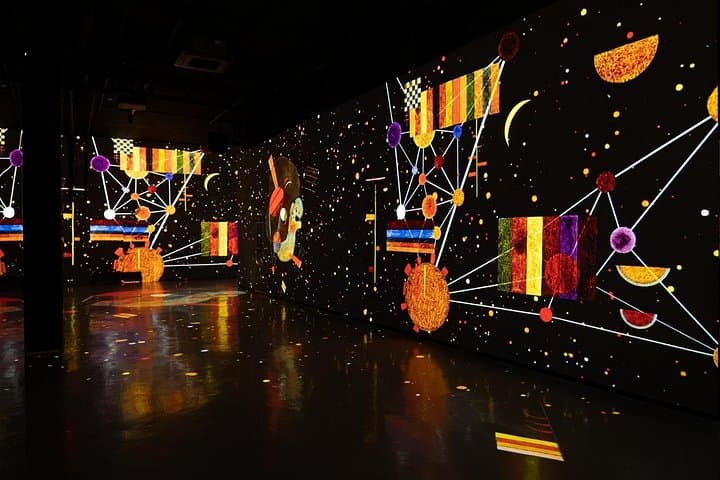
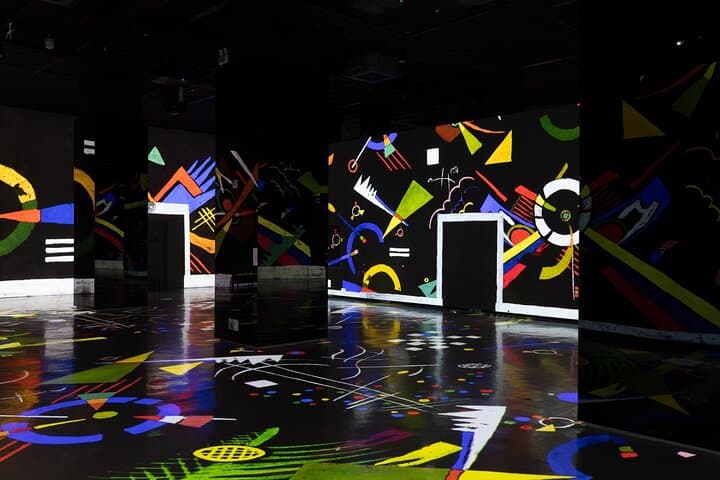
You push open a heavy door and the bunker exhales light. Darkness gives way to floors, walls and ceilings moving in concert—geometric mosaics melt into color fields, then reassemble into abstract figures that seem to step off the concrete.
You push open a heavy door and the bunker exhales light. Darkness gives way to floors, walls and ceilings moving in concert—geometric mosaics melt into color fields, then reassemble into abstract figures that seem to step off the concrete.
Bunker des Lumières occupies a former coastal communications bunker on eastern Jeju, a place whose bones recall wartime vigilance and whose present life is projection and sound. The island’s volcanic bedrock and windswept shoreline frame the story outside; inside, contemporary curators stitch large-scale digital shows to local themes—occasionally pairing Kandinsky and Klee with Jeju-inspired works that nod to Buddhist rituals and island folklore.
Geology is never far: the bunker’s concrete sits atop basalt shaped by past eruptions, and nearby cliffs at Seopjikoji show the same black lava flow weathered into coastal terraces. Culturally, Jeju’s history of fishing communities, shamanic practice and maritime trade gives context to exhibitions that sometimes reference seasonal tides and island life.
Practically, plan 45–120 minutes depending on rotating exhibitions. The venue is low-lit and uses immersive sound—bring a charged phone for photos (no flash or tripods), and consider ear protection if you are sound-sensitive. Free parking is available; public transit reaches the area but taxis and rental cars are the most direct option. Last entry is typically 5:30 PM; check current schedules and exhibition lineups before arrival. Follow on-site rules to protect projections and the historic structure—observe ropes, avoid leaning on surfaces, and be mindful of other visitors in tighter gallery rooms.
Bunker des Lumières rewards curiosity: it turns a utilitarian concrete shell into a place where light takes on motion and history listens back.