THE ADVENTURE COLLECTIVE® · Independent discovery and booking for outdoor travel

Experience a private 4x4 safari through Bundala’s Ramsar wetlands to watch migratory waterbirds, colorful butterflies and coastal wildlife. This three-hour tour emphasizes patient observation, local knowledge and easy, low-elevation terrain—perfect for photographers and birders.
Experience a private 4x4 safari through Bundala’s Ramsar wetlands to watch migratory waterbirds, colorful butterflies and coastal wildlife. This three-hour tour emphasizes patient observation, local knowledge and easy, low-elevation terrain—perfect for photographers and birders.
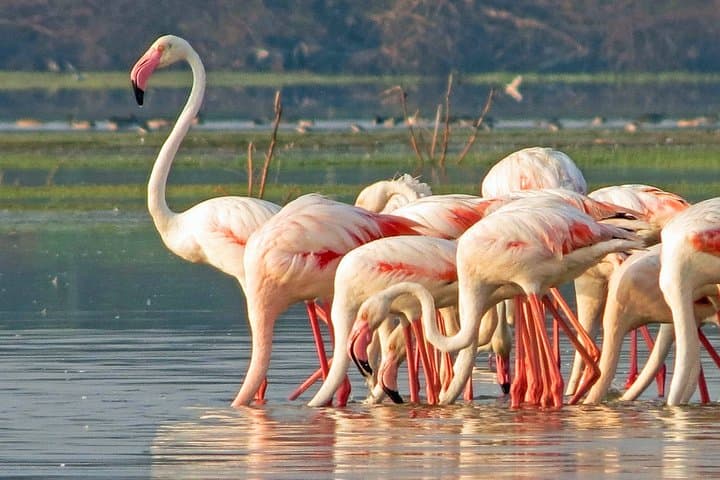
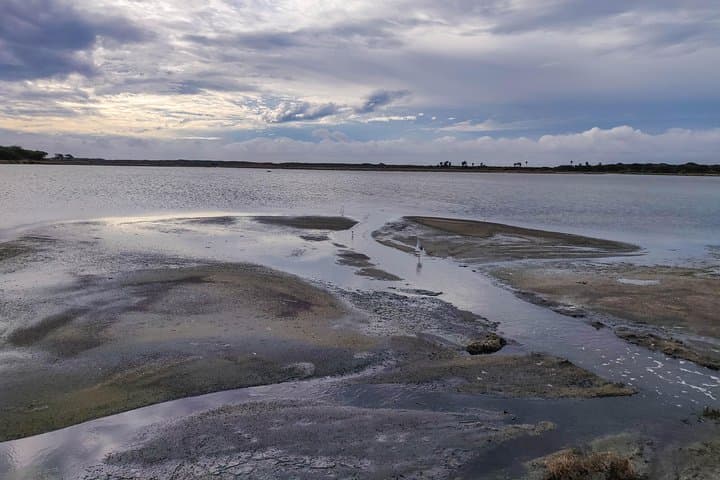
The jeep eases through a salt-scarred track and the air tastes of brine and reeds. Shallow lagoons open like mirrors to the sky; avocets and flamingos pivot on long legs, while a hush falls as the driver idles and a chorus of beaks tunes the morning.
Verified experiences and guided adventures in the surrounding area.
Operated by Lakpura LLC · Hambantota, Southern Province
The jeep eases through a salt-scarred track and the air tastes of brine and reeds. Shallow lagoons open like mirrors to the sky; avocets and flamingos pivot on long legs, while a hush falls as the driver idles and a chorus of beaks tunes the morning.
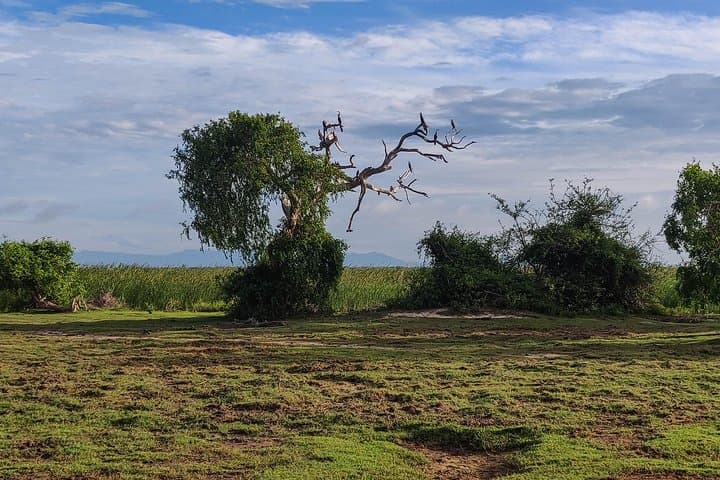
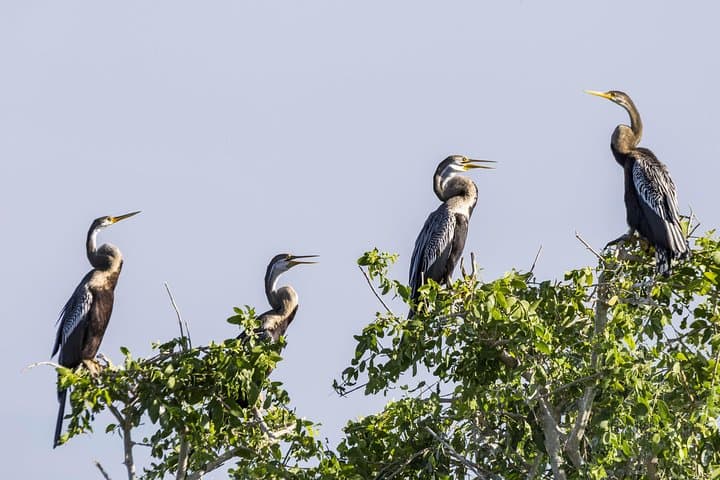
Bundala National Park is a Ramsar-listed wetland on Sri Lanka’s southern coast. Designated a wildlife sanctuary in 1969 and a national park in 1993, its mosaic of lagoons, salt flats, scrub and marsh supports roughly 200 bird species and a rich cast of mammals, reptiles and butterflies. The geology is flat coastal plain—sandy soils, tidal channels and clay pans shaped by monsoon cycles—so most viewing happens from low, slow-moving 4x4 tracks rather than steep trails.
Culturally, the park sits amid fishing villages and ancient coastal temples; itineraries often include conversation with local guides who read tides and migration patterns. Expect compact, observational wildlife encounters rather than long treks—this is about patient optics and quiet observation.
Practical guidance: tours run about three hours in a multi-terrain 4x4 with experienced trackers; the route covers several kilometres of park roads, mostly flat with occasional muddy patches. Bring binoculars and a telephoto lens, sun protection, quick-dry clothing and water. Morning and late afternoon offer cooler light and higher bird activity; during November–March migratory counts peak. Respect marked tracks, keep noise low, and let the birds set the pace—here, nature invites you to watch and learn rather than conquer.
moderate.
3 hours.
Moderate fitness—able to step in and out of a 4x4 and walk short distances on uneven, sandy ground.
Peak migration runs roughly November to March; mornings and late afternoons during that window offer the highest activity.
Most private safaris include pickup and drop-off within a local radius—confirm exact pickup point when booking.
Yes; the safari is vehicle-based with short, gentle walks—travellers should have moderate mobility and no serious cardiovascular issues.
Vehicles stay on park tracks and maintain respectful distance; you'll get excellent views of birds and brief sightings of mammals from the jeep and short, guided vantage points.
Bundala was protected initially as a wildlife sanctuary in 1969 and later upgraded to national park status in 1993; its Ramsar listing recognizes its importance as a migratory bird stopover.
The park faces coastal development and water pollution pressures; stick to marked routes, avoid plastics, and support local guides who practice low-impact viewing.
Lakpura LLC operates guided outdoor trips and adventures with an emphasis on safety, stewardship, and memorable experiences.
The jeep eases through a salt-scarred track and the air tastes of brine and reeds. Shallow lagoons open like mirrors to the sky; avocets and flamingos pivot on long legs, while a hush falls as the driver idles and a chorus of beaks tunes the morning.
The jeep eases through a salt-scarred track and the air tastes of brine and reeds. Shallow lagoons open like mirrors to the sky; avocets and flamingos pivot on long legs, while a hush falls as the driver idles and a chorus of beaks tunes the morning.
Bundala National Park is a Ramsar-listed wetland on Sri Lanka’s southern coast. Designated a wildlife sanctuary in 1969 and a national park in 1993, its mosaic of lagoons, salt flats, scrub and marsh supports roughly 200 bird species and a rich cast of mammals, reptiles and butterflies. The geology is flat coastal plain—sandy soils, tidal channels and clay pans shaped by monsoon cycles—so most viewing happens from low, slow-moving 4x4 tracks rather than steep trails.
Culturally, the park sits amid fishing villages and ancient coastal temples; itineraries often include conversation with local guides who read tides and migration patterns. Expect compact, observational wildlife encounters rather than long treks—this is about patient optics and quiet observation.
Practical guidance: tours run about three hours in a multi-terrain 4x4 with experienced trackers; the route covers several kilometres of park roads, mostly flat with occasional muddy patches. Bring binoculars and a telephoto lens, sun protection, quick-dry clothing and water. Morning and late afternoon offer cooler light and higher bird activity; during November–March migratory counts peak. Respect marked tracks, keep noise low, and let the birds set the pace—here, nature invites you to watch and learn rather than conquer.