THE ADVENTURE COLLECTIVE® · Independent discovery and booking for outdoor travel

Slow jeep tracks, shimmering lagoons and a parade of shorebirds define Bundala National Park. This four-hour safari is a compact, high-yield wildlife outing for birdwatchers and general nature lovers.
Slow jeep tracks, shimmering lagoons and a parade of shorebirds define Bundala National Park. This four-hour safari is a compact, high-yield wildlife outing for birdwatchers and general nature lovers.
The jeep moves slowly along the salt-scarred tracks as a low, brackish lagoon stretches to the horizon and a rhythm of wading birds punctuates the air. In Bundala National Park, the landscape shifts from open sand flats and saline pans to mangrove channels and scrubby coastal dunes, and every change in terrain redraws the bird list.
Verified experiences and guided adventures in the surrounding area.
Operated by Yala Leopard Eye Safari · Hambantota, Southern Province
The jeep moves slowly along the salt-scarred tracks as a low, brackish lagoon stretches to the horizon and a rhythm of wading birds punctuates the air. In Bundala National Park, the landscape shifts from open sand flats and saline pans to mangrove channels and scrubby coastal dunes, and every change in terrain redraws the bird list.
Once recognized under the Ramsar convention for its importance to migratory shorebirds, Bundala’s mix of freshwater tanks and tidal lagoons supports hundreds of species. Geologically, the park is a coastal wetland complex where sedimentation and tidal exchange create shallow feeding flats; culturally, it sits amid small fishing villages and ancient temples, so human activity and wildlife coexist in observable ways.
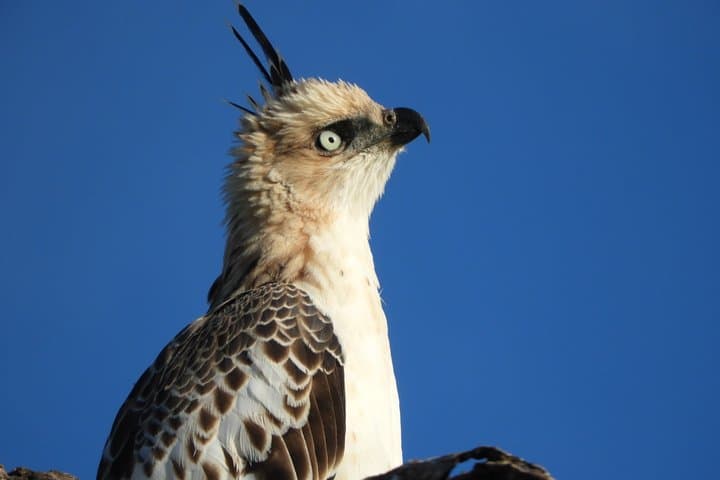
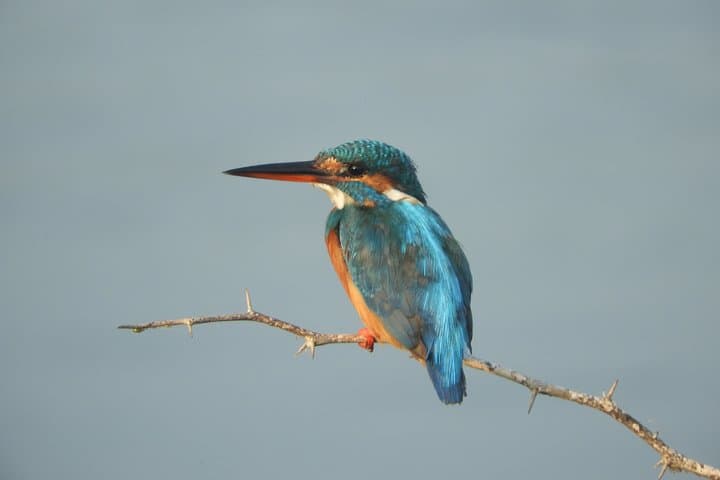
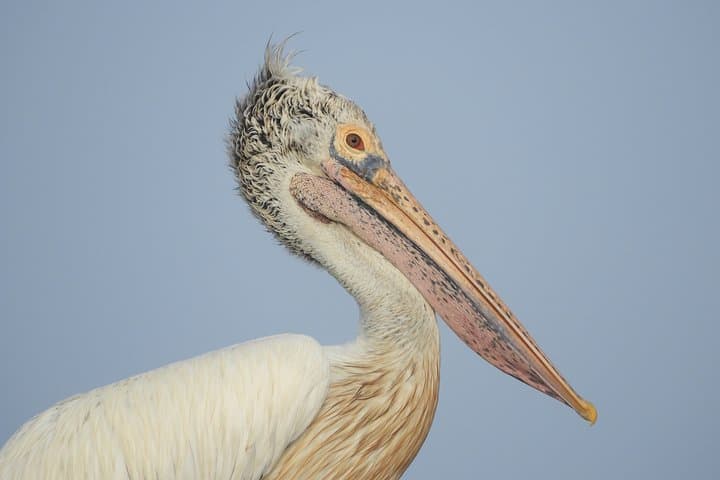
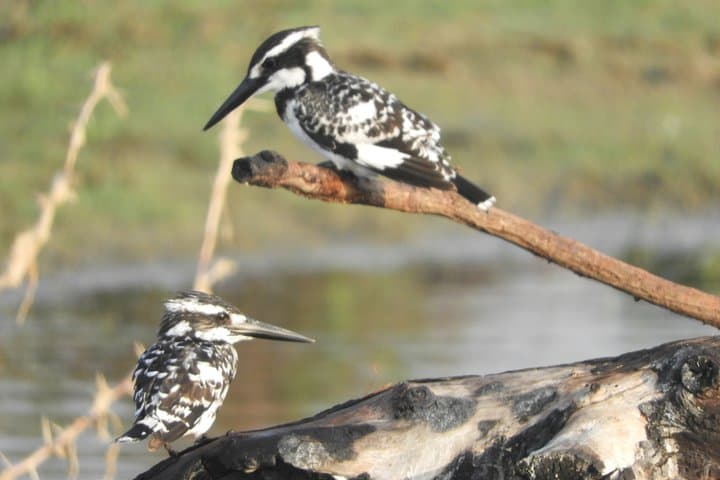
A typical four-hour safari brings chances to see flamingos, black-tailed godwits, and plovers alongside larger fauna: Sri Lankan elephants move through scrub, and mugger crocodiles line quieter channels. Guides read the waterline and bird flocks like weather charts—timing, tide, and wind determine where the birds concentrate.
For practical planning: bring binoculars, neutral clothing, and sun protection; expect bumpy rides and early starts to catch feeding peaks. Travel light, keep noise low, and follow your tracker’s cues for safe distances from elephants and nesting birds. Bottled water is usually provided, but carry snacks and a small daypack.
Bundala rewards patience—watching a tight formation of migratory shorebirds lift and wheel feels deliberate, almost conversational, as the landscape obliges and the wildlife answers.
easy.
4 hours.
Suitable for most fitness levels; involves sitting in an open 4x4 and occasional short, flat walks; expect bumpy terrain.
Peak months for migrants are generally October–March; however, Bundala supports resident species year-round so visits outside these months are still productive.
Yes—safaris are family-friendly, but infants must sit on laps and children should follow safety instructions due to open vehicles and wildlife proximity.
This offering is a private jeep safari with a driver/tracker; private transport and pickup around the Yala area are included.
Trackers will position the jeep for good viewing but maintain safe distances; do not attempt to approach or feed wildlife and follow the guide’s directions.
Bundala is recognized as a key wetland under international conservation frameworks and has long been important for migratory shorebirds and local fisheries.
Visitor impact is managed by restricting off-track driving and enforcing distance from nests; avoid littering and use guides who follow park regulations to minimize disturbance.
Yala Leopard Eye Safari operates guided outdoor trips and adventures with an emphasis on safety, stewardship, and memorable experiences.
The jeep moves slowly along the salt-scarred tracks as a low, brackish lagoon stretches to the horizon and a rhythm of wading birds punctuates the air. In Bundala National Park, the landscape shifts from open sand flats and saline pans to mangrove channels and scrubby coastal dunes, and every change in terrain redraws the bird list.
The jeep moves slowly along the salt-scarred tracks as a low, brackish lagoon stretches to the horizon and a rhythm of wading birds punctuates the air. In Bundala National Park, the landscape shifts from open sand flats and saline pans to mangrove channels and scrubby coastal dunes, and every change in terrain redraws the bird list.
Once recognized under the Ramsar convention for its importance to migratory shorebirds, Bundala’s mix of freshwater tanks and tidal lagoons supports hundreds of species. Geologically, the park is a coastal wetland complex where sedimentation and tidal exchange create shallow feeding flats; culturally, it sits amid small fishing villages and ancient temples, so human activity and wildlife coexist in observable ways.
A typical four-hour safari brings chances to see flamingos, black-tailed godwits, and plovers alongside larger fauna: Sri Lankan elephants move through scrub, and mugger crocodiles line quieter channels. Guides read the waterline and bird flocks like weather charts—timing, tide, and wind determine where the birds concentrate.
For practical planning: bring binoculars, neutral clothing, and sun protection; expect bumpy rides and early starts to catch feeding peaks. Travel light, keep noise low, and follow your tracker’s cues for safe distances from elephants and nesting birds. Bottled water is usually provided, but carry snacks and a small daypack.
Bundala rewards patience—watching a tight formation of migratory shorebirds lift and wheel feels deliberate, almost conversational, as the landscape obliges and the wildlife answers.