THE ADVENTURE COLLECTIVE® · Independent discovery and booking for outdoor travel

Camp on the high Pamir plateau at Bulunkul: tents on the lakeshore, guided treks, climbs and rafting nearby. This guide covers what to expect, how to prepare, and local insights for a safe, high-altitude trip.
Camp on the high Pamir plateau at Bulunkul: tents on the lakeshore, guided treks, climbs and rafting nearby. This guide covers what to expect, how to prepare, and local insights for a safe, high-altitude trip.
A cold wind runs across the lake as evening sets the Pamir sky alight; canvas tents huddle on gravel, and distant ridgelines darken into a jagged horizon. At Bulunkul High Altitude Camp you sleep where the plateau meets the peaks—thin air, wide light, and the steady hush of a high-mountain world that seems to test your appetite for altitude and quiet.
Verified experiences and guided adventures in the surrounding area.
Operated by Pamir Trips · Khorog, Gorno-Badakhshan
A cold wind runs across the lake as evening sets the Pamir sky alight; canvas tents huddle on gravel, and distant ridgelines darken into a jagged horizon. At Bulunkul High Altitude Camp you sleep where the plateau meets the peaks—thin air, wide light, and the steady hush of a high-mountain world that seems to test your appetite for altitude and quiet.
The Pamirs have long been a crossroads of Silk Road trade routes and pastoral life; the plateau’s geology is a mosaic of uplifted sedimentary layers, glacial valleys, and scree slopes carved by ancient ice. Local Tajik and Kyrgyz culture shows in the food, songs, and the simple, practical hospitality of camp crews. The region’s lakes and rivers—fed by snowmelt—power short, technical rafting runs and feed trout-rich shores.
Practical guidance: prepare for elevation (camp sits around high-altitude plateau elevations), dress in layers for strong sun by day and below-freezing nights, and plan a two- or three-day acclimatization window before any technical climbs. Footing varies from firm alpine pasture to loose talus on approach routes; stiff-soled boots with ankle support are recommended. The operator provides tents, meals, route planning and some internet access, but expect limited phone coverage and simple sanitary setups.
Expect guided options: day treks to ridgelines, multi-day treks across the plateau, introductory alpine climbs, and guided rafting on nearby mountain rivers. Respect grazing lands and fragile alpine plants—pack out waste, follow guide directions, and let the place keep its quiet.
challenging.
3–10 days.
Good cardiovascular fitness and prior multi-day hiking experience recommended; ability to handle long days at altitude.
The lake and surrounding camp sit on the high Pamir plateau, typically around 3,500–4,000 meters above sea level; exact elevation varies by camp location.
Most travelers reach Bulunkul by a multi-hour drive on unpaved mountain roads from Khorog or Murghab; transfers are usually arranged by the operator.
The base camp has basic comforts and can accommodate a range of guests, but all visitors should be cautious about altitude and consider extra acclimatization time.
Operators typically provide breakfast, lunch and dinner, basic camping tents, and optional gear rental; confirm specifics and any dietary needs when booking.
The Pamirs served as a high-altitude corridor on Silk Road routes and later as a strategic frontier during the Russian and Soviet eras, shaping local settlement patterns and pastoralism.
This is a fragile alpine ecosystem—stick to durable surfaces, pack out all waste, and follow guide instructions to protect grazing lands and water quality.
Pamir Trips operates guided outdoor trips and adventures with an emphasis on safety, stewardship, and memorable experiences.
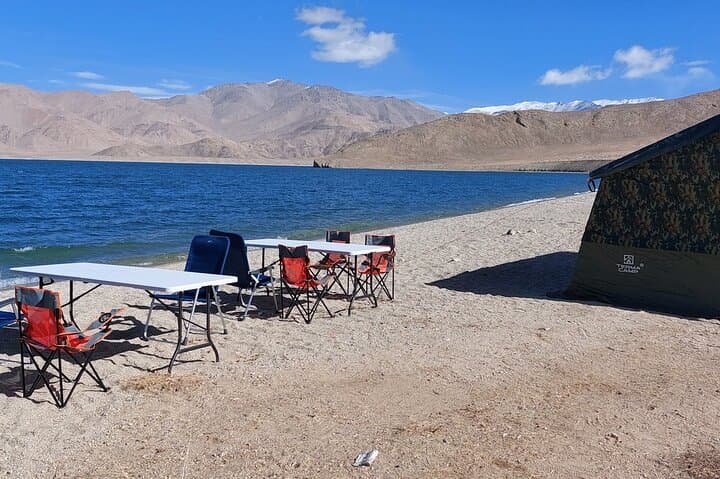
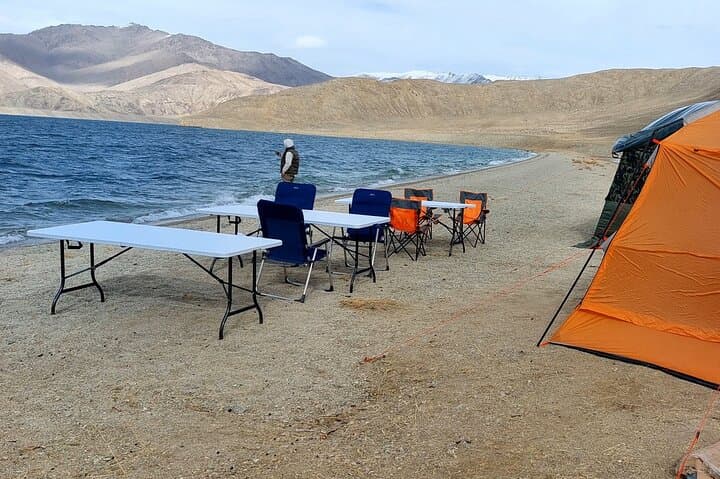
A cold wind runs across the lake as evening sets the Pamir sky alight; canvas tents huddle on gravel, and distant ridgelines darken into a jagged horizon. At Bulunkul High Altitude Camp you sleep where the plateau meets the peaks—thin air, wide light, and the steady hush of a high-mountain world that seems to test your appetite for altitude and quiet.
A cold wind runs across the lake as evening sets the Pamir sky alight; canvas tents huddle on gravel, and distant ridgelines darken into a jagged horizon. At Bulunkul High Altitude Camp you sleep where the plateau meets the peaks—thin air, wide light, and the steady hush of a high-mountain world that seems to test your appetite for altitude and quiet.
The Pamirs have long been a crossroads of Silk Road trade routes and pastoral life; the plateau’s geology is a mosaic of uplifted sedimentary layers, glacial valleys, and scree slopes carved by ancient ice. Local Tajik and Kyrgyz culture shows in the food, songs, and the simple, practical hospitality of camp crews. The region’s lakes and rivers—fed by snowmelt—power short, technical rafting runs and feed trout-rich shores.
Practical guidance: prepare for elevation (camp sits around high-altitude plateau elevations), dress in layers for strong sun by day and below-freezing nights, and plan a two- or three-day acclimatization window before any technical climbs. Footing varies from firm alpine pasture to loose talus on approach routes; stiff-soled boots with ankle support are recommended. The operator provides tents, meals, route planning and some internet access, but expect limited phone coverage and simple sanitary setups.
Expect guided options: day treks to ridgelines, multi-day treks across the plateau, introductory alpine climbs, and guided rafting on nearby mountain rivers. Respect grazing lands and fragile alpine plants—pack out waste, follow guide directions, and let the place keep its quiet.