THE ADVENTURE COLLECTIVE® · Independent discovery and booking for outdoor travel

Spend 2–3 hours at Bullswool Heritage Farm exploring rare-breed paddocks, hands-on museums, and a native bird reserve in the Coromandel. This family-friendly entry gives close animal encounters and local farming history in an accessible hill-country setting.
Spend 2–3 hours at Bullswool Heritage Farm exploring rare-breed paddocks, hands-on museums, and a native bird reserve in the Coromandel. This family-friendly entry gives close animal encounters and local farming history in an accessible hill-country setting.
A low-slung barn door opens to a farmyard chorus: sheep bleat, hens cluck and a pair of tūī call from the ridgeline. Walkways thread through 100 acres of hill country and pockets of mature native bush; the air is a mix of cut grass and wet earth after rain. From the entry gate you can choose a gentle circuit past rare-breed paddocks, the Sheepshed Museum, and a native bird reserve that rewards slow steps with close-up encounters.
Verified experiences and guided adventures in the surrounding area.
Operated by Bullswool Heritage Farm · Karangahake, Waikato
A low-slung barn door opens to a farmyard chorus: sheep bleat, hens cluck and a pair of tūī call from the ridgeline. Walkways thread through 100 acres of hill country and pockets of mature native bush; the air is a mix of cut grass and wet earth after rain. From the entry gate you can choose a gentle circuit past rare-breed paddocks, the Sheepshed Museum, and a native bird reserve that rewards slow steps with close-up encounters.
Bullswool sits on land shaped by volcanic outflows and ancient gold-mining routes that carved the nearby Karangahake Gorge. The farm’s museums—an early milking shed, working sheepshed, and historic kauri and gold displays—trace European pioneer farming and local industry while the native bird reserve highlights regional conservation work.
Visitors hand-feed friendly rare breeds, explore museum exhibits about New Zealand’s pastoral past, and follow short walking tracks under kanuka and tōtara. The property’s mix of fenced paddocks, gravel paths and compacted dirt trails make it accessible for families and strollers; wheelchair access is available to main exhibits.
Plan 2–3 hours to move at a relaxed pace: mornings bring cooler light and active birds, afternoons are better for demonstrations in the sheepshed. Wear sturdy shoes for uneven ground and bring a light rain layer—weather in the Coromandel can change quickly. Hydrate between exhibits, supervise children at animal enclosures, and follow staff instructions when feeding animals. Bullswool is both a cultural stop and a hands-on nature experience—simple to do, rich in local detail.
easy.
2–3 hours.
Suitable for most fitness levels; involves short walking sections and standing for displays
Allow 2–3 hours for exhibits, animal feeding and short walks; families may stay longer depending on demonstrations and children’s play areas.
Yes — main exhibits and several paths are stroller- and wheelchair-accessible; ask staff for the best accessible routes.
Yes — many rare-breed animals are hand-feed friendly; follow staff guidance on approved feed and safe handling.
There are picnic and kids’ play areas; check current on-site options for snacks or bring your own picnic.
The farm’s museums document early European farming, local kauri logging and gold-mining that shaped communities around Karangahake Gorge.
Bullswool runs a native bird reserve and has received recognition for local conservation; visitors are asked to follow foothpath rules and not feed wildlife off-site.
Bullswool Heritage Farm operates guided outdoor trips and adventures with an emphasis on safety, stewardship, and memorable experiences.
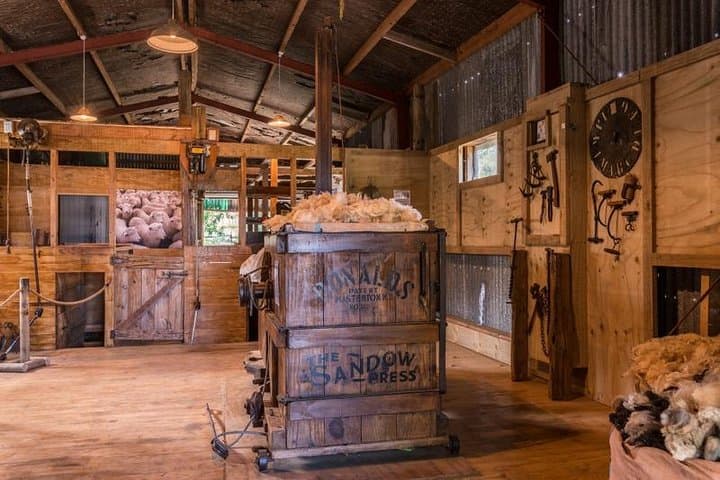
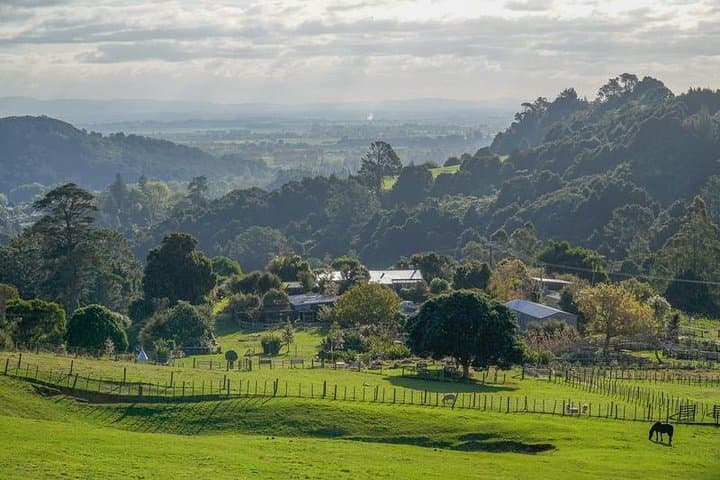
A low-slung barn door opens to a farmyard chorus: sheep bleat, hens cluck and a pair of tūī call from the ridgeline. Walkways thread through 100 acres of hill country and pockets of mature native bush; the air is a mix of cut grass and wet earth after rain. From the entry gate you can choose a gentle circuit past rare-breed paddocks, the Sheepshed Museum, and a native bird reserve that rewards slow steps with close-up encounters.
A low-slung barn door opens to a farmyard chorus: sheep bleat, hens cluck and a pair of tūī call from the ridgeline. Walkways thread through 100 acres of hill country and pockets of mature native bush; the air is a mix of cut grass and wet earth after rain. From the entry gate you can choose a gentle circuit past rare-breed paddocks, the Sheepshed Museum, and a native bird reserve that rewards slow steps with close-up encounters.
Bullswool sits on land shaped by volcanic outflows and ancient gold-mining routes that carved the nearby Karangahake Gorge. The farm’s museums—an early milking shed, working sheepshed, and historic kauri and gold displays—trace European pioneer farming and local industry while the native bird reserve highlights regional conservation work.
Visitors hand-feed friendly rare breeds, explore museum exhibits about New Zealand’s pastoral past, and follow short walking tracks under kanuka and tōtara. The property’s mix of fenced paddocks, gravel paths and compacted dirt trails make it accessible for families and strollers; wheelchair access is available to main exhibits.
Plan 2–3 hours to move at a relaxed pace: mornings bring cooler light and active birds, afternoons are better for demonstrations in the sheepshed. Wear sturdy shoes for uneven ground and bring a light rain layer—weather in the Coromandel can change quickly. Hydrate between exhibits, supervise children at animal enclosures, and follow staff instructions when feeding animals. Bullswool is both a cultural stop and a hands-on nature experience—simple to do, rich in local detail.