THE ADVENTURE COLLECTIVE® · Independent discovery and booking for outdoor travel

Make the most of a cruise stop with a private bullet-train day trip to Beijing. Visit Tiananmen Square, the Forbidden City and choose alternate sites when closures occur — all with port pickup and a local guide.
Make the most of a cruise stop with a private bullet-train day trip to Beijing. Visit Tiananmen Square, the Forbidden City and choose alternate sites when closures occur — all with port pickup and a local guide.
The day begins with the low hum of a high-speed train easing out of Tianjin station — glass and steel blur as you accelerate toward Beijing at 300+ km/h. By midmorning the city’s scale unfolds: broad avenues, the flag in Tiananmen Square, and rows of imperial roofs rising above the tree line.
Verified experiences and guided adventures in the surrounding area.
Operated by Sunflower Tours China · Beijing, Beijing
The day begins with the low hum of a high-speed train easing out of Tianjin station — glass and steel blur as you accelerate toward Beijing at 300+ km/h. By midmorning the city’s scale unfolds: broad avenues, the flag in Tiananmen Square, and rows of imperial roofs rising above the tree line.
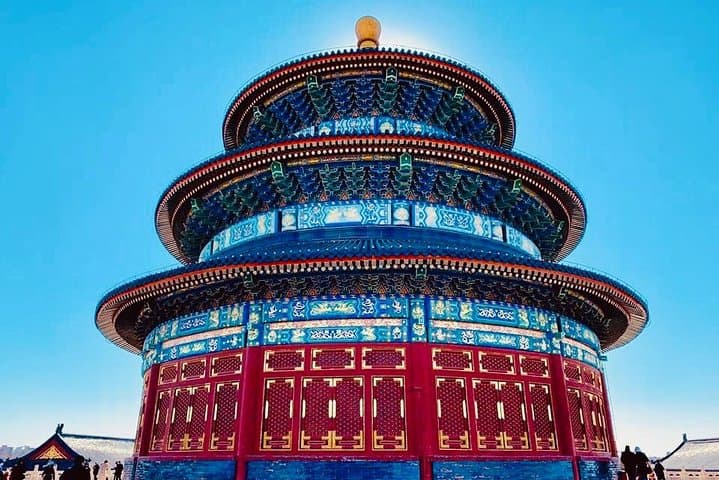
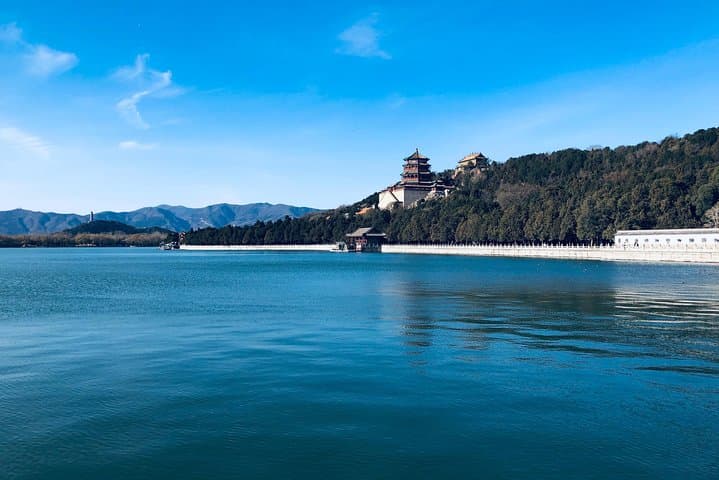
This private shore excursion threads modern motion with imperial history. Walking across Tiananmen Square puts you in the sweep of 20th-century China; a short stride later, the Forbidden City opens into timber halls, gilded brackets and courtyards once reserved for emperors. Geologically, Beijing sits on the flat North China Plain; the urban parks and the Summer Palace’s lake are deliberate water and garden designs carved into that plain to temper summer heat.
Culture and local life surface in small ways — vendors at the Pearl Market, the hush of a hutong alley, tea houses where elderly locals play xiangqi. Guides typically weave stories from Ming and Qing dynasties into practical logistics about ticket lines and timed entries.
Practical notes: the itinerary demands steady walking (ancient palaces aren’t compact), and Monday closures mean the guide will swap in the Lama Temple or Summer Palace. Travelers should carry passport copies for admissions, choose their train class at booking, and expect a full 10-hour day from port pickup to return. Comfortable shoes, layered clothing, and a charged phone for mobile tickets make the difference between rushed sightseeing and a deliberate, memorable day in Beijing.
moderate.
10 hours.
Moderate — you should be comfortable walking several miles and climbing stairs over the course of a day
The high-speed train takes roughly 30–40 minutes one way depending on the service; total trip time including transfers and sightseeing is about 10 hours.
Many private tours include Palace Museum admission; confirm at booking. If not included you will need a timed-ticket purchase on arrival or through the guide where available.
On Mondays the itinerary is adjusted — common substitutions are the Summer Palace, Lama Temple, Drum Tower, or a hutong visit depending on guest interests.
Meals are typically not included unless stated; guides will recommend nearby restaurants or stop at a pre-arranged local restaurant according to the schedule.
The Forbidden City was the imperial seat for Ming and Qing emperors for nearly 500 years; the Tianjin–Beijing rail corridor later tied the port city to the capital, enabling modern shore excursions.
High visitor numbers can stress historic wooden structures and palace gardens; follow marked paths, avoid touching artifacts, and use designated trash bins to lessen impact.
Sunflower Tours China operates guided outdoor trips and adventures with an emphasis on safety, stewardship, and memorable experiences.

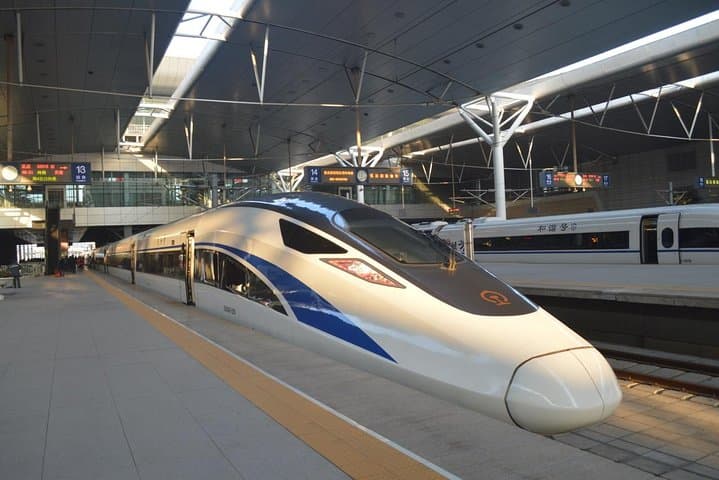
The day begins with the low hum of a high-speed train easing out of Tianjin station — glass and steel blur as you accelerate toward Beijing at 300+ km/h. By midmorning the city’s scale unfolds: broad avenues, the flag in Tiananmen Square, and rows of imperial roofs rising above the tree line.
The day begins with the low hum of a high-speed train easing out of Tianjin station — glass and steel blur as you accelerate toward Beijing at 300+ km/h. By midmorning the city’s scale unfolds: broad avenues, the flag in Tiananmen Square, and rows of imperial roofs rising above the tree line.
This private shore excursion threads modern motion with imperial history. Walking across Tiananmen Square puts you in the sweep of 20th-century China; a short stride later, the Forbidden City opens into timber halls, gilded brackets and courtyards once reserved for emperors. Geologically, Beijing sits on the flat North China Plain; the urban parks and the Summer Palace’s lake are deliberate water and garden designs carved into that plain to temper summer heat.
Culture and local life surface in small ways — vendors at the Pearl Market, the hush of a hutong alley, tea houses where elderly locals play xiangqi. Guides typically weave stories from Ming and Qing dynasties into practical logistics about ticket lines and timed entries.
Practical notes: the itinerary demands steady walking (ancient palaces aren’t compact), and Monday closures mean the guide will swap in the Lama Temple or Summer Palace. Travelers should carry passport copies for admissions, choose their train class at booking, and expect a full 10-hour day from port pickup to return. Comfortable shoes, layered clothing, and a charged phone for mobile tickets make the difference between rushed sightseeing and a deliberate, memorable day in Beijing.