THE ADVENTURE COLLECTIVE® · Independent discovery and booking for outdoor travel

A single-hour bullet-train ride from Shanghai opens a day of temple history, hilltop tea terraces and the China Tea Museum. This private tour pairs cultural context with easy-paced walks and a tea farmer’s lunch.
A single-hour bullet-train ride from Shanghai opens a day of temple history, hilltop tea terraces and the China Tea Museum. This private tour pairs cultural context with easy-paced walks and a tea farmer’s lunch.
You step off the bullet train and the air feels cooler than Shanghai — a mist sits low over West Lake and the city’s stone bridges lean toward their reflections as if in conversation.
Verified experiences and guided adventures in the surrounding area.
Operated by Bill's Fantastic Tour · Hangzhou, Zhejiang
You step off the bullet train and the air feels cooler than Shanghai — a mist sits low over West Lake and the city’s stone bridges lean toward their reflections as if in conversation.
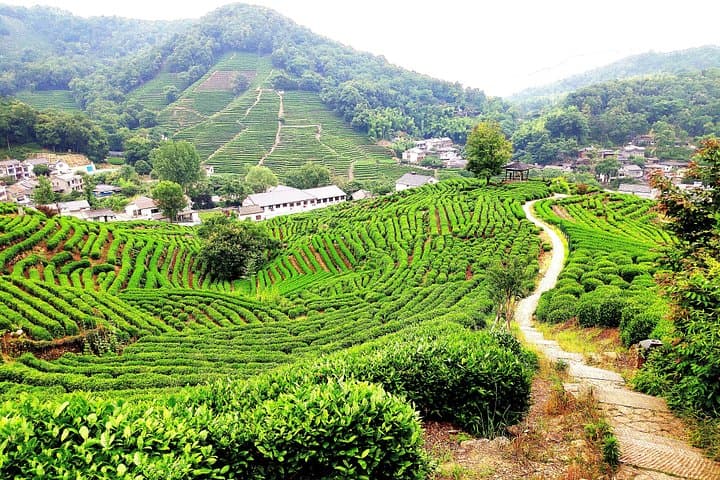
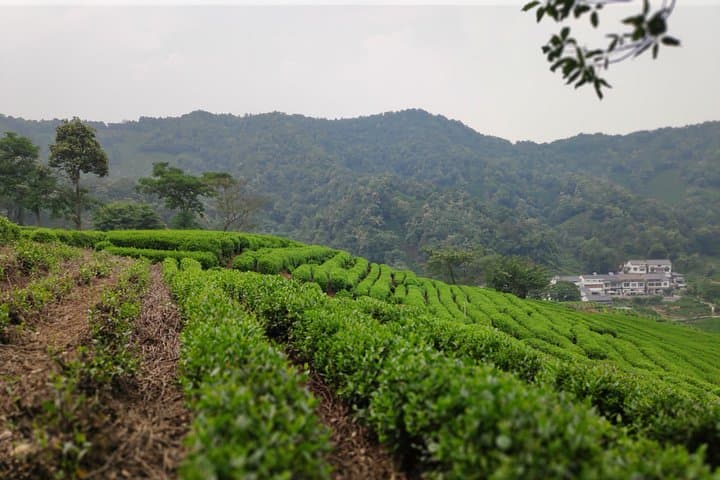
Begin at a hilltop temple where 1,600 years of Buddhist history meet carved stone stairs and pines that have watched the lake change through dynasties. Walk outward to Longjing (Dragon Well) tea terraces: the fields slope and ripple like a green sea, and local farmers pour a bright, hot first-steep that tastes of meadow and mineral. At the China Tea Museum, exhibits move from kiln-fired pots to tea culture that shaped regional identity.
Hangzhou’s West Lake formed where river channels slowed and silt settled into a broad freshwater basin; the causeways and pagodas you’ll see date to Song and later eras when the lake became a favorite subject for poets and painters. Villages such as Meijiawu preserve tea-growing techniques and a pace of life that contrasts with modern Shanghai.
Practical notes: the itinerary uses a 60-minute bullet-train hop each way and runs roughly 10 hours total. Expect moderate walking on uneven stone paths and tea terraces; much of the day is low-impact but on your feet. Book an early train and confirm return seats, carry a light rain layer (the region has sudden showers), and budget time for museum queues and a farm-style lunch. Mobility-accessible options exist for core stops, but slopes at tea fields can be steep. Arrive curious, leave with new tea lore and a clear sense of why locals call this place unforgettable.
easy.
10 hours.
Suitable for most fitness levels; expect several hours of walking with short stair ascents
Yes — round-trip bullet-train fares between Shanghai and Hangzhou are included as part of the private day tour.
Expect moderate walking — roughly 2–4 miles across multiple stops on mostly paved paths, with some stairs and terrace slopes.
Lunch at a farmer’s house is included; notify your guide of dietary restrictions when booking to arrange suitable options.
Core sites and transport are wheelchair accessible, but tea terraces and some temple steps may not be fully accessible; advise the operator at booking.
West Lake and its surrounding pagodas and causeways became cultural icons during the Tang and Song dynasties, inspiring poets and garden design across China.
Local authorities manage visitor flow and preserve terraces through controlled access and conservation of historic sites; support local farmers by buying directly from village producers.
Bill's Fantastic Tour operates guided outdoor trips and adventures with an emphasis on safety, stewardship, and memorable experiences.

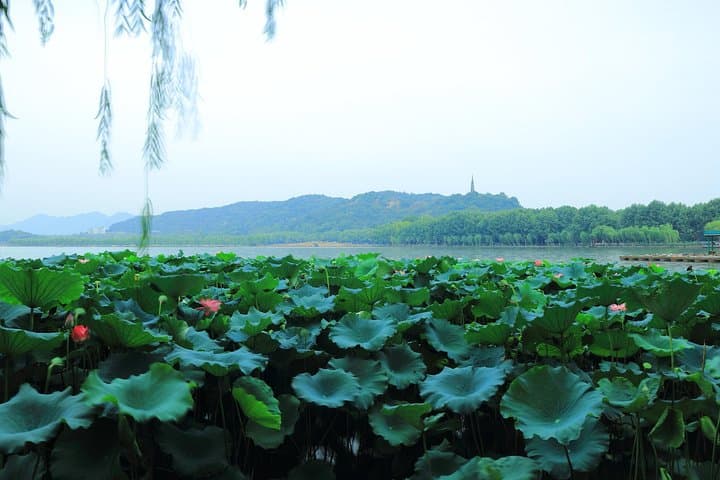
You step off the bullet train and the air feels cooler than Shanghai — a mist sits low over West Lake and the city’s stone bridges lean toward their reflections as if in conversation.
You step off the bullet train and the air feels cooler than Shanghai — a mist sits low over West Lake and the city’s stone bridges lean toward their reflections as if in conversation.
Begin at a hilltop temple where 1,600 years of Buddhist history meet carved stone stairs and pines that have watched the lake change through dynasties. Walk outward to Longjing (Dragon Well) tea terraces: the fields slope and ripple like a green sea, and local farmers pour a bright, hot first-steep that tastes of meadow and mineral. At the China Tea Museum, exhibits move from kiln-fired pots to tea culture that shaped regional identity.
Hangzhou’s West Lake formed where river channels slowed and silt settled into a broad freshwater basin; the causeways and pagodas you’ll see date to Song and later eras when the lake became a favorite subject for poets and painters. Villages such as Meijiawu preserve tea-growing techniques and a pace of life that contrasts with modern Shanghai.
Practical notes: the itinerary uses a 60-minute bullet-train hop each way and runs roughly 10 hours total. Expect moderate walking on uneven stone paths and tea terraces; much of the day is low-impact but on your feet. Book an early train and confirm return seats, carry a light rain layer (the region has sudden showers), and budget time for museum queues and a farm-style lunch. Mobility-accessible options exist for core stops, but slopes at tea fields can be steep. Arrive curious, leave with new tea lore and a clear sense of why locals call this place unforgettable.