THE ADVENTURE COLLECTIVE® · Independent discovery and booking for outdoor travel

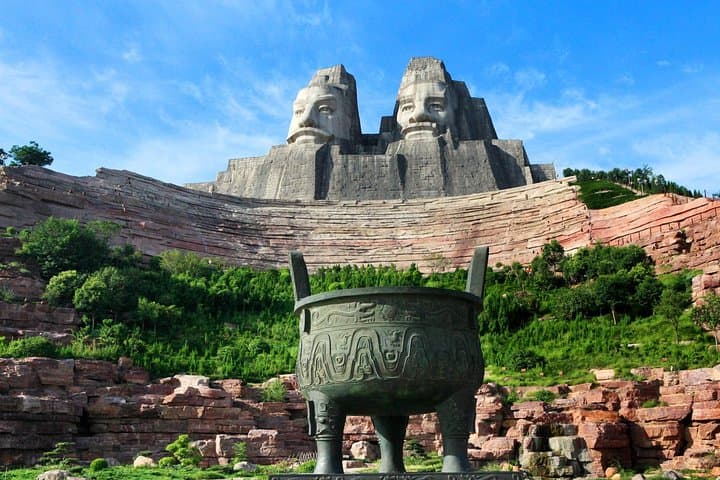
Take a high-speed leap from Xi'an to Shaolin Temple and the Yellow River in one packed day: watch monks perform kung fu, wander the ancient Pagoda Forest, and stand where the Mother River still shapes China’s plains. Practical notes on timing, gear, and what to expect on this cultural land-adventure.
Take a high-speed leap from Xi'an to Shaolin Temple and the Yellow River in one packed day: watch monks perform kung fu, wander the ancient Pagoda Forest, and stand where the Mother River still shapes China’s plains. Practical notes on timing, gear, and what to expect on this cultural land-adventure.
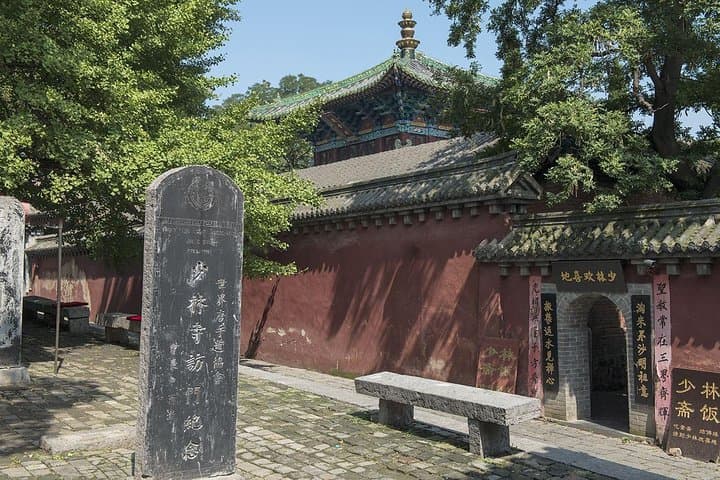
Steam of city life falls away as the morning high-speed train slides east from Xi'an; two hours later the air thins and the skyline hints at limestone ridges and temple roofs. At Shaolin, the courtyard stones hold centuries of footprints while monks move with a practiced economy—each strike of a wooden staff folded into ritual and training. The Pagoda Forest rises nearby: compact stone towers, tombs of abbots from Tang to Qing, lean like a small, ordered city of memory.
Verified experiences and guided adventures in the surrounding area.
Operated by Discover Beijing Tours · Dengfeng, Henan
Steam of city life falls away as the morning high-speed train slides east from Xi'an; two hours later the air thins and the skyline hints at limestone ridges and temple roofs. At Shaolin, the courtyard stones hold centuries of footprints while monks move with a practiced economy—each strike of a wooden staff folded into ritual and training. The Pagoda Forest rises nearby: compact stone towers, tombs of abbots from Tang to Qing, lean like a small, ordered city of memory.
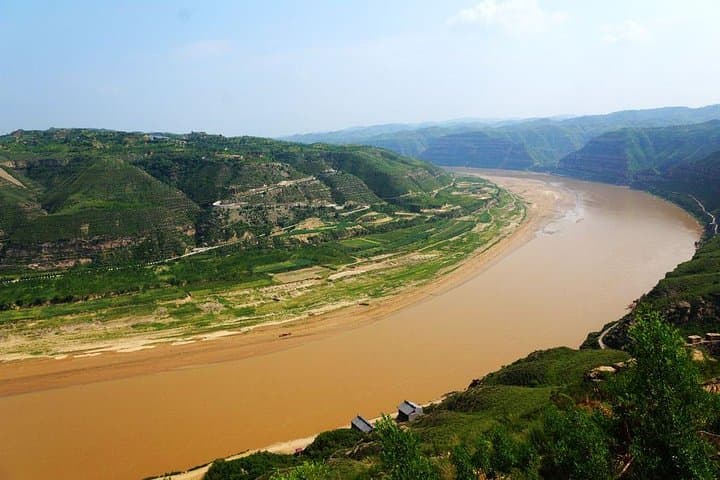
Shaolin Temple dates to the late 5th century and is credited as both a cradle of Chan (Zen) Buddhism and the origin point for what became Chinese martial arts. Geologically the area sits on the southern edge of the Yellow River basin where loess soils and riverine plains shaped settlement patterns; downstream, the Yellow River carved silt-rich corridors that supported early civilizations. Culture here is austere but alive—a blend of ritual, performance, and rural markets where locals sell steamed buns and medicinal herbs.
Practical guidance: expect a full day — plan for 10–12 hours including rail time, short hikes across temple grounds, and walking at the Yellow River Scenic Area. Comfortable, broken-in shoes, sun protection, and a small daypack will keep you moving. Pack a printed or digital passport copy for train and entry checks, stay hydrated on the river promenade, and allow extra time for photography at the Pagoda Forest. If you finish in Zhengzhou you can skip the return rail leg; if returning to Xi'an, factor in the evening bullet-train schedule.
easy.
10–12 hours.
Suitable for travelers in average fitness — includes moderate amounts of walking and short stair sections.
Yes—this private day tour includes high-speed train tickets, admissions to Shaolin Temple and the Pagoda Forest, and entrance to the Yellow River Scenic Area.
Yes—the tour offers the option to finish in Zhengzhou with hotel drop-off there, which removes the return bullet-train leg.
Performances are a regular feature but can be subject to scheduling or temple events; guides will confirm the program that day.
Generally yes—walking is moderate, but customers with limited mobility should notify the operator so guides can adjust pacing and transfers.
Shaolin Temple was established in the late 5th century and developed into an influential center for Chan Buddhism and Chinese martial arts; the Yellow River basin is considered the cradle of Chinese civilization.
Visitor pressure and riverbank erosion are ongoing concerns—stick to paths, avoid littering, and support local businesses that practice responsible tourism.
Discover Beijing Tours operates guided outdoor trips and adventures with an emphasis on safety, stewardship, and memorable experiences.

Steam of city life falls away as the morning high-speed train slides east from Xi'an; two hours later the air thins and the skyline hints at limestone ridges and temple roofs. At Shaolin, the courtyard stones hold centuries of footprints while monks move with a practiced economy—each strike of a wooden staff folded into ritual and training. The Pagoda Forest rises nearby: compact stone towers, tombs of abbots from Tang to Qing, lean like a small, ordered city of memory.
Steam of city life falls away as the morning high-speed train slides east from Xi'an; two hours later the air thins and the skyline hints at limestone ridges and temple roofs. At Shaolin, the courtyard stones hold centuries of footprints while monks move with a practiced economy—each strike of a wooden staff folded into ritual and training. The Pagoda Forest rises nearby: compact stone towers, tombs of abbots from Tang to Qing, lean like a small, ordered city of memory.
Shaolin Temple dates to the late 5th century and is credited as both a cradle of Chan (Zen) Buddhism and the origin point for what became Chinese martial arts. Geologically the area sits on the southern edge of the Yellow River basin where loess soils and riverine plains shaped settlement patterns; downstream, the Yellow River carved silt-rich corridors that supported early civilizations. Culture here is austere but alive—a blend of ritual, performance, and rural markets where locals sell steamed buns and medicinal herbs.
Practical guidance: expect a full day — plan for 10–12 hours including rail time, short hikes across temple grounds, and walking at the Yellow River Scenic Area. Comfortable, broken-in shoes, sun protection, and a small daypack will keep you moving. Pack a printed or digital passport copy for train and entry checks, stay hydrated on the river promenade, and allow extra time for photography at the Pagoda Forest. If you finish in Zhengzhou you can skip the return rail leg; if returning to Xi'an, factor in the evening bullet-train schedule.