THE ADVENTURE COLLECTIVE® · Independent discovery and booking for outdoor travel

Cross the border for a full-day loop through carved cliff chapels, the fortified heights of Tsarevets, and the picture-perfect village of Arbanasi. This private tour pairs compact history with accessible walking and memorable viewpoints.
Cross the border for a full-day loop through carved cliff chapels, the fortified heights of Tsarevets, and the picture-perfect village of Arbanasi. This private tour pairs compact history with accessible walking and memorable viewpoints.
You leave Bucharest before dawn and the road unfurls north—fields give way to low limestone ridges and the border sign slips by. By mid-morning you’re standing under carved rock chapels at Basarabovo Monastery, a cluster of cliff-side cells etched into sandstone 20–30 meters above the valley floor. The cold stone smells faintly of centuries; silence gathers like a curtain around the remaining frescoes.
Verified experiences and guided adventures in the surrounding area.
Operated by Nicolas Experience Tours · Veliko Tarnovo, Veliko Tarnovo Province
You leave Bucharest before dawn and the road unfurls north—fields give way to low limestone ridges and the border sign slips by. By mid-morning you’re standing under carved rock chapels at Basarabovo Monastery, a cluster of cliff-side cells etched into sandstone 20–30 meters above the valley floor. The cold stone smells faintly of centuries; silence gathers like a curtain around the remaining frescoes.
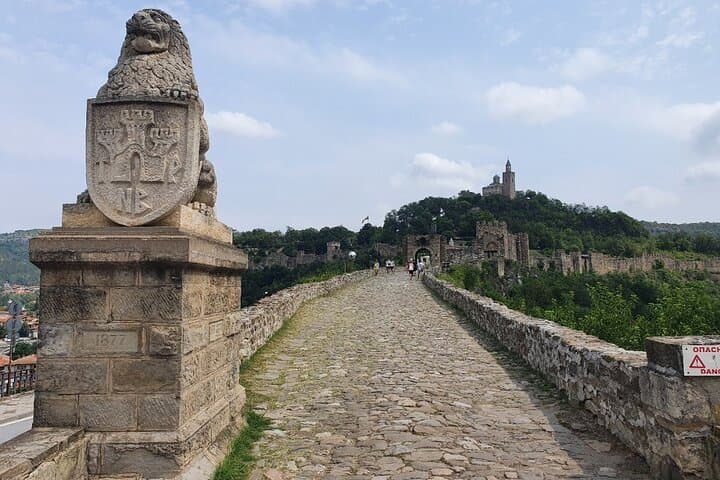
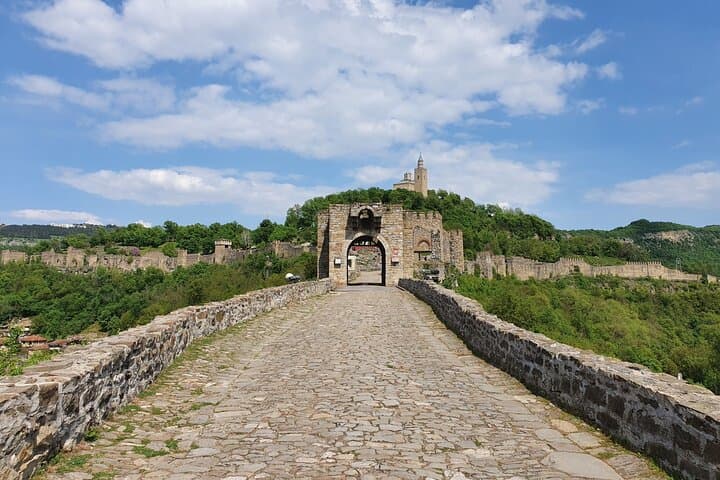
Later the road climbs into the Stara Planina foothills and Veliko Tarnovo appears—a city built on steep terraces above the Yantra River, crowned by the battered ramparts of Tsarevets Fortress. Tsarevets was the heart of the Second Bulgarian Empire (12th–14th centuries), its walls and towers telling a compact story of conquest and trade. The geology here—limestone bluffs and river-cut gorges—shaped settlements and defensive lines for a millennium.
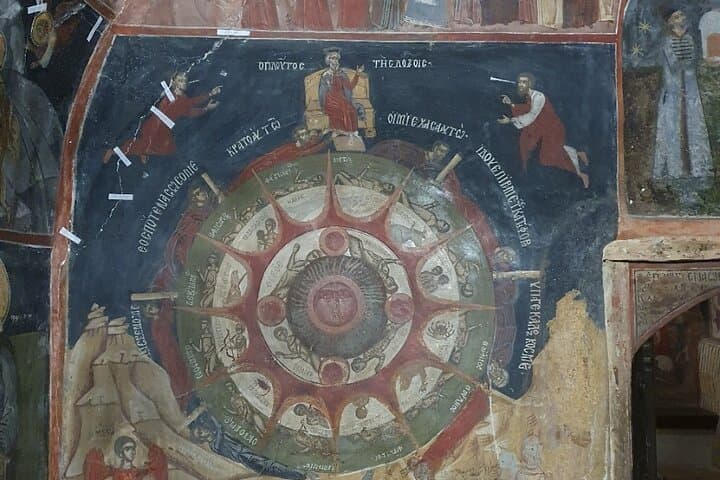
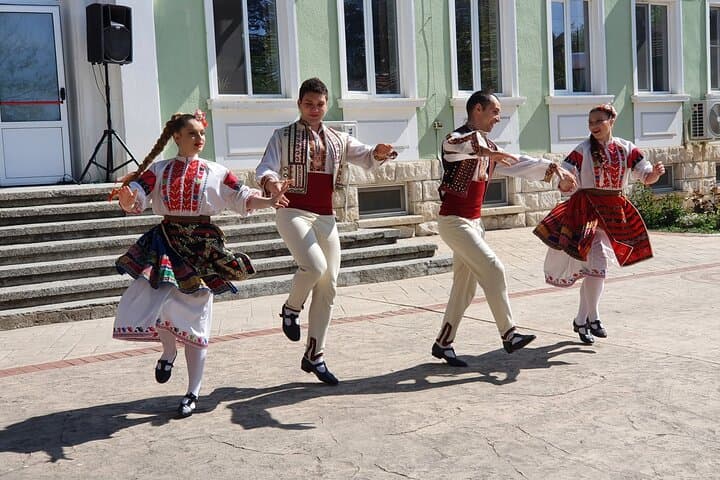
Arbanasi, a short drive away, feels like a living open-air museum: fortified merchant houses, thick stone walls, wooden lattices, and richly painted church naves where frescoes date to the 16th century. Local culture is practical and hospitable; taverns specialize in grilled meats and lutenitsa, and craft workshops keep old woodworking and icon-painting skills alive.
Practicalities: this private day trip runs roughly 10–11 hours. Expect light walking on uneven cobblestones, short stair climbs at the fortress and monastery, and basic restroom and food stops in town. Bring a passport for the border crossing, comfortable shoes with grip, layered clothing, sun protection, and a small daypack. Plan for early departure and a full day of standing, walking, and photographing—this is cultural exploration with a steady, outdoor pulse.
easy.
10–11 hours.
Light-moderate: suitable for travelers who can walk 1–3 miles with short climbs and stand for guided talks.
Yes. You cross an international border; carry a valid passport and any required visas at all times.
This tour description indicates admission is not included—expect to pay entry fees for museums or fortresses on site unless specified otherwise.
Yes. The itinerary notes the tour is suitable for all physical fitness levels, though participants should manage stairs and short uneven walks.
Yes. The itinerary includes stops with opportunities to sample local cuisine in Veliko Tarnovo and Arbanasi; bring cash or card for meals.
Veliko Tarnovo was the capital of the Second Bulgarian Empire (1185–1393); Tsarevets served as a royal and ecclesiastical center whose ruins still define the skyline.
Frescoes in cliff churches and Arbanasi’s old houses are fragile—avoid flash photography and follow paths to protect painted surfaces and old stonework.
Nicolas Experience Tours operates guided outdoor trips and adventures with an emphasis on safety, stewardship, and memorable experiences.
You leave Bucharest before dawn and the road unfurls north—fields give way to low limestone ridges and the border sign slips by. By mid-morning you’re standing under carved rock chapels at Basarabovo Monastery, a cluster of cliff-side cells etched into sandstone 20–30 meters above the valley floor. The cold stone smells faintly of centuries; silence gathers like a curtain around the remaining frescoes.
You leave Bucharest before dawn and the road unfurls north—fields give way to low limestone ridges and the border sign slips by. By mid-morning you’re standing under carved rock chapels at Basarabovo Monastery, a cluster of cliff-side cells etched into sandstone 20–30 meters above the valley floor. The cold stone smells faintly of centuries; silence gathers like a curtain around the remaining frescoes.
Later the road climbs into the Stara Planina foothills and Veliko Tarnovo appears—a city built on steep terraces above the Yantra River, crowned by the battered ramparts of Tsarevets Fortress. Tsarevets was the heart of the Second Bulgarian Empire (12th–14th centuries), its walls and towers telling a compact story of conquest and trade. The geology here—limestone bluffs and river-cut gorges—shaped settlements and defensive lines for a millennium.
Arbanasi, a short drive away, feels like a living open-air museum: fortified merchant houses, thick stone walls, wooden lattices, and richly painted church naves where frescoes date to the 16th century. Local culture is practical and hospitable; taverns specialize in grilled meats and lutenitsa, and craft workshops keep old woodworking and icon-painting skills alive.
Practicalities: this private day trip runs roughly 10–11 hours. Expect light walking on uneven cobblestones, short stair climbs at the fortress and monastery, and basic restroom and food stops in town. Bring a passport for the border crossing, comfortable shoes with grip, layered clothing, sun protection, and a small daypack. Plan for early departure and a full day of standing, walking, and photographing—this is cultural exploration with a steady, outdoor pulse.