THE ADVENTURE COLLECTIVE® · Independent discovery and booking for outdoor travel

Walk Bukchon with a local storyteller and hear how royal politics, hanok architecture, and 20th‑century change shaped Seoul’s oldest district. A 2–3 hour guided route pairs history with intimate neighborhood detail.
Walk Bukchon with a local storyteller and hear how royal politics, hanok architecture, and 20th‑century change shaped Seoul’s oldest district. A 2–3 hour guided route pairs history with intimate neighborhood detail.
You step off a narrow alley and the city noise thins: wooden eaves lean close, stone steps slope toward small courtyards, and a guide—born here—begins to speak as if the walls remember. The Bukchon Storytelling Tour threads through alleys between Gyeongbokgung and Changdeokgung, where hanok roofs trace the contour of Seoul’s ancient ridgeline and view corridors open to distant temple spires.
Verified experiences and guided adventures in the surrounding area.
Operated by Owl Tour · Seoul, Seoul
You step off a narrow alley and the city noise thins: wooden eaves lean close, stone steps slope toward small courtyards, and a guide—born here—begins to speak as if the walls remember. The Bukchon Storytelling Tour threads through alleys between Gyeongbokgung and Changdeokgung, where hanok roofs trace the contour of Seoul’s ancient ridgeline and view corridors open to distant temple spires.
This walking tour traces Bukchon’s arc from its selection as a Joseon-era capital site—chosen for auspicious feng shui—to the 20th-century shifts that reshaped ownership and architecture. Expect stories about Unhyeonggung Palace, Yangban class hanoks, the wells and schools that anchor collective memory, and the 1920s–30s developers who altered the neighborhood’s face. Geological context is simple: you’re on undulating urban slopes carved into granite outcrops and filled with stonework; the terrain creates short steep steps, not long climbs.
Locally informed insights appear in small doses—why a particular alley favored writers, where a famous drama filmed, and how residents balance daily life with tourism. The guide, a filmmaker and screenwriting professor, layers anecdote with archival detail.
Practical guidance: the tour runs about 2–3 hours and is best in low-light spring or cool autumn mornings to avoid crowds. Wear sturdy shoes for uneven stone steps, bring water, and carry minimal gear to keep the group moving. Photography is allowed but remember private homes line many lanes; be respectful of residents. Tours may be canceled for low enrollment or bad weather; recommended for ages 12 and up.
moderate.
2–3 hours.
Moderate fitness required: short uphill sections and standing during story stops; comfortable walking ability for 3–5 km total.
The tour lasts about 2–3 hours and covers several kilometers of alleyways with frequent stops; expect short uphill sections but no long sustained climbs.
Recommended for ages 12 and up; uneven stone steps and narrow lanes make it challenging for those with significant mobility limitations.
The operator may cancel for bad weather or if fewer than two guests book; full refunds are provided if canceled at least 24 hours before departure.
Photography of exteriors and public spaces is fine, but entering private homes isn’t allowed unless an admission is included; always ask before photographing individuals or private courtyards.
Bukchon served as a residential quarter for the Joseon dynasty’s elite and developed around royal palaces; its layout reflects both political power and feng shui principles.
Tourism pressure has spurred local efforts to protect hanok integrity and residential privacy—follow rules, keep noise low, and stick to designated paths.
Owl Tour operates guided outdoor trips and adventures with an emphasis on safety, stewardship, and memorable experiences.
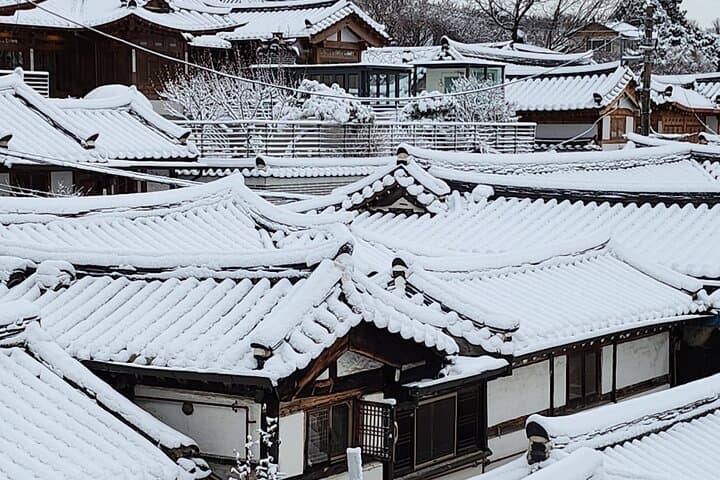
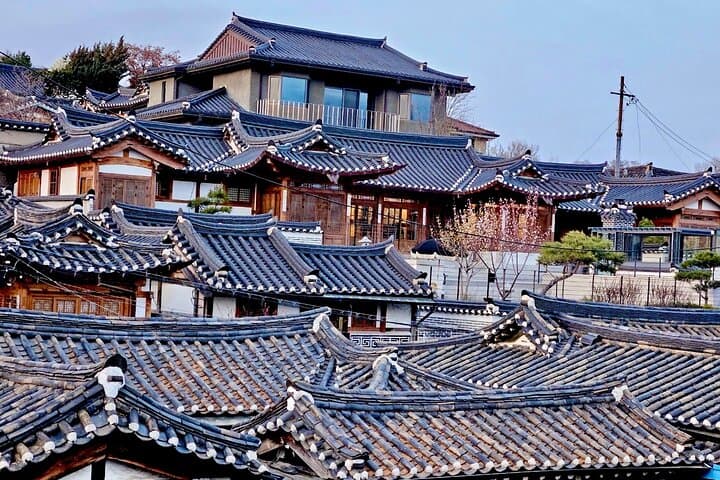
You step off a narrow alley and the city noise thins: wooden eaves lean close, stone steps slope toward small courtyards, and a guide—born here—begins to speak as if the walls remember. The Bukchon Storytelling Tour threads through alleys between Gyeongbokgung and Changdeokgung, where hanok roofs trace the contour of Seoul’s ancient ridgeline and view corridors open to distant temple spires.
You step off a narrow alley and the city noise thins: wooden eaves lean close, stone steps slope toward small courtyards, and a guide—born here—begins to speak as if the walls remember. The Bukchon Storytelling Tour threads through alleys between Gyeongbokgung and Changdeokgung, where hanok roofs trace the contour of Seoul’s ancient ridgeline and view corridors open to distant temple spires.
This walking tour traces Bukchon’s arc from its selection as a Joseon-era capital site—chosen for auspicious feng shui—to the 20th-century shifts that reshaped ownership and architecture. Expect stories about Unhyeonggung Palace, Yangban class hanoks, the wells and schools that anchor collective memory, and the 1920s–30s developers who altered the neighborhood’s face. Geological context is simple: you’re on undulating urban slopes carved into granite outcrops and filled with stonework; the terrain creates short steep steps, not long climbs.
Locally informed insights appear in small doses—why a particular alley favored writers, where a famous drama filmed, and how residents balance daily life with tourism. The guide, a filmmaker and screenwriting professor, layers anecdote with archival detail.
Practical guidance: the tour runs about 2–3 hours and is best in low-light spring or cool autumn mornings to avoid crowds. Wear sturdy shoes for uneven stone steps, bring water, and carry minimal gear to keep the group moving. Photography is allowed but remember private homes line many lanes; be respectful of residents. Tours may be canceled for low enrollment or bad weather; recommended for ages 12 and up.