THE ADVENTURE COLLECTIVE® · Independent discovery and booking for outdoor travel

A two-hour guided walk through Bukavu introduces first-time visitors to the city’s Art Deco architecture, lakeside markets and local legends. This private tour blends urban history with practical orientation—ideal for travelers who want a focused, local-led introduction.
A two-hour guided walk through Bukavu introduces first-time visitors to the city’s Art Deco architecture, lakeside markets and local legends. This private tour blends urban history with practical orientation—ideal for travelers who want a focused, local-led introduction.
You step off the shady avenue into a city where colonial concrete leans toward the lake as if listening for the next ferry. Bukavu’s streets move at a human pace: vendors call, old radio crackles, and Lake Kivu glints between buildings, daring you to follow its shoreline.
Verified experiences and guided adventures in the surrounding area.
Operated by Opatrip.com Congo · Bukavu, South Kivu
You step off the shady avenue into a city where colonial concrete leans toward the lake as if listening for the next ferry. Bukavu’s streets move at a human pace: vendors call, old radio crackles, and Lake Kivu glints between buildings, daring you to follow its shoreline.
The walk threads together visible history — Belgian-era Art Deco facades from the 1930s and ’40s, a lakeside trading tradition shaped by volcanic geology and the rift valley that created Lake Kivu, and modern Congolese street life. Guides point out architectural details, tell local legends tied to neighborhoods, and explain how the city’s position on the western edge of the East African Rift made it a regional hub for commerce and culture.
Expect tight blocks of shops, a lively market where spices and fresh fish from the lake are displayed, and waterfront views toward Idjwi Island. The terrain is urban: paved streets, occasional hills, and uneven sidewalks in places. The pace is gentle and social — suited to first-time visitors who want orientation and context.
Practical notes: a two-hour private walk covers key downtown highlights; wear sturdy walking shoes, carry water and sun protection, and plan for sudden showers during rainy months. Bring cash for markets and a camera for the art-deco details and lakeside light. With a local guide, you’ll leave with a clearer map of Bukavu’s layout, a few good stories, and a list of spots to return to after the tour.
easy.
2 hours.
Suitable for all fitness levels; requires only moderate mobility for short city hills and standing.
Local guides commonly speak French and Swahili; many also speak some English—confirm language when booking.
Yes; the tour is rated easy and is appropriate for a wide range of ages, though mobility limitations should be discussed in advance.
Expect about two hours of walking at a relaxed pace with regular stops for stories and viewpoints.
No—visits to markets are part of the route but purchases and food are paid for separately in cash.
Bukavu grew under Belgian colonial administration in the early 20th century and served as a regional trading and administrative center on Lake Kivu.
Local efforts focus on preserving Art Deco buildings and reducing lake pollution; visitors can support sustainable vendors and avoid single-use plastics.
Opatrip.com Congo operates guided outdoor trips and adventures with an emphasis on safety, stewardship, and memorable experiences.

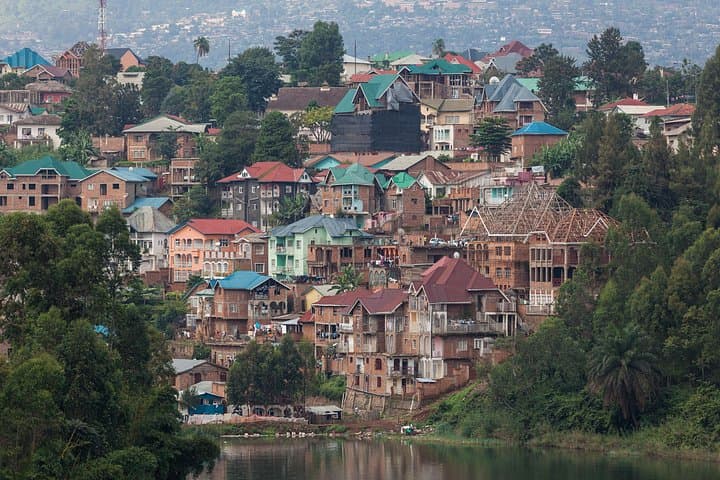
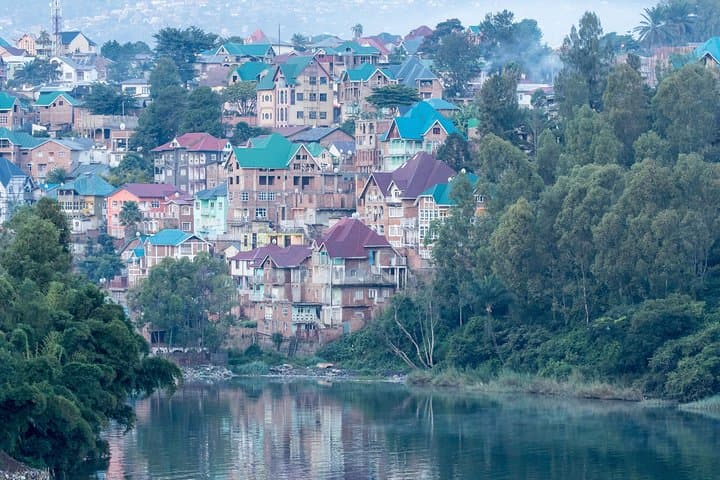
You step off the shady avenue into a city where colonial concrete leans toward the lake as if listening for the next ferry. Bukavu’s streets move at a human pace: vendors call, old radio crackles, and Lake Kivu glints between buildings, daring you to follow its shoreline.
You step off the shady avenue into a city where colonial concrete leans toward the lake as if listening for the next ferry. Bukavu’s streets move at a human pace: vendors call, old radio crackles, and Lake Kivu glints between buildings, daring you to follow its shoreline.
The walk threads together visible history — Belgian-era Art Deco facades from the 1930s and ’40s, a lakeside trading tradition shaped by volcanic geology and the rift valley that created Lake Kivu, and modern Congolese street life. Guides point out architectural details, tell local legends tied to neighborhoods, and explain how the city’s position on the western edge of the East African Rift made it a regional hub for commerce and culture.
Expect tight blocks of shops, a lively market where spices and fresh fish from the lake are displayed, and waterfront views toward Idjwi Island. The terrain is urban: paved streets, occasional hills, and uneven sidewalks in places. The pace is gentle and social — suited to first-time visitors who want orientation and context.
Practical notes: a two-hour private walk covers key downtown highlights; wear sturdy walking shoes, carry water and sun protection, and plan for sudden showers during rainy months. Bring cash for markets and a camera for the art-deco details and lakeside light. With a local guide, you’ll leave with a clearer map of Bukavu’s layout, a few good stories, and a list of spots to return to after the tour.