THE ADVENTURE COLLECTIVE® · Independent discovery and booking for outdoor travel

Spend 90 minutes inside a working Tuscan Maremma buffalo farm — watch cheesemaking through a viewing window, meet buffalo in the paddock, visit a biogas plant, then taste cheeses paired with local salami and wine. Accessible, family-friendly, and focused on circular farming practices.
Spend 90 minutes inside a working Tuscan Maremma buffalo farm — watch cheesemaking through a viewing window, meet buffalo in the paddock, visit a biogas plant, then taste cheeses paired with local salami and wine. Accessible, family-friendly, and focused on circular farming practices.
Walk through a sun-warmed yard where buffalo lift their heads like slow-moving tides and the scent of fermenting hay meets fresh curd. The tour begins in the dairy, where a glass partition lets visitors watch milk become cheese in measured, rhythmic movements; then a guide leads you past open fenced fields to meet the animals and finally to the biogas plant that turns farm waste into energy.
Verified experiences and guided adventures in the surrounding area.
Operated by La Maremmana · Grosseto, Tuscany
Walk through a sun-warmed yard where buffalo lift their heads like slow-moving tides and the scent of fermenting hay meets fresh curd. The tour begins in the dairy, where a glass partition lets visitors watch milk become cheese in measured, rhythmic movements; then a guide leads you past open fenced fields to meet the animals and finally to the biogas plant that turns farm waste into energy.
This is Maremma — a coastal plain once mired in marsh and malaria, reshaped over the 19th and 20th centuries into productive farmland. The region’s geology is alluvial plains and gentle hills, so the farm sits on rich soil that feeds the buffalo and supports crop rotations tied to traditional Tuscan agriculture. Culturally, the visit connects agro-pastoral traditions with modern circular-economy practice: animal welfare, on-site processing, and renewable-energy reuse.
Expect a 90-minute, low-effort walk with close-up animal viewing in spring and summer when calves are most visible. The tasting pairs house-made buffalo cheeses with local salami, Tuscan bread, water and a glass of wine — a concise farm-to-table conclusion. Practical notes: wear sturdy shoes for farm surfaces, bring a light jacket for dairy viewing areas, and leave pets at home unless they’re service animals. The tour is wheelchair- and stroller-accessible and suitable for families. Arrive with questions about production cycles and composting; staff are prepared to explain breeding practices, milk handling, and the biogas process. For travelers seeking a grounded, sensory introduction to modern Tuscan dairy production, this visit balances learning, responsible farming, and an honest taste of place.
easy.
1–1.5 hours.
Suitable for all fitness levels; requires short periods of standing and light walking on farm paths.
Yes — the visit is family-friendly, stroller-accessible, and includes viewing areas children can enjoy; supervision near animals is required.
Yes — the tasting includes several buffalo cheeses made on-site, local salami from partner producers, Tuscan bread, water and a glass of wine for adults.
Yes — the farm reports wheelchair-accessible surfaces and areas, including the dairy viewing and shop, but contact the operator for specific mobility needs.
Yes — the on-site point of sale offers the cheeses produced by the farm and other local products visible after the tour.
The Maremma was historically marshy and sparsely populated until 19th–20th century reclamation projects turned wetlands into agricultural land; cattle and dairy farming became an important local economy.
The farm emphasizes circular economy practices—using agricultural residues for biogas and returning digestate as fertilizer—to reduce waste and support soil health.
La Maremmana operates guided outdoor trips and adventures with an emphasis on safety, stewardship, and memorable experiences.
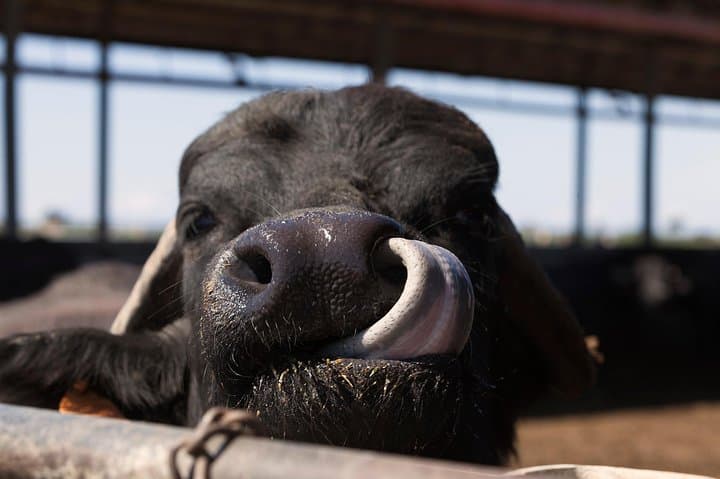
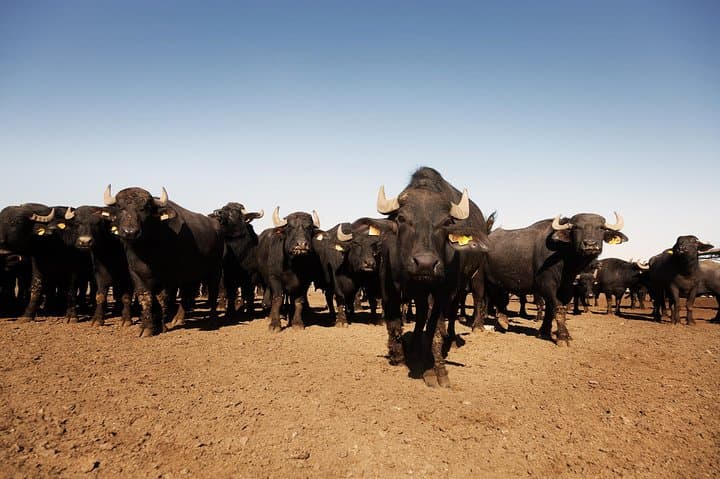
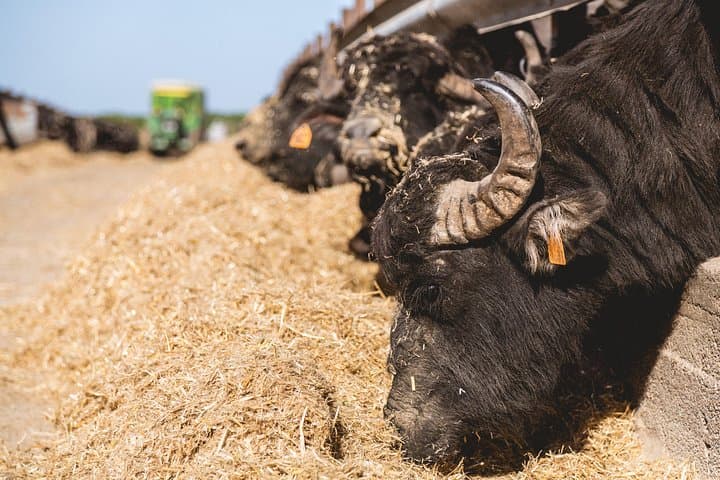
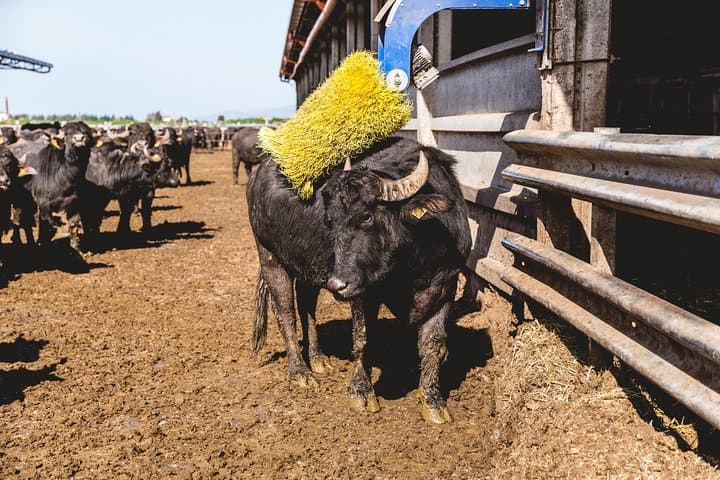
Walk through a sun-warmed yard where buffalo lift their heads like slow-moving tides and the scent of fermenting hay meets fresh curd. The tour begins in the dairy, where a glass partition lets visitors watch milk become cheese in measured, rhythmic movements; then a guide leads you past open fenced fields to meet the animals and finally to the biogas plant that turns farm waste into energy.
Walk through a sun-warmed yard where buffalo lift their heads like slow-moving tides and the scent of fermenting hay meets fresh curd. The tour begins in the dairy, where a glass partition lets visitors watch milk become cheese in measured, rhythmic movements; then a guide leads you past open fenced fields to meet the animals and finally to the biogas plant that turns farm waste into energy.
This is Maremma — a coastal plain once mired in marsh and malaria, reshaped over the 19th and 20th centuries into productive farmland. The region’s geology is alluvial plains and gentle hills, so the farm sits on rich soil that feeds the buffalo and supports crop rotations tied to traditional Tuscan agriculture. Culturally, the visit connects agro-pastoral traditions with modern circular-economy practice: animal welfare, on-site processing, and renewable-energy reuse.
Expect a 90-minute, low-effort walk with close-up animal viewing in spring and summer when calves are most visible. The tasting pairs house-made buffalo cheeses with local salami, Tuscan bread, water and a glass of wine — a concise farm-to-table conclusion. Practical notes: wear sturdy shoes for farm surfaces, bring a light jacket for dairy viewing areas, and leave pets at home unless they’re service animals. The tour is wheelchair- and stroller-accessible and suitable for families. Arrive with questions about production cycles and composting; staff are prepared to explain breeding practices, milk handling, and the biogas process. For travelers seeking a grounded, sensory introduction to modern Tuscan dairy production, this visit balances learning, responsible farming, and an honest taste of place.