THE ADVENTURE COLLECTIVE® · Independent discovery and booking for outdoor travel

Explore San Telmo and Parque Lezama on a private, two-hour walking experience that pairs neighborhood stories with tangible history—cobblestones, mansions, and a lively market scene. Ideal for first-time visitors who want cultural context and pointed local insights.
Explore San Telmo and Parque Lezama on a private, two-hour walking experience that pairs neighborhood stories with tangible history—cobblestones, mansions, and a lively market scene. Ideal for first-time visitors who want cultural context and pointed local insights.
The tour begins where cobblestones still remember horse hooves: Plaza Dorrego’s square opens like a stage, vendors arranging antiques while tango strains thread through morning light. Walking with a guide, the city narrows into alleys of peeling paint, bronze plaques, and cafe doorways that have been used as living rooms for generations.
Verified experiences and guided adventures in the surrounding area.
Operated by Opatrip.com Argentina · Buenos Aires, Buenos Aires
The tour begins where cobblestones still remember horse hooves: Plaza Dorrego’s square opens like a stage, vendors arranging antiques while tango strains thread through morning light. Walking with a guide, the city narrows into alleys of peeling paint, bronze plaques, and cafe doorways that have been used as living rooms for generations.
San Telmo’s streets are living history—one of Buenos Aires’ oldest neighborhoods, built on 19th‑century European influence and earlier colonial layouts. Palacio Lezama and Parque Lezama reflect the area’s boom-and-bust cycles: elegant mansions, public gardens, and a patchwork of immigrant stories. Geologically the neighborhood sits on the La Plata plain, flat lowlands that directed the city’s grid and river-driven commerce; Plaza Constitución captures that urban energy where daily commuters and street vendors intersect.
Culturally, this walk is about contrasts: antiques beside contemporary murals, military relics inside the Museo Histórico Nacional beside everyday cafes. A local guide decodes architecture, points out surviving hornero nests, and spots monk parakeets in the park canopy.
Practical guidance: plan for two hours of steady walking on uneven cobbles and occasional short stairways. Morning or late afternoon light is best for photos and cooler temperatures. Carry water, wear supportive soles for cobblestones, and budget time to linger at a cafe or market stall—these pauses reveal small details maps miss.
This private experience mixes narrative history with neighborhood textures, suited to travelers who want context as much as scenery.
easy.
2 hours.
Light walking fitness required; able to stand and stroll for two hours on uneven surfaces.
Meeting is typically in San Telmo near Plaza Dorrego; exact meeting point is provided at booking and confirmed by the local guide.
Much of the route uses historic cobblestones and some stairways; accessibility is limited—contact the operator for route adaptations.
Admissions are not included; the itinerary focuses on exterior sites and neighborhood storytelling, though stops may suggest optional museum visits.
Yes—being private, guides can tailor the walk toward architecture, tango history, antiques, or family heritage requests when arranged in advance.
San Telmo grew as a hub for 19th-century immigrants and commerce; Palacio Lezama and Museo Histórico preserve layers of Argentina’s colonial and republican eras.
Urban parks like Parque Lezama are managed for native trees and bird habitats—respect signage, avoid feeding wildlife, and use bins for waste to reduce human impact.
Opatrip.com Argentina operates guided outdoor trips and adventures with an emphasis on safety, stewardship, and memorable experiences.

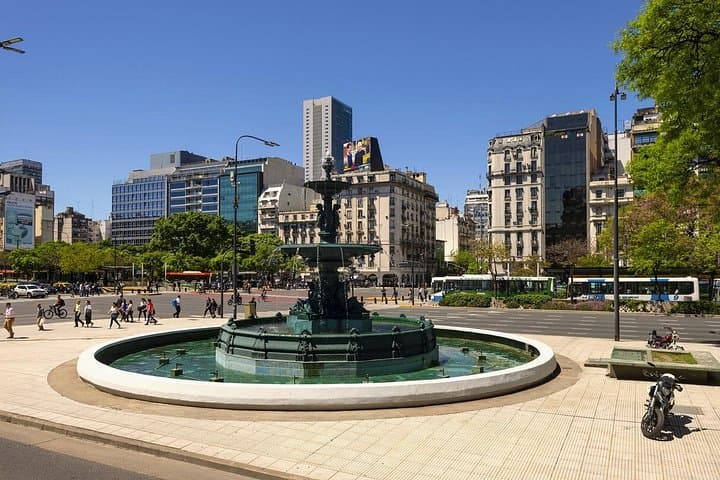
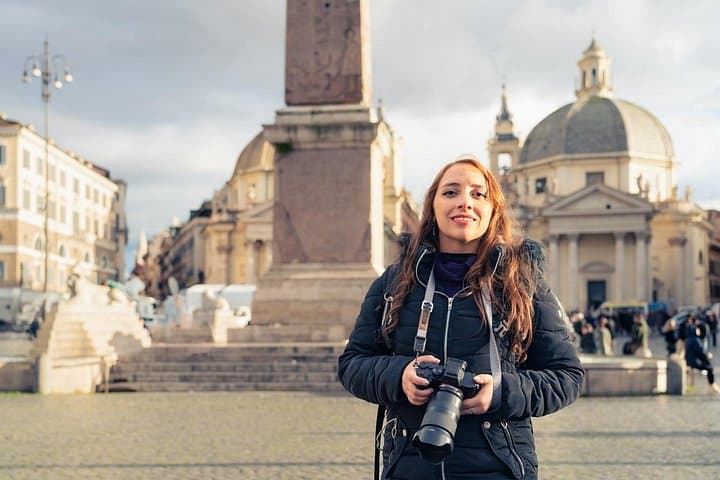
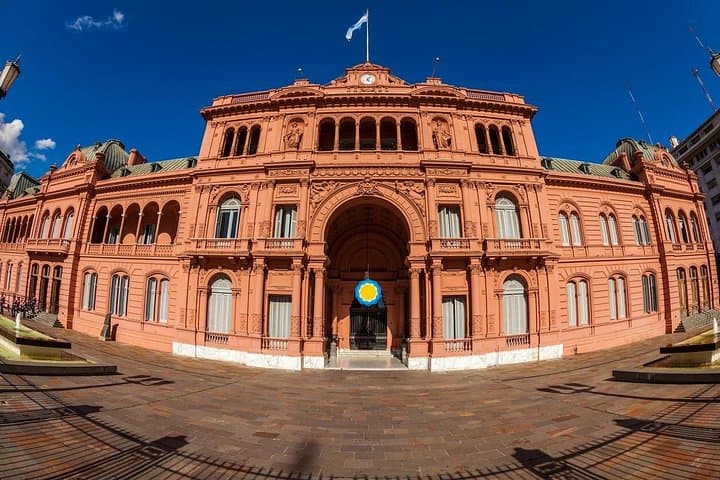
The tour begins where cobblestones still remember horse hooves: Plaza Dorrego’s square opens like a stage, vendors arranging antiques while tango strains thread through morning light. Walking with a guide, the city narrows into alleys of peeling paint, bronze plaques, and cafe doorways that have been used as living rooms for generations.
The tour begins where cobblestones still remember horse hooves: Plaza Dorrego’s square opens like a stage, vendors arranging antiques while tango strains thread through morning light. Walking with a guide, the city narrows into alleys of peeling paint, bronze plaques, and cafe doorways that have been used as living rooms for generations.
San Telmo’s streets are living history—one of Buenos Aires’ oldest neighborhoods, built on 19th‑century European influence and earlier colonial layouts. Palacio Lezama and Parque Lezama reflect the area’s boom-and-bust cycles: elegant mansions, public gardens, and a patchwork of immigrant stories. Geologically the neighborhood sits on the La Plata plain, flat lowlands that directed the city’s grid and river-driven commerce; Plaza Constitución captures that urban energy where daily commuters and street vendors intersect.
Culturally, this walk is about contrasts: antiques beside contemporary murals, military relics inside the Museo Histórico Nacional beside everyday cafes. A local guide decodes architecture, points out surviving hornero nests, and spots monk parakeets in the park canopy.
Practical guidance: plan for two hours of steady walking on uneven cobbles and occasional short stairways. Morning or late afternoon light is best for photos and cooler temperatures. Carry water, wear supportive soles for cobblestones, and budget time to linger at a cafe or market stall—these pauses reveal small details maps miss.
This private experience mixes narrative history with neighborhood textures, suited to travelers who want context as much as scenery.