THE ADVENTURE COLLECTIVE® · Independent discovery and booking for outdoor travel

An immersive three-hour evening in Buenos Aires that combines a set dinner with a staged tango performance by live musicians and high-level dancers. Learn about the show’s cultural roots, what to expect seat-to-stage, and practical tips to make the night run smoothly.
An immersive three-hour evening in Buenos Aires that combines a set dinner with a staged tango performance by live musicians and high-level dancers. Learn about the show’s cultural roots, what to expect seat-to-stage, and practical tips to make the night run smoothly.
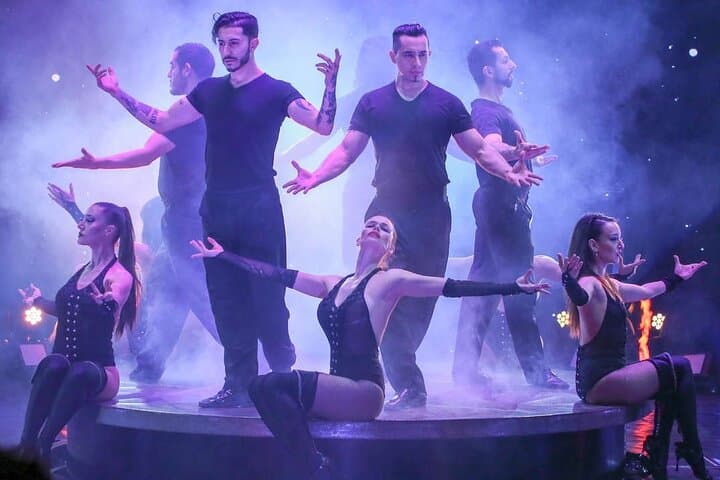
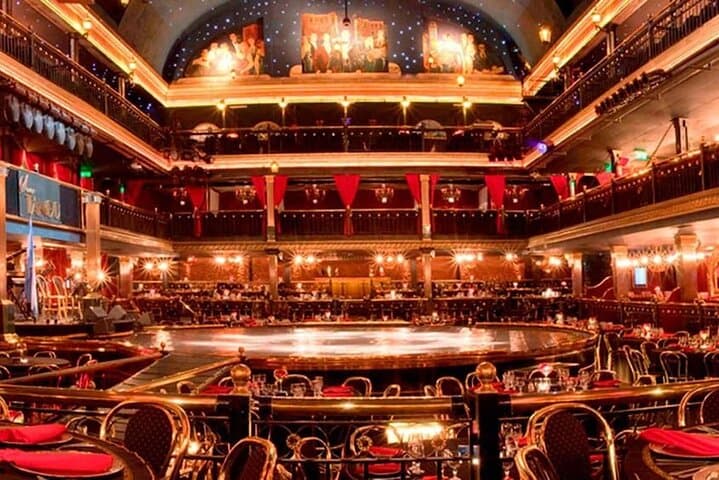
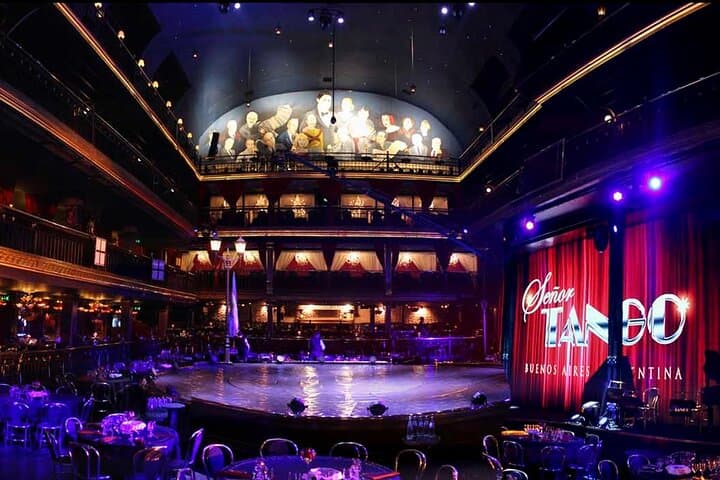
The lights drop and a warm amber pool spreads across the wooden floor — the clack of heels and the scrape of a bow fill the room. Plates of grilled meats and a dessert course arrive before the first embrace; then a line of dancers, musicians and singers take the stage, shaping an evening where music and movement push you forward.
Verified experiences and guided adventures in the surrounding area.
Operated by Traslados · Buenos Aires, Ciudad Autónoma de Buenos Aires
The lights drop and a warm amber pool spreads across the wooden floor — the clack of heels and the scrape of a bow fill the room. Plates of grilled meats and a dessert course arrive before the first embrace; then a line of dancers, musicians and singers take the stage, shaping an evening where music and movement push you forward.
Tango grew in Buenos Aires’ port neighborhoods in the late 19th and early 20th centuries, born of immigrant, Afro-Argentine and criollo rhythms. The city’s low, wind-swept plain by the Río de la Plata and the open Pampas shaped a public life where cafes and dance halls became cultural engines. A modern tango show condenses that history into a staged performance: bandoneón-led arrangements, choreographed cortinas, and references to the milonga tradition.
Expect a three-hour program that pairs a set dinner with a staged show of roughly 20 performers — singers, bandoneón, violin and dancers. The choreography alternates intimate duets and ensemble numbers, and the theater’s acoustics favor live vocals and strings.
Practical guidance: arrive 20–30 minutes early to be seated and to enjoy the starter; formal or smart-casual dress fits most venues. Photography without flash is generally tolerated but follow staff direction. If you’re using transfers, confirm pickup times on your booking voucher; many operators include round-trip transfer. For accessibility, most venues offer assistance but check in advance if you need an infant seat or stroller space. Tipping is common for performers in smaller venues; carry small bills. The show is an efficient way to experience tango’s music, movement and porteño hospitality in one evening.
easy.
3 hours.
No special fitness required; suitable for most ages and mobility levels with prior notice for accessibility
Yes — this tour pairs a fixed-menu dinner and dessert with the tango show; menus typically include grilled meats and a drink.
Many bookings include round-trip transfer; confirm pickup location and time on your voucher and provide flight or arrival details if requested.
Children are allowed but check the venue’s age policy; the performance is theatrical and can run late, so consider the child’s schedule.
Most operators offer a full refund if cancelled at least 24 hours before the scheduled departure; check your booking terms for specifics.
Tango was born in Buenos Aires’ working-class port districts in the late 1800s, mixing African, European and local rhythms and evolving from social dance halls to staged performance.
Historic theaters are managed as cultural assets; support venues that reduce single-use plastics and respect noise limits in residential neighborhoods.
Traslados operates guided outdoor trips and adventures with an emphasis on safety, stewardship, and memorable experiences.
The lights drop and a warm amber pool spreads across the wooden floor — the clack of heels and the scrape of a bow fill the room. Plates of grilled meats and a dessert course arrive before the first embrace; then a line of dancers, musicians and singers take the stage, shaping an evening where music and movement push you forward.
The lights drop and a warm amber pool spreads across the wooden floor — the clack of heels and the scrape of a bow fill the room. Plates of grilled meats and a dessert course arrive before the first embrace; then a line of dancers, musicians and singers take the stage, shaping an evening where music and movement push you forward.
Tango grew in Buenos Aires’ port neighborhoods in the late 19th and early 20th centuries, born of immigrant, Afro-Argentine and criollo rhythms. The city’s low, wind-swept plain by the Río de la Plata and the open Pampas shaped a public life where cafes and dance halls became cultural engines. A modern tango show condenses that history into a staged performance: bandoneón-led arrangements, choreographed cortinas, and references to the milonga tradition.
Expect a three-hour program that pairs a set dinner with a staged show of roughly 20 performers — singers, bandoneón, violin and dancers. The choreography alternates intimate duets and ensemble numbers, and the theater’s acoustics favor live vocals and strings.
Practical guidance: arrive 20–30 minutes early to be seated and to enjoy the starter; formal or smart-casual dress fits most venues. Photography without flash is generally tolerated but follow staff direction. If you’re using transfers, confirm pickup times on your booking voucher; many operators include round-trip transfer. For accessibility, most venues offer assistance but check in advance if you need an infant seat or stroller space. Tipping is common for performers in smaller venues; carry small bills. The show is an efficient way to experience tango’s music, movement and porteño hospitality in one evening.