THE ADVENTURE COLLECTIVE® · Independent discovery and booking for outdoor travel

Learn essential tango steps in a private 90‑minute class in Buenos Aires, then choose a traditional mate ceremony or a tasting of Argentine wine. Ideal for beginners and travelers who want a cultural introduction to tango etiquette and connection.
Learn essential tango steps in a private 90‑minute class in Buenos Aires, then choose a traditional mate ceremony or a tasting of Argentine wine. Ideal for beginners and travelers who want a cultural introduction to tango etiquette and connection.
The room smells faintly of wood polish and espresso; a radio hums an old bandoneón riff as two bodies find the invisible line between lead and follow. In this private 90‑minute class in Buenos Aires, students step into the city's pulse — learning fundamental tango steps, connection techniques, and the posture that gives the dance its characteristic tension and release.
Verified experiences and guided adventures in the surrounding area.
Operated by Tango Lessons with the Argentinian Gisela Vidal · Buenos Aires, Buenos Aires
The room smells faintly of wood polish and espresso; a radio hums an old bandoneón riff as two bodies find the invisible line between lead and follow. In this private 90‑minute class in Buenos Aires, students step into the city's pulse — learning fundamental tango steps, connection techniques, and the posture that gives the dance its characteristic tension and release.
Tango grew in the late 19th and early 20th centuries along the Río de la Plata, born of immigrant neighborhoods and a collision of musical influences. UNESCO recognizes it as Intangible Cultural Heritage, and that history informs the way instructors teach: technique is practical, but stories and etiquette come with each step. The nearby neighborhoods — San Telmo and Abasto — still host milongas and small salons where local culture is lived nightly.
After the lesson, choose a mate ceremony or a tasting of Argentine wine and local treats. Mate is social glue in Argentina; sharing it introduces rhythm and ritual as much as flavor. The host may also offer a short look at handcrafted tango jewelry — a local, tangible link to the art form.
Practical guidance: wear comfortable shoes with a heel no higher than one inch for balance, arrive 10–15 minutes early, and communicate any mobility concerns. If you plan to photograph, ask permission; many studios prefer focus over flashes. Public transit and taxis serve central meeting points well. This session is beginner‑friendly but rewards attention to subtle weight changes — the tiny shifts that make tango feel alive.
easy.
1.5 hours.
Suitable for most fitness levels; basic balance and stamina for standing and walking are helpful.
No — the class is tailored to your level and is suitable for beginners; instructors build from basic steps and posture.
Yes — this listing specifies a private lesson, so the session is just for your booking unless otherwise arranged.
Yes — at the end of the lesson you can opt for a traditional mate ceremony or a tasting of Argentine wine and local treats.
Most studios are in central neighborhoods; use taxis or Buenos Aires public transit (Subte and buses) and arrive a few minutes early to find the exact entrance.
Tango emerged in Buenos Aires’ port neighborhoods in the late 1800s as migrant communities mixed musical and dance traditions; it later spread globally but retains local milonga culture.
Support local studios and artisans, avoid single‑use plastics at tastings, and use public transit to minimize the urban footprint of your visit.
Tango Lessons with the Argentinian Gisela Vidal operates guided outdoor trips and adventures with an emphasis on safety, stewardship, and memorable experiences.
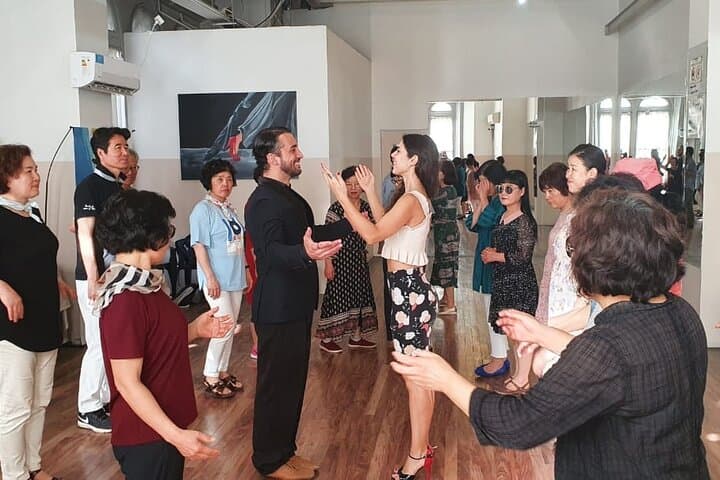
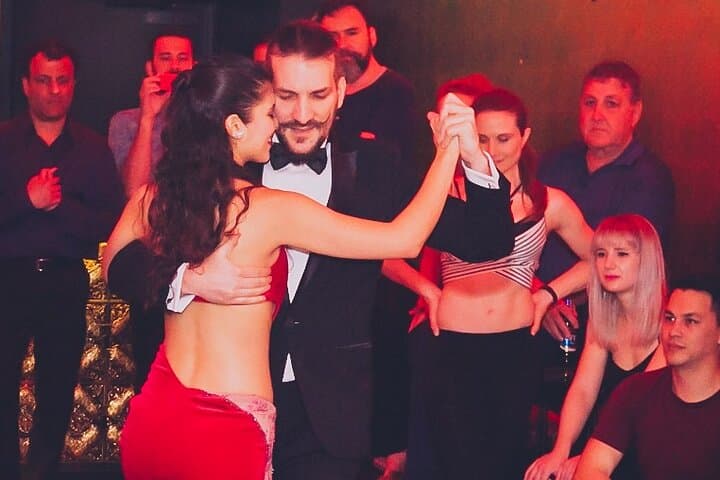
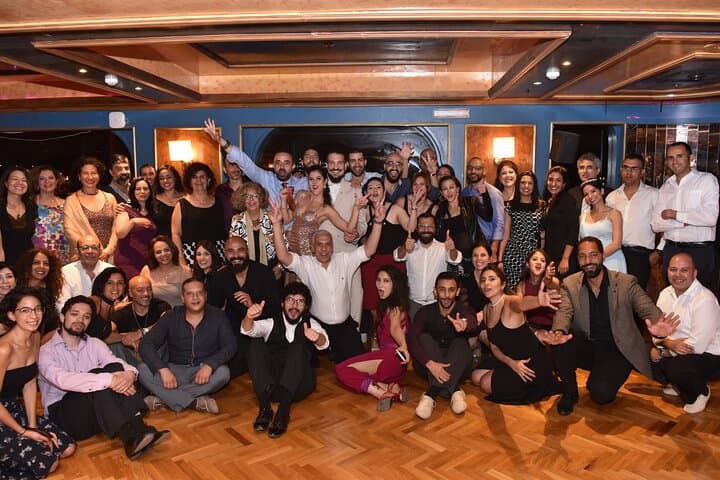
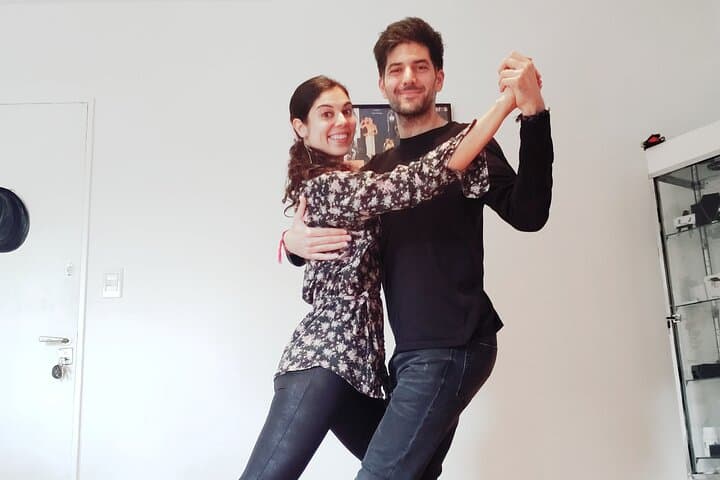
The room smells faintly of wood polish and espresso; a radio hums an old bandoneón riff as two bodies find the invisible line between lead and follow. In this private 90‑minute class in Buenos Aires, students step into the city's pulse — learning fundamental tango steps, connection techniques, and the posture that gives the dance its characteristic tension and release.
The room smells faintly of wood polish and espresso; a radio hums an old bandoneón riff as two bodies find the invisible line between lead and follow. In this private 90‑minute class in Buenos Aires, students step into the city's pulse — learning fundamental tango steps, connection techniques, and the posture that gives the dance its characteristic tension and release.
Tango grew in the late 19th and early 20th centuries along the Río de la Plata, born of immigrant neighborhoods and a collision of musical influences. UNESCO recognizes it as Intangible Cultural Heritage, and that history informs the way instructors teach: technique is practical, but stories and etiquette come with each step. The nearby neighborhoods — San Telmo and Abasto — still host milongas and small salons where local culture is lived nightly.
After the lesson, choose a mate ceremony or a tasting of Argentine wine and local treats. Mate is social glue in Argentina; sharing it introduces rhythm and ritual as much as flavor. The host may also offer a short look at handcrafted tango jewelry — a local, tangible link to the art form.
Practical guidance: wear comfortable shoes with a heel no higher than one inch for balance, arrive 10–15 minutes early, and communicate any mobility concerns. If you plan to photograph, ask permission; many studios prefer focus over flashes. Public transit and taxis serve central meeting points well. This session is beginner‑friendly but rewards attention to subtle weight changes — the tiny shifts that make tango feel alive.